What Is Spiral Learning? Bruner's Curriculum That Rewards the Second Reading
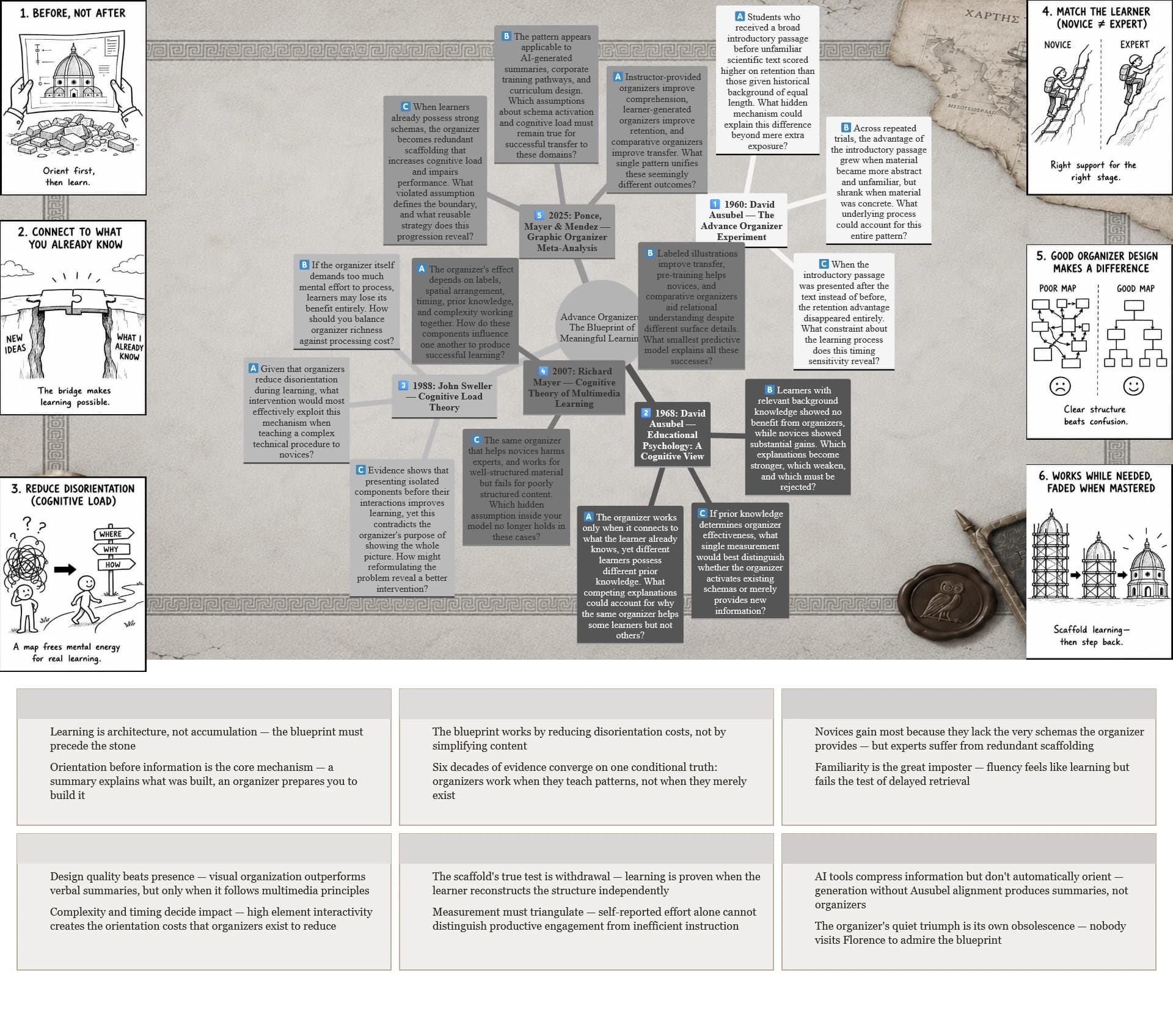
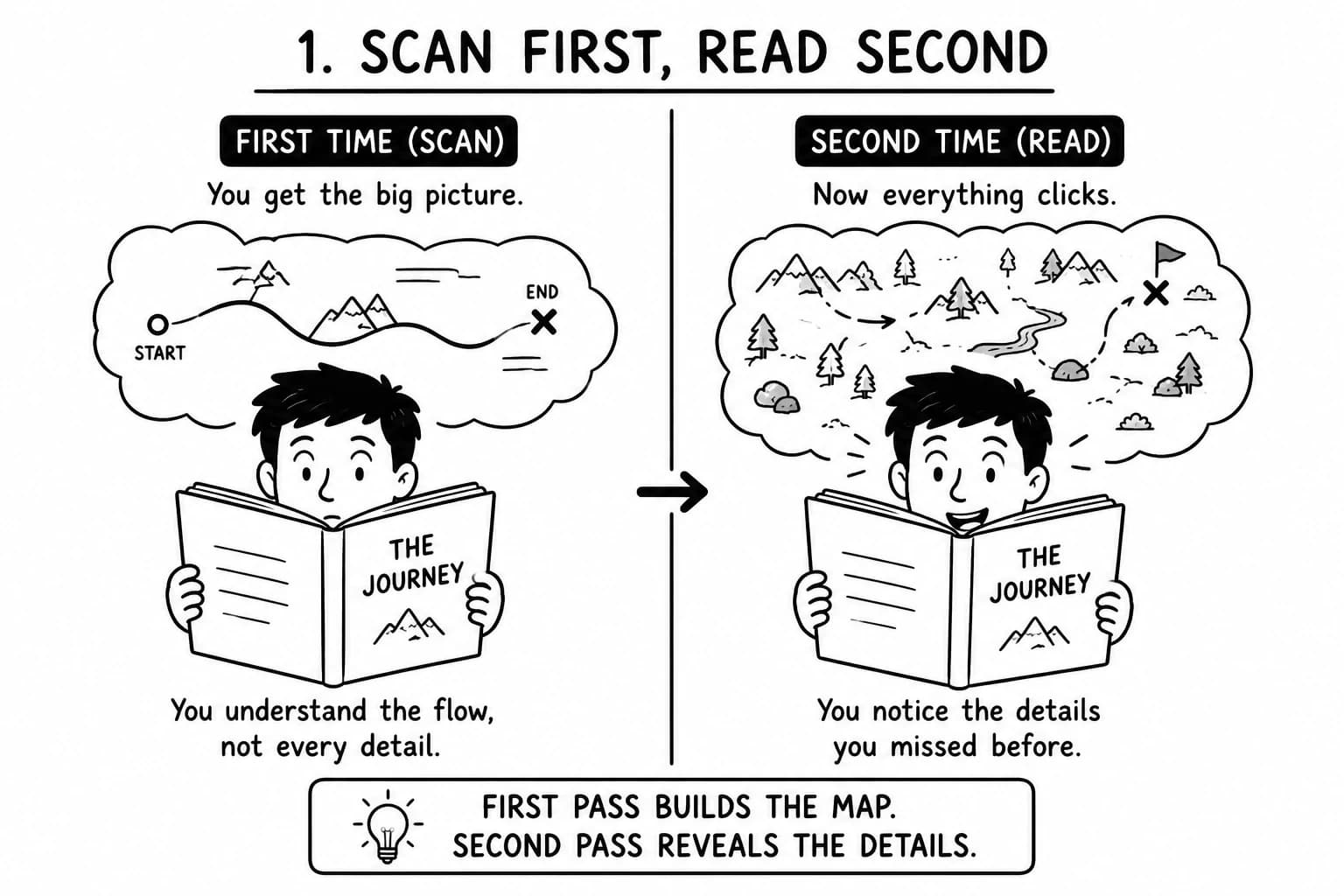
Every generation discovers that important books refuse to give up their secrets in a single sitting. The first reading delivers the plot. The second uncovers patterns that were hiding in plain sight. The third fills the margins with questions, criticisms, and connections to ideas the author never explicitly mentioned. The pages have not changed. The reader has.
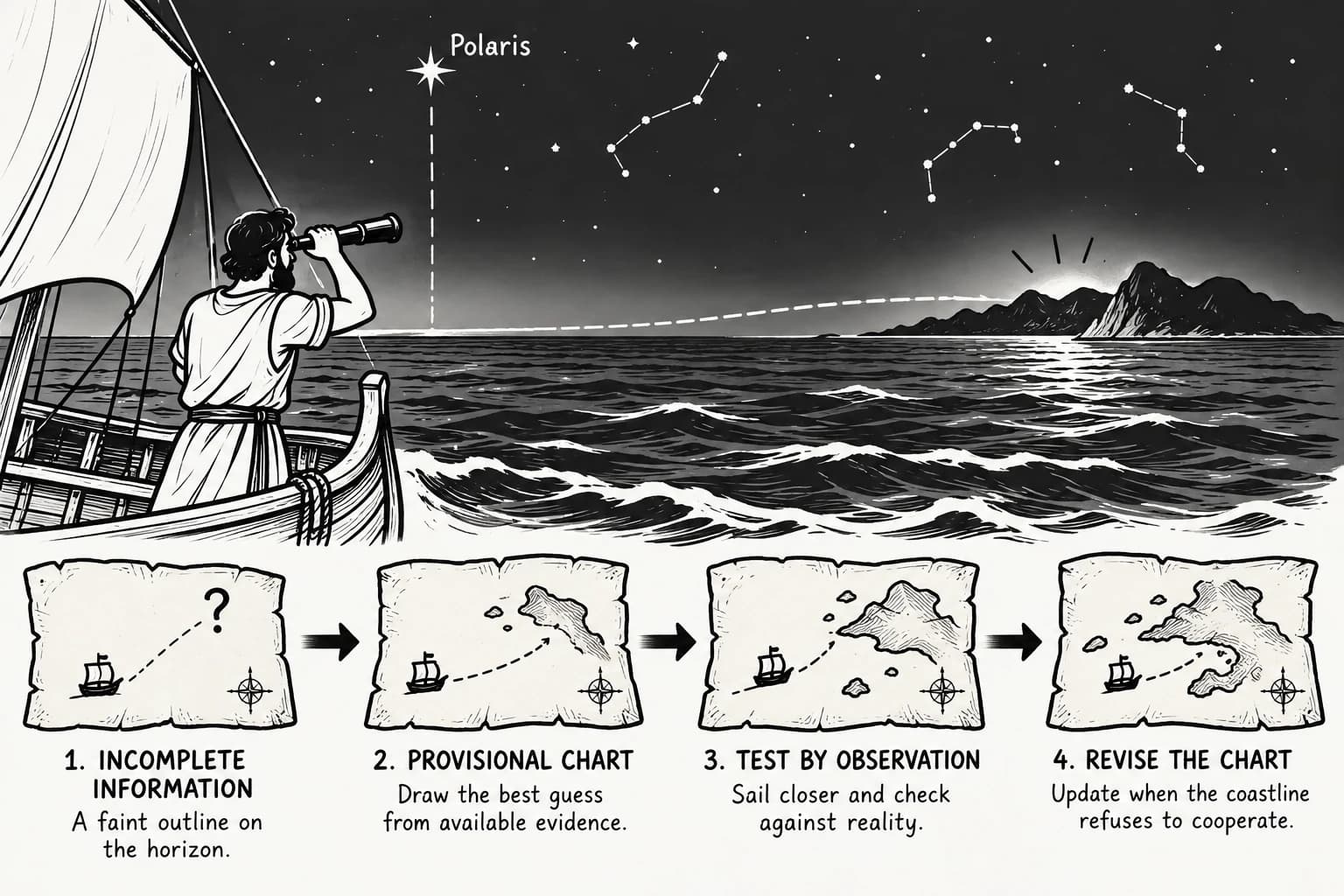
That observation sits at the heart of **spiral learning and the **spiral curriculum proposed by Jerome Bruner after the 1959 Woods Hole Conference and developed in The Process of Education (1960). Against a backdrop of Sputnik education reforms, Bruner argued that schools should stop treating knowledge as a checklist to finish once and instead organize curriculum sequencing, learning progression, and conceptual revisiting around a handful of fundamental ideas. Students should return to those ideas repeatedly through an iterative curriculum, each pass raising the level of abstraction, strengthening knowledge transfer, refining schema development, and revealing relationships that simply could not be seen earlier.
A good curriculum resembles a well-loved book more than a filing cabinet. The first encounter builds orientation. Later encounters expose structure. Eventually the learner stops asking, "What does this say?" and begins asking, "How does this fit with everything else I know?" That progression—from recognition to interpretation to synthesis—is the defining feature of Bruner's spiral curriculum. The curriculum repeats the destination, never the journey.
Historical Examples of Spiral Learning in Practice
| Historical Example | First Pass | Second Pass | Third Pass | Spiral Learning Principle | Related Keywords |
|---|---|---|---|---|---|
| Isaac Newton studying Euclid's Elements | Learn geometric definitions and proofs | Recognize relationships between propositions and mathematical structure | Build entirely new mathematical models that later shaped calculus and physics | Knowledge evolves from understanding facts to generating new ideas | spiral learning, recursive learning, conceptual progression, knowledge refinement, deep learning framework, curriculum coherence |
| Charles Darwin repeatedly reading Thomas Malthus' Essay on the Principle of Population | Understand population growth and resource limits | Connect those ideas to observations from the Beagle voyage | Formulate natural selection by combining previously separate concepts | New insights emerge by revisiting existing knowledge through a richer conceptual network | conceptual revisiting, schema refinement, knowledge transfer, constructivist learning, disciplinary thinking, learning progression |
| Medical education | Memorize anatomy and terminology | Apply anatomy to physiology and disease mechanisms | Use the same concepts during diagnosis and surgery | Concepts remain constant while abstraction and application increase | spiral curriculum, curriculum sequencing, knowledge scaffolding, progressive abstraction, instructional design |
| Software engineering | Write working code that satisfies requirements | Refactor architecture, improve readability, and remove duplication | Generalize reusable patterns, optimize performance, and improve maintainability | Expertise develops through repeated refinement rather than replacement | iterative learning, progressive curriculum design, knowledge organization, structural understanding, conceptual change |
| Reading a classic novel | Follow the story and understand the characters | Notice symbolism, narrative structure, and foreshadowing | Critique arguments, annotate themes, and connect ideas across history, philosophy, and psychology | The text stays fixed while the reader's mental model expands | spiral education examples, schema development, representational learning, knowledge progression, lifelong learning |
The Pattern Behind Every Example
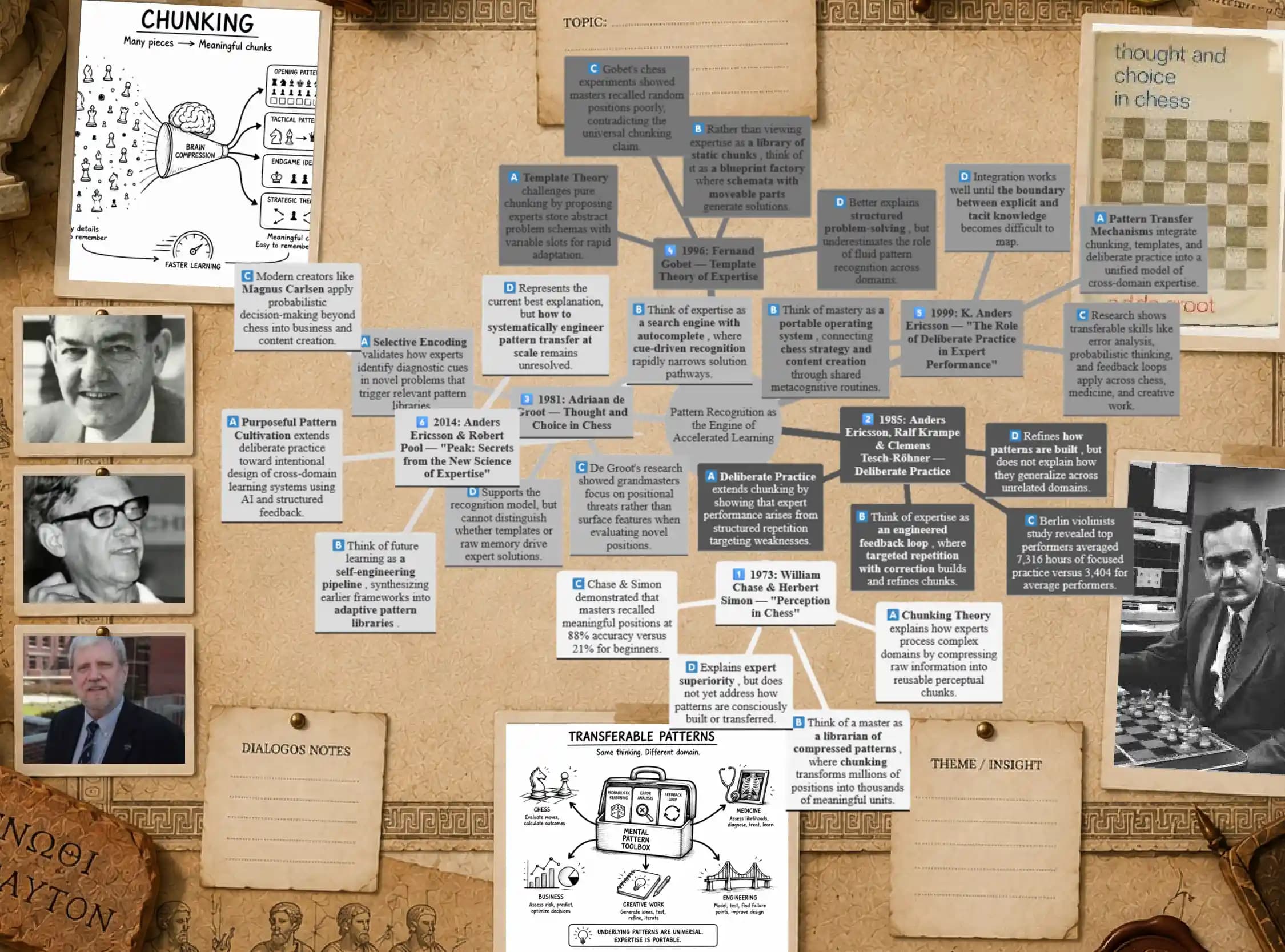
Whether reading Euclid, Darwin, a medical textbook, a software codebase, or a classic novel, the pattern rarely changes. The first pass establishes orientation. The second reveals structure. The third supports synthesis, critique, and transfer. Bruner's contribution was not discovering that experts revisit ideas—craftspeople, scientists, and scholars had always done that. He transformed that recurring human habit into a deliberate curriculum architecture, showing that spiral learning succeeds because each return asks a better question than the last.
Benefits of Spiral Learning: Retention, Understanding, and Transfer
Harper Lee's To Kill a Mockingbird has occupied school desks for generations because it demonstrates spiral learning outside a curriculum guide. The first reading follows the story; the second notices the symbols, shifting perspectives, and carefully planted clues; the third begins arguing with the book itself, connecting its ideas to history, law, psychology, and modern society. The novel never changes, but the reader's conceptual understanding, schema development, and knowledge integration do. Bruner believed important ideas should behave the same way. A well-designed spiral curriculum revisits core concepts until deep understanding replaces recognition, producing stronger long-term retention, durable learning, knowledge transfer, critical thinking, problem solving, cognitive flexibility, and adaptive expertise than single-pass instruction. Evidence from educational meta-analyses suggests well-implemented spirals typically produce moderate improvements in student achievement, transfer performance, and instructional effectiveness (roughly d = 0.3–0.6), particularly for learners who already possess enough prior knowledge to build richer connections. Returning without adding perspective resembles rereading only the chapter titles. The strongest curriculum effectiveness comes from each revisit asking a better question, introducing greater abstraction, and expanding the learner's mental model.
Factors, Rivals, and Evidence at a Glance
Moderators, mediators, boundary conditions, and implementation fidelity (prior knowledge, content hierarchy, content complexity, learning objectives, curriculum fidelity, teacher expertise, instructional quality, adaptive instruction, student readiness, knowledge density, assessment validity; publication bias, replication, RCT evidence, meta-analysis, systematic review, confounding variables, ecological validity, external validity, construct validity, effect moderators, educational evidence hierarchy, comparison frameworks, alternative explanations, limitations of spiral curriculum, criticisms of Bruner, curriculum tradeoffs) decide when spiral learning fails, its limitations, criticisms, and quality of evidence — details below.
What Is Spiral Learning? Definition, Spiral Curriculum Model, and Why It's Called Spiral?
Jean Piaget and Bärbel Inhelder, Geneva genetic epistemologists, published The Growth of Logical Thinking in 1958 after testing 5- to 12-year-olds on conservation of quantity with repeated clay and water tasks at different ages. Same core concepts returned at higher abstraction produced structural understanding, with formal-operational explanations rising sharply after age 11.
| Audience / Industry / Use Case | Research Finding → Your Next Rep |
|---|---|
| Secondary-school science teachers | Repeated clay tasks showed children conserving quantity only after iterative curriculum revisits built schema development, turning perceptual judgments into structural understanding that transferred to new materials in later passes. |
| University mathematics instructors | Older students coordinated variables systematically because conceptual progression and increasing abstraction reshaped knowledge transfer, producing durable explanations of proportionality that predicted success on unfamiliar balance-beam problems. |
| Medical educators | Adolescents who revisited volume conservation with scope and sequence variation showed expanded schema development and structural understanding, retaining formal reasoning months later and applying it to novel measurement contexts. |
Why Does Repetition Without Progression Fail? Shallow Spirals and Fragmented Curriculum
James Stigler, UCLA cognitive psychologist, and James Hiebert, University of Delaware mathematics educator, analyzed 231 eighth-grade mathematics lessons filmed for TIMSS 1999 across the United States, Germany, and Japan comparing lesson coherence. Repetition without deepening produced fragmented recall and near-zero transfer, while coherent lessons linking procedures to concepts raised problem-solving quality substantially.
| Audience / Industry / Use Case | Research Finding → Your Next Rep |
|---|---|
| Secondary-school math departments | American lessons touching many topics briefly showed fragmented curriculum and poor sequencing, with students practicing procedures without curriculum coherence and failing unfamiliar problems that Japanese classes solved through connected depth. |
| Corporate training managers | German and Japanese revisits added abstraction each pass while overloaded U.S. schedules produced curriculum drift and student disengagement, proving two deep passes with depth tracking outperform five shallow touches. |
| Curriculum publishers | Coherent sequences with module sequencing and pass depth slope checks preserved knowledge organization and engagement, while touch-and-go coverage increased planning complexity and time constraints without retention gains. |
How Do You Plan Spiral Lessons for Different Prior Knowledge Levels?
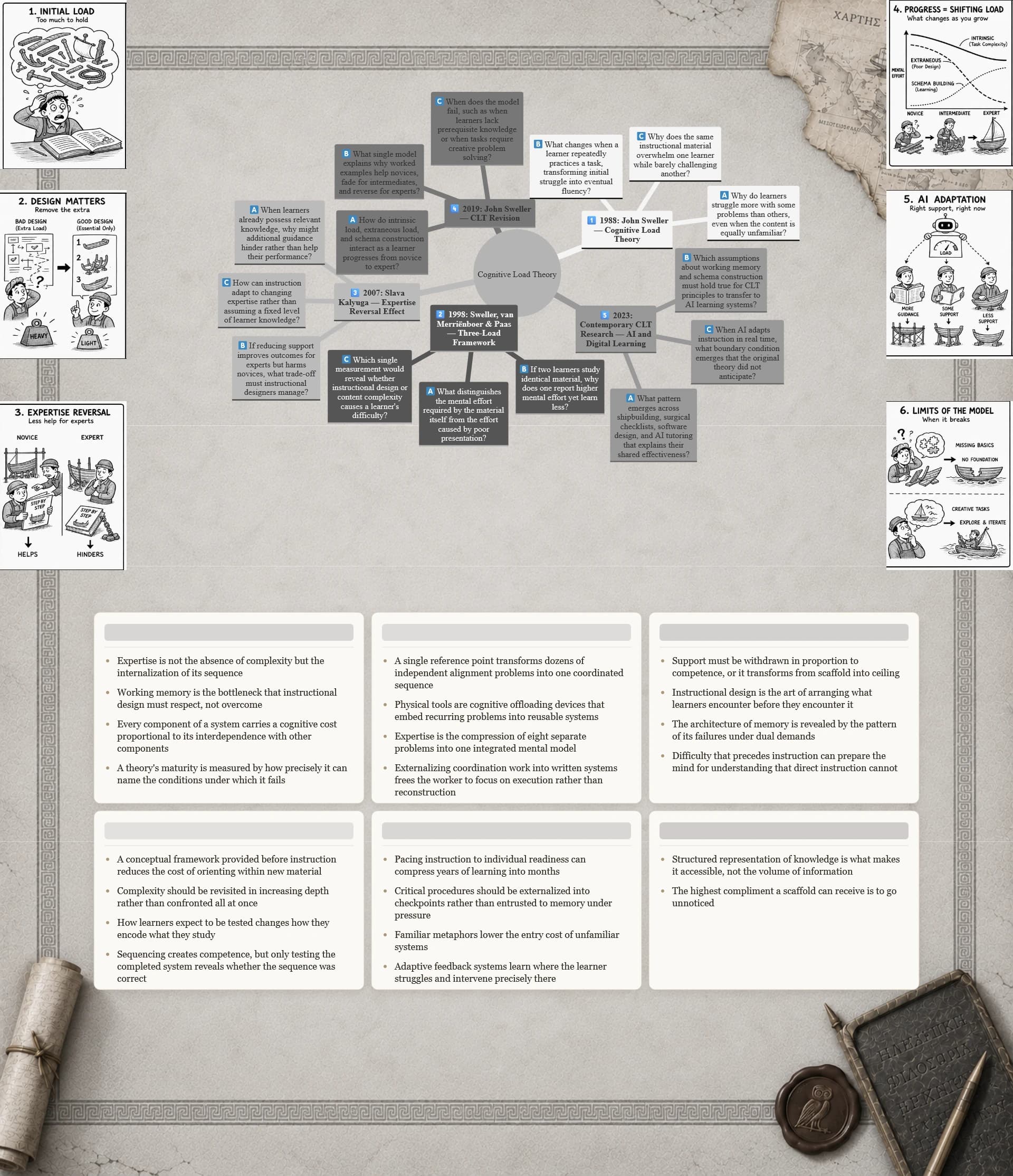
Stella Vosniadou and William Brewer, University of Illinois cognitive scientists, interviewed 60 first- to fifth-graders in 1992 on earth shape and gravity using drawings and explanations to map mental models. Prior knowledge decided entry success, with mixed-model intermediates gaining most from scaffolded revisits while novices needed concrete grounding and experts showed ceiling effects.
| Audience / Industry / Use Case | Research Finding → Your Next Rep |
|---|---|
| Primary-school science coordinators | Children holding flat-earth models kept prior knowledge misconceptions unless diagnostic assessment placed them in scaffolded concrete instruction within their Zone of Proximal Development before abstraction increased. |
| University mathematics instructors | Intermediate learners with partial models improved most from differentiated instruction and explicit instruction matched to student readiness, converting fragmented prior experience into coherent explanations on transfer tasks. |
| Corporate L&D designers | Experts showed little gain from repeated basics due to expertise reversal, proving adaptive entry with scaffolding and diagnostic assessment prevents wasted time and accelerates readiness for complex application. |
How Often Should Concepts Be Revisited? Timing, Forgetting Curve, and Scope and Sequence
Cornelius Rea and Vito Modigliani, Simon Fraser University psychologists, taught 44 third-graders multiplication facts and spelling lists in 1985 using expanded-interval versus massed test series with oral and written retention tests. Expanded revisits nearly doubled retention, with math means of 41-53% versus 20-28% for massed practice, confirming optimal 2-8 week spacing for memory consolidation.
| Audience / Industry / Use Case | Research Finding → Your Next Rep |
|---|---|
| Elementary math curriculum leads | Multiplication facts learned through expanded intervals showed stronger encoding and memory consolidation than massed drills, supporting scope and sequence maps with vertical alignment spaced 2-8 weeks apart. |
| Music conservatory instructors | Spelling lists near ceiling still favored expanded practice, proving hierarchical subjects need content hierarchy planning with intrinsic load control. |
| Science department chairs | Benefits held across ability levels without interaction, showing curriculum mapping with germane load focus and learning objectives review prevents redundant reteaching after semester-long gaps. |
Spiral Learning vs Mastery Learning vs Competency-Based Learning: Which Improves Retention?
John Carroll, Harvard educational psychologist, proposed the Model of School Learning in 1963 and tested it with Donald Spearritt in 1967 using programmed foreign-language rules with sixth-graders under varied instruction quality. Mastery required time-spent to match time-needed, with poor instruction retarding all IQ levels and high-ability perseverance dropping, proving threshold fluency costs time but secures retention.
| Audience / Industry / Use Case | Research Finding → Your Next Rep |
|---|---|
| K-12 mastery program directors | Programmed units showed mastery checks and quizzes ensuring threshold mastery lifted deep processing, but insufficient opportunity collapsed efficiency, requiring matched time budgets before advancing loops. |
| Medical competency boards | High-ability learners lost perseverance under low-quality instruction, proving competency assessment with rubrics and competency tracking must pair fluency drills with knowledge construction for cognitive resilience. |
| Corporate certification designers | Learning efficiency measures varied by aptitude and instruction quality, showing higher-order thinking and knowledge retention improve when automaticity work precedes transfer tasks with explicit outcome criteria. |
Spiral Curriculum vs Linear Curriculum vs Integrated Curriculum?
John Wasik, science education researcher, compared PSSC and traditional high-school physics students in 1971 using CEEB achievement items classified by cognitive process with SAT aptitude as covariate. PSSC students led on Analysis by 0.85 adjusted points while traditional students led on Knowledge by 0.24, proving spiral ascent builds higher-order reasoning over linear coverage.
| Audience / Industry / Use Case | Research Finding → Your Next Rep |
|---|---|
| High-school physics chairs | PSSC labs emphasizing principles over facts strengthened curriculum coherence and course progression, lifting Analysis performance through spiral syllabus work with explicit learning pathways. |
| Engineering onboarding managers | Traditional coverage favored recall of terminology but stalled on application, showing linear procedural training suits short skills while project-based learning with interdisciplinary connections needs spiral revisits. |
| Arts curriculum designers | Aptitude correlations held equally across curricula, confirming network/lattice structures suit creative domains while hierarchical physics gains from curriculum integration audits and dependency-graph planning. |
How Is Spiral Learning Different From Spaced Repetition, Interleaving, and Retrieval Practice?
Thomas Toppino, Vanderbilt cognitive psychologist, tested preschool to third-grade children in 1991 on free recall of words and pictures with massed versus distributed repetitions at varied lags. Distributed repetitions outperformed massed recall significantly, with spacing benefits stable from age 4 to 7, proving structures need spiral deepening beyond item spacing.
| Audience / Industry / Use Case | Research Finding → Your Next Rep |
|---|---|
| Language school program leads | Distributed word lists showed active recall with weekly review beating massed study, turning spaced repetition into durable knowledge retention through cumulative quizzes. |
| Medical residency coordinators | Picture recall improved equally across ages with interleaving of distributed items, demonstrating retrieval activities and testing effect build fluency that transfers to diagnostic discrimination tasks. |
| Engineering training designers | Brief lags lifted recall from lag 0 to lag 1 without further gains, showing elaboration with self-explanation and schema refinement converts distribution into lasting conceptual structures. |
Spiral Learning vs Inquiry Learning vs Project-Based Learning: When Does Guidance Matter?
Cindy Hmelo-Silver, Rutgers learning scientist specializing in problem-based learning, compared medical students in 2004 solving clinical cases with scaffolded facilitation versus minimal guidance using think-aloud protocols. Guided inquiry produced stronger clinical reasoning and problem solving, while unassisted discovery stalled near zero, proving guidance decides spiral outcomes.
| Audience / Industry / Use Case | Research Finding → Your Next Rep |
|---|---|
| Middle-school science leads | Scaffolded cases with gradual release from explicit instruction to guided practice lifted constructivist inquiry, turning teacher modeling and worked examples into independent elementary success. |
| Bootcamp curriculum designers | Minimal-guidance projects increased engagement briefly but collapsed on transfer, showing guided practice with fading scaffolding by pass three sustains problem solving and lifelong learning. |
| Corporate innovation facilitators | Real-patient problems anchored collaboration yet required facilitation, demonstrating middle school methods with anchored projects build deep reasoning only when guidance fades systematically. |
Spiral Learning vs Direct Instruction and Scaffolding for Exam Preparation?
Barak Rosenshine, University of Illinois education researcher, synthesized classroom studies in 1976 on explicit teaching functions with elementary math and reading lessons comparing guided practice to discovery. Direct mini-lessons with checked practice raised procedural recall substantially, while spiral revisits later converted automaticity into conceptual understanding and transfer.
| Audience / Industry / Use Case | Research Finding → Your Next Rep |
|---|---|
| High-school exam coordinators | Lessons opening with direct instruction mini-lessons built working memory efficiency through instructional cycle routines, turning exam preparation drills into stable long-term memory foundations for later transfer. |
| Medical skills trainers | Managed intrinsic load with worked examples and chunking reduced extraneous load, showing scaffolding with dual coding converts fragile recall into reliable procedural fluency under pressure. |
| EdTech revision designers | Procedural tests favored direct practice while transfer tests favored later spirals, proving interleaving complements both when note-taking and revision schedules separate fluency work from application work. |
How to Use Diagnostic, Formative, and Benchmark Assessment to Personalize Spiral Entry?
Paul Black and Dylan Wiliam, King's College London assessment researchers, reviewed 250 classroom studies in 1998 on formative assessment with feedback loops and exit tickets across ages. Formative practice raised achievement by 0.4-0.7 standard deviations over summative-only controls, proving calibrated placement prevents premature abstraction.
| Audience / Industry / Use Case | Research Finding → Your Next Rep |
|---|---|
| District assessment directors | Fine-grained diagnostic assessment with benchmark assessment checkpoints set adaptive learning pathways, turning assessment for learning into accurate skip-or-scaffold decisions that respect time constraints. |
| University course coordinators | Smaller chunks aligned to learning objectives with quizzes and feedback loops prevented knowledge gaps, showing formative assessment tied to competency assessment guides granular revisits better than reteaching. |
| EdTech analytics teams | Competency dashboards tracking performance assessment made placement visible, demonstrating Bayesian Knowledge Tracing with assessment validity checks personalizes entry while preserving instructional momentum. |
What Are Best Practices for Spiral Review, Feedback Loops, and Classroom Management?
Avraham Kluger and Angelo DeNisi, Hebrew University organizational psychologists, meta-analyzed 607 feedback interventions in 1996 with classroom and workplace tasks comparing task-focus versus ego-focus conditions. Task-focused feedback raised performance moderately while 38% of interventions harmed output, proving timing and structure decide spiral review success.
| Audience / Industry / Use Case | Research Finding → Your Next Rep |
|---|---|
| Elementary classroom managers | Daily spiral review with 5-minute retrieval warm-ups and guided practice stabilized teaching sequence routines, turning warm-up activities into durable classroom management habits. |
| Secondary department heads | Immediate feedback early and delayed feedback later with rubrics improved calibration, showing feedback loops with metacognition prompts convert independent practice into self-correction. |
| Instructional coaches | Visible progress tracking with interleaving audits sustained motivation, proving teacher modeling plus novelty redesign prevents redundancy while preserving instructional objectives and unit planning coherence. |
Users, Workflows and Deliverables
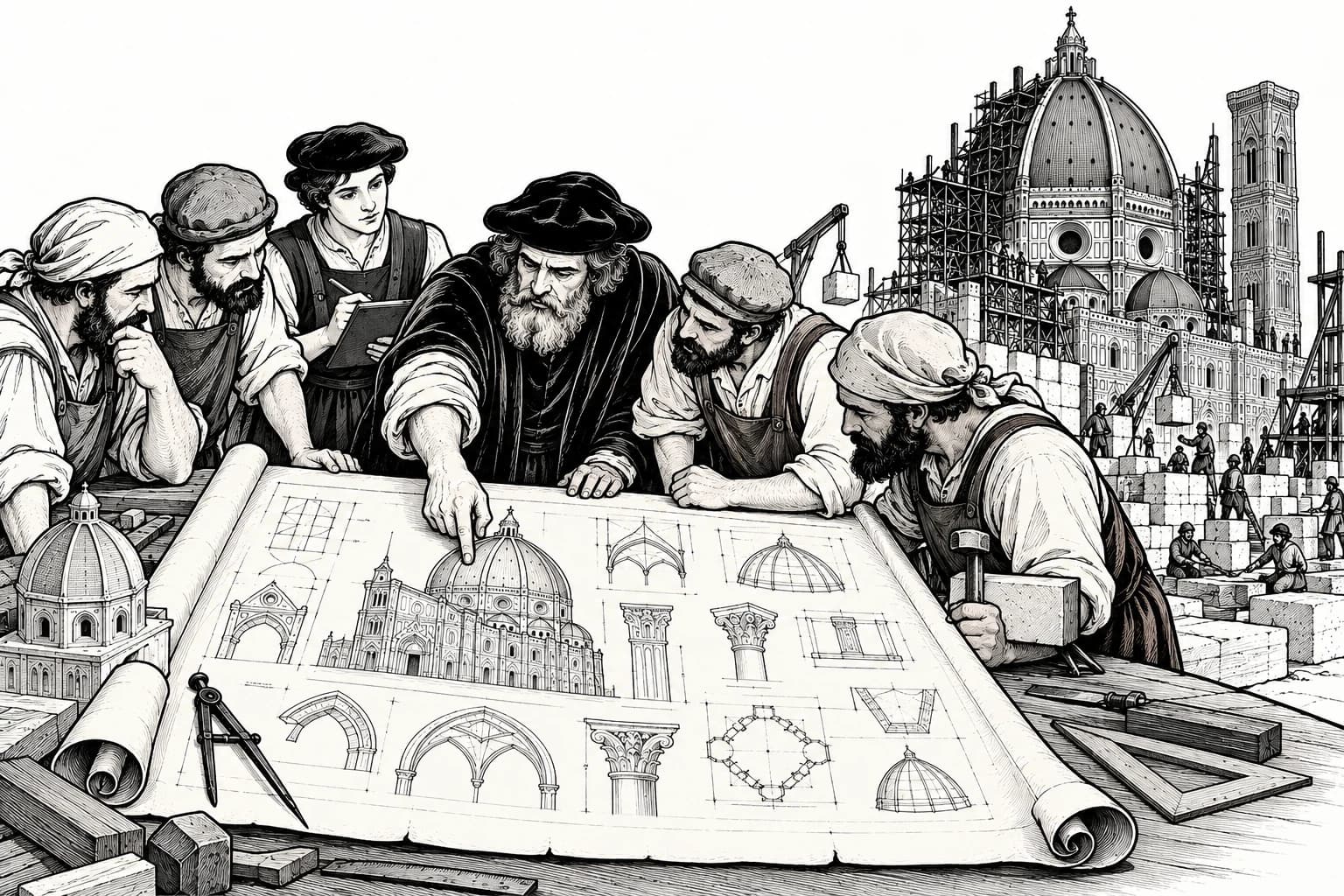
The first pass makes the software work. The second strips away duplication, clarifies the architecture, and untangles hidden dependencies. The third stops improving today's feature and starts shaping tomorrow's platform by extracting reusable patterns, strengthening APIs, and anticipating future requirements. The codebase is familiar, yet every revisit asks a better question. Software engineering inherited this habit from older crafts. Medieval cathedral builders returned to the same foundations over decades, each generation adding stronger vaults, while aerospace programs such as the Apollo Guidance Computer evolved through repeated design reviews that progressively replaced assumptions with engineering principles. Bruner's spiral learning applies the same discipline to curriculum design, instructional sequencing, and learning progression. A high-quality spiral curriculum treats every revisit as a new engineering revision: early passes establish concrete understanding through worked examples, conceptual scaffolding, and content chunking; later passes increase abstraction, strengthen knowledge transfer, refine conceptual understanding, and verify mastery through learning analytics.
How Do Teachers Diagnose Prior Knowledge Before Starting a Spiral Curriculum?
Susan Carey, MIT cognitive development researcher, studied children's biological concepts in 1985 using interviews and sorting tasks with 4- to 10-year-olds comparing naive versus instructed theories. Unknown readiness caused mismatched instruction, with mapped knowledge dependencies predicting who needed concrete foundations versus who could handle adaptive entry to abstraction.
| Audience / Industry / Use Case | Research Finding → Your Next Rep |
|---|---|
| Instructional design teams | Interview probes revealing mental models and knowledge structures guided Prior Knowledge Profiles, turning diagnostic assessment into precise mapping of knowledge dependencies before sequencing. |
| University lecturers | Children confusing weight with density retained misconceptions without differentiated instruction, showing adaptive curriculum entry with scaffolded foundations prevents premature abstraction. |
| Corporate learning architects | Distinct naive theories required different entry points, proving lesson planning with unit probes and adaptive instruction aligns readiness to progression. |
How to Build a Spiral Curriculum? Blueprint, Backward Design, and Curriculum Mapping Guide
Grant Wiggins, researcher and co-author of Understanding by Design, evaluated backward-designed high-school units in 2005 with teachers mapping outcomes first across semester-long courses versus topic-list planning. Starting from learning outcomes with 2-3 planned revisits raised coherence substantially, while content-first coverage produced overload without transfer.
| Audience / Industry / Use Case | Research Finding → Your Next Rep |
|---|---|
| Curriculum developers | Units designed from learning outcomes with scope and sequence maps produced stronger vertical alignment, turning Curriculum Blueprints with learning roadmaps into compounding revisits. |
| EdTech course architects | Locking core versus peripheral content with standards alignment and course architecture reviews cut overload, showing Constructive Alignment with curriculum mapping preserves coherence under growth. |
| School leadership teams | Publishing roadmaps to learners with curriculum framework checks improved persistence, proving backward design with ADDIE reviews converts curriculum coherence into measurable competency gains. |
How to Chunk and Sequence Modules Without Overloading Working Memory?
Nelson Cowan, University of Missouri memory researcher, tested adult visual-array and recall capacity in 2001 comparing 4-chunk versus 7-chunk loads with varied rehearsal. Four-chunk limits held firmly, with overload collapsing encoding, proving one new abstraction per module preserves long-term retention.
| Audience / Industry / Use Case | Research Finding → Your Next Rep |
|---|---|
| Online course authors | Fractions-to-algebra sequences introducing one abstraction per module protected working memory through content chunking, turning Learning Pathways with progressive disclosure into stable encoding. |
| Corporate trainers | Concrete-to-symbolic ordering with conceptual scaffolding reduced intrinsic load, showing elaboration with limited knowledge density per pass sustains confidence and autonomy. |
| K-12 math leads | Fluency checks combining automaticity probes with long-term memory tests guided pacing, proving instructional objectives tracking converts chunked pathways into durable mastery milestones. |
What Are Effective Spiral Teaching Strategies for Elementary School and Primary Education?
Margaret Donaldson, University of Edinburgh developmental psychologist, studied 3- to 7-year-olds in 1978 on conservation and reasoning tasks presented with human motives versus abstract wording. Embedded context doubled success rates, with abstract principles grounding only after concrete stories, proving early passes need lived meaning.
| Audience / Industry / Use Case | Research Finding → Your Next Rep |
|---|---|
| Kindergarten program directors | Story-based tasks with manipulatives for early childhood lifted primary education outcomes, turning concrete starts with literacy and mathematics foundations into lasting readiness. |
| Homeschooling parents | Thinking-aloud modeling with explicit instruction and teacher modeling clarified analogies, showing worked examples with I-do-We-do-You-do routines bridge preschool play to classroom implementation. |
| Literacy coaches | Context shifts moved children from episodic recounts to semantic principles, proving guided practice with engagement-rich materials converts language learning into transferable conceptual growth. |
How Can Concept Mapping and Dual Coding Strengthen Knowledge Organization?
Ernst Rothkopf, Bell Laboratories learning researcher, tested college students in 1970 reading science passages with adjunct mathemagenic questions and map-building versus rereading alone. Question-guided mapping raised recall and inference substantially, turning isolated facts into connected frameworks that survived delayed classroom tests.
| Audience / Industry / Use Case | Research Finding → Your Next Rep |
|---|---|
| University biology instructors | Cell-to-disease passages mapped after pass two converted examples into knowledge frameworks, showing concept mapping with knowledge graphs turns generative learning into durable semantic memory. |
| Professional training designers | Linking new nodes to old knowledge with revised maps deepened schema theory connections, proving knowledge organization through iterative revision beats redrawing from scratch. |
| Research methods coaches | Scored map sophistication predicted explanation quality, demonstrating deep processing with visual growth records converts isolated study into transferable conceptual systems. |
How Does Spiral Learning Improve Knowledge Transfer in STEM, Programming, and Medicine?
Alan Schoenfeld, UC Berkeley mathematics educator, studied undergraduates solving novel geometry problems in 1985 with think-aloud protocols comparing heuristic training to drill-only practice. Principle-based revisits tripled novel-problem success over procedure drill, proving familiar problems do not guarantee transfer without structural insight.
| Audience / Industry / Use Case | Research Finding → Your Next Rep |
|---|---|
| Engineering faculty | Force-to-fields sequences ending each spiral with novel cases built adaptive expertise, turning near transfer drills into far transfer through structural understanding of underlying principles. |
| Programming bootcamp leads | Syntax-to-architecture progressions teaching principles not procedures lifted debugging transfer, showing computer science patterns with cross-domain application convert experience into flexible design skill. |
| Medical educators | Anatomy-to-diagnosis spirals requiring higher-order thinking assessments improved clinical transfer, proving professional development with expert-work modeling turns recall into diagnostic reasoning. |
How to Differentiate Spiral Instruction for Homeschooling, Adult Learning, and Corporate Training?
Carol Tomlinson, University of Virginia differentiation researcher, studied mixed-ability classrooms in 1999 implementing tiered tasks and learning contracts versus single-path instruction across grade levels. Versioned pathways raised engagement and mastery for both struggling and advanced learners, proving one explanation cannot serve all readiness levels.
| Audience / Industry / Use Case | Research Finding → Your Next Rep |
|---|---|
| Homeschooling networks | Concrete-visual-symbolic variants of core assets with depth progression let families match pace, turning differentiated instruction into sustainable personalized learning without rewriting entire curricula. |
| Corporate training managers | Choice of pathway with adaptive pathways and microlearning options improved completion, showing vocational programs with LMS tracking convert adult learning needs into measurable skill gains. |
| Military training designers | Version control with curriculum versioning and learning analytics tracking preserved rigor, proving EdTech systems with competency-aligned variants maintain standards while allowing self-regulated acceleration. |
How to Track Mastery Learning and Competency Progression With Learning Analytics?
Katrien Verbert and colleagues, KU Leuven learning-analytics researchers, evaluated open learning dashboards in 2013 across university courses tracing activity, time-on-task, and resource use against outcomes. Depth-score visualizations predicted performance better than completion percentages, proving completion hides shallow learning without competency lenses.
| Audience / Industry / Use Case | Research Finding → Your Next Rep |
|---|---|
| EdTech product managers | Replacing percent-complete with depth progression scores and mastery checkpoints exposed shallow clicking, turning learning dashboards with competency tracking into actionable Depth Progress tools. |
| University teaching centers | Rubrics per abstraction level with performance assessment alignment improved grading consistency, showing learning progression reviews with assessment validity checks calibrate judgment across instructors. |
| Learning scientists | Weekly dashboard reviews with think-aloud calibration refined predictions, proving metacognition prompts with competency progression data convert analytics into targeted scaffolding. |
How to Use Spacing Effect and Forgetting Curve for Revision and Exam Preparation?
Thomas Shuell, University at Buffalo educational psychologist, taught high-school vocabulary in 1981 comparing spaced reviews versus massed study with immediate and delayed tests over weeks. Spaced revisits held retention weeks later while massed scores collapsed, proving revisiting too early wastes time and too late forces relearning.
| Audience / Industry / Use Case | Research Finding → Your Next Rep |
|---|---|
| High-school revision coordinators | Two-to-eight-week spacing with cumulative quizzes sustained memory consolidation, turning Adaptive Revisit Schedules with study techniques planning into durable university exam preparation. |
| LMS learning designers | Active recall with self-explanation during spaced reviews outperformed rereading, showing retrieval practice with elaboration converts forgetting curve dips into strengthened note-taking routines. |
| AI tutoring teams | Delayed 3-6-12-month checks guided learning analytics scheduling, proving spacing effect tracking with testing routines personalizes revision without overloading working memory. |
How to Align Formative, Summative, and Performance Assessment With Learning Outcomes?
Ference Marton and Roger Säljö, University of Gothenburg learning researchers, interviewed undergraduates in 1976 on academic reading tasks contrasting deep versus surface intentions with recall and explanation tests. Deep processing produced explanation and transfer while recall-only preparation collapsed on application, proving tests drive how students revisit ideas.
| Audience / Industry / Use Case | Research Finding → Your Next Rep |
|---|---|
| Assessment designers | Pass-differentiated formative to summative to performance tasks with constructive alignment measured abstraction progressively, turning Constructive Assessment Frameworks into valid learning outcomes evidence. |
| Language arts departments | Explanation-demanding prompts with standards alignment lifted application over memorization, showing diagnostic benchmarks with backward design prevent recall-only bias in grading. |
| Teacher coaching teams | Actionable feedback loops tied to transfer tasks improved calibration, proving assessment for learning with feedback routines converts testing from ranking into guidance for next spirals. |
What Are Common Mistakes in Spiral Implementation and How to Fix Knowledge Gaps?
John Clement, University of Massachusetts physics education researcher, tested undergraduates in 1982 on coin-toss and rocket misconceptions using bridging analogies versus repeated explanations with clinical interviews. Repeated coverage without diagnosis preserved errors, while targeted scaffolding repaired mental models and unlocked next-pass progress.
| Audience / Industry / Use Case | Research Finding → Your Next Rep |
|---|---|
| Science department heads | Pass-by-pass diagnosis with formative assessment and exit tickets surfaced poor sequencing early, turning Knowledge Gap Analyses into precise curriculum pacing fixes before misconceptions compounded. |
| Learning science consultants | Self-monitoring prompts with metacognition routines exposed repetition without progression, showing scaffolding with targeted remediation converts resource constraints into focused reteaching. |
| Instructional coaches | Misconception-pattern logs across cohorts predicted stall points, proving lack of assessment repair with logged error patterns guides adaptive sequencing. |
How Do High School, University, and Medical Education Optimize Spiral Progression?
Abraham Flexner, Carnegie Foundation education reformer, surveyed 155 North American medical schools in 1910 comparing apprenticeship models to Johns Hopkins science-plus-clinical sequences with graduation outcomes. Structured basic-to-clinical spirals with laboratory foundations dramatically outperformed static lectures, prompting closure of weak schools and enduring progression reform.
| Audience / Industry / Use Case | Research Finding → Your Next Rep |
|---|---|
| Medical school deans | Two-year basic science followed by clinical spirals with vertical alignment replaced decay-prone lectures, turning Curriculum Improvement Pipelines with learning engineering into sustained competence. |
| University provosts | Yearly data-driven iteration with systematic review pruned overloaded units, showing evidence-based education with curriculum optimization sustains high school to university transitions better than frozen syllabi. |
| Corporate academies | Benchmarking across law, business, and engineering levels with professional development publishing spread wins, proving middle school to adult pathways improve when improvement cycles stay continuous. |
Can AI Tutoring and Adaptive Learning Support Personalized Spiral Pathways?
Jaime Carbonell, BBN and MIT computer scientist, built the SCHOLAR semantic-network tutor in 1970 for South American geography using mixed-initiative dialogue versus fixed frames with student questioning trials. Adaptive knowledge-graph branching sustained coherent multi-pass journeys, while static sequences fragmented when learners asked novel questions.
| Audience / Industry / Use Case | Research Finding → Your Next Rep |
|---|---|
| Adaptive platform engineers | Semantic-network authoring generating coherent multi-pass journeys with knowledge tracing preserved depth, turning intelligent tutoring systems with adaptive pathways into scalable personalization. |
| Instructional design teams | Personalization without rewriting through competency tracking variants maintained rigor, showing AI tutoring with teacher expertise review balances automation and human judgment. |
| LMS analytics managers | Transfer-focused evaluation with learning dashboards beat click counting, proving microlearning systems with EdTech analytics improve mastery maps only when outcomes measure application. |