







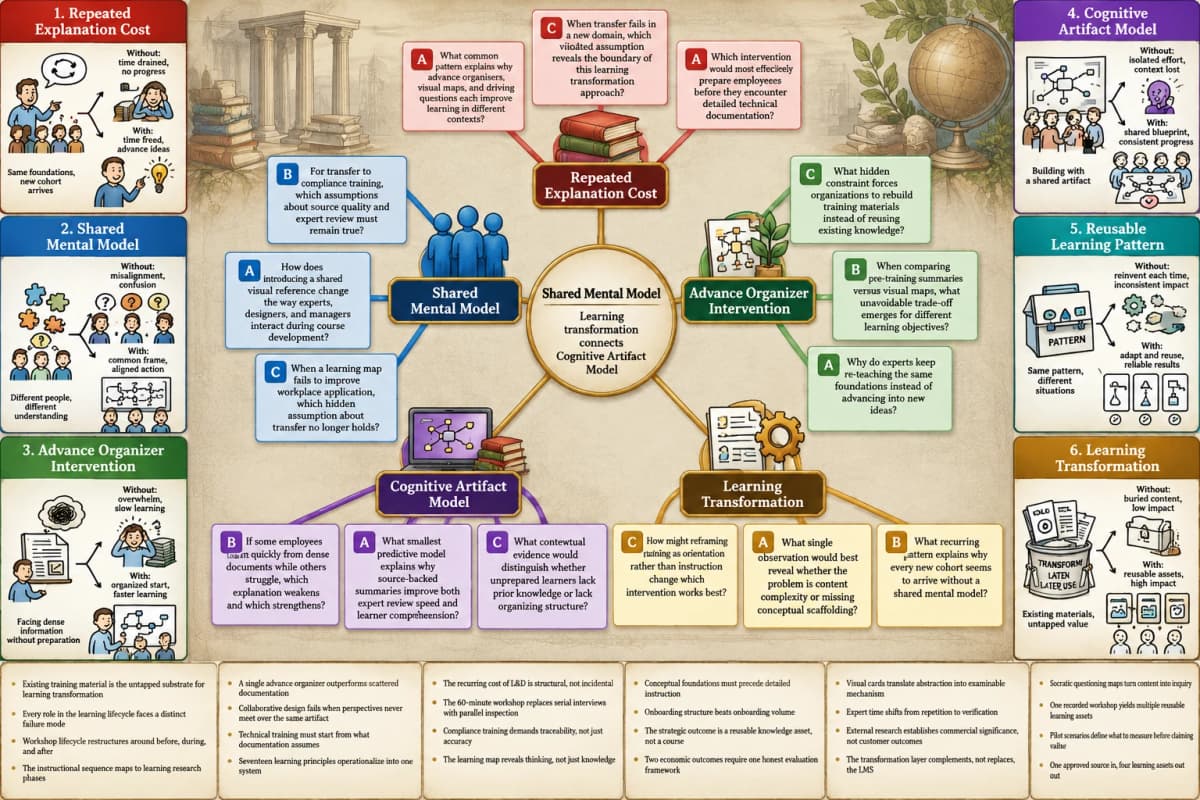
What If Every Question Made Your Mind Stronger?

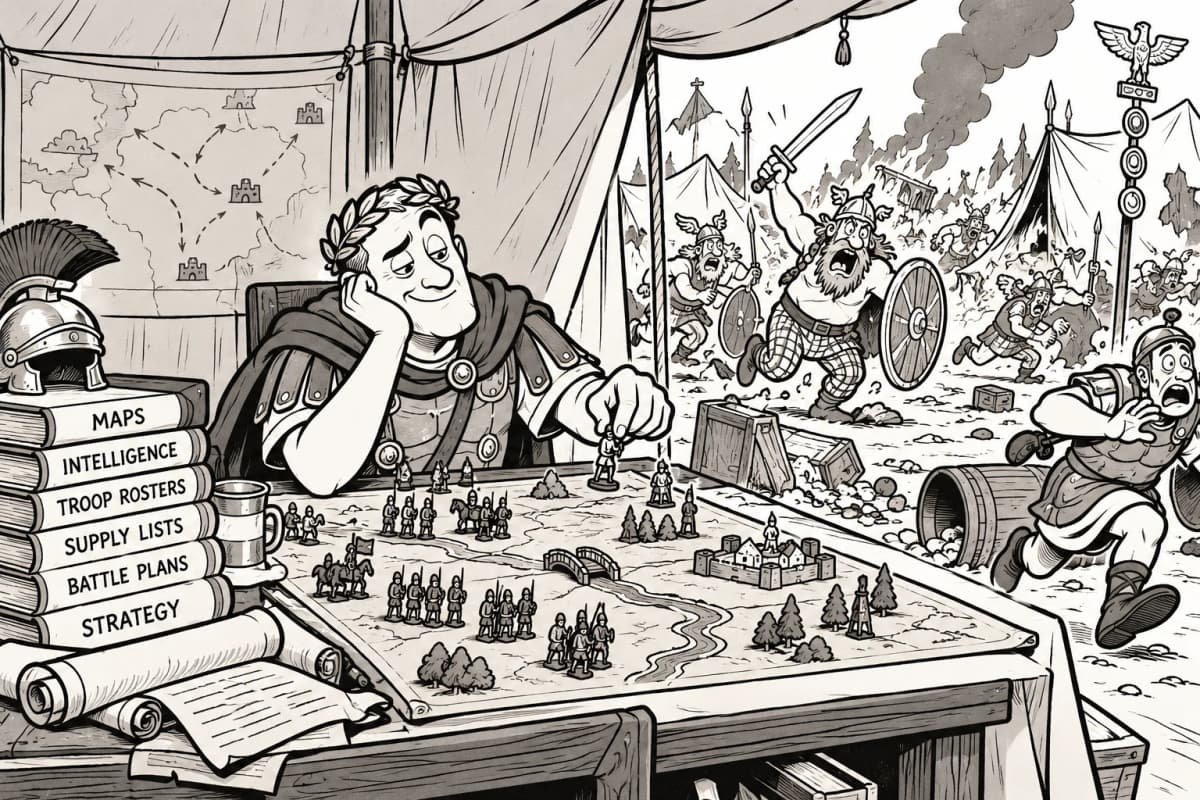
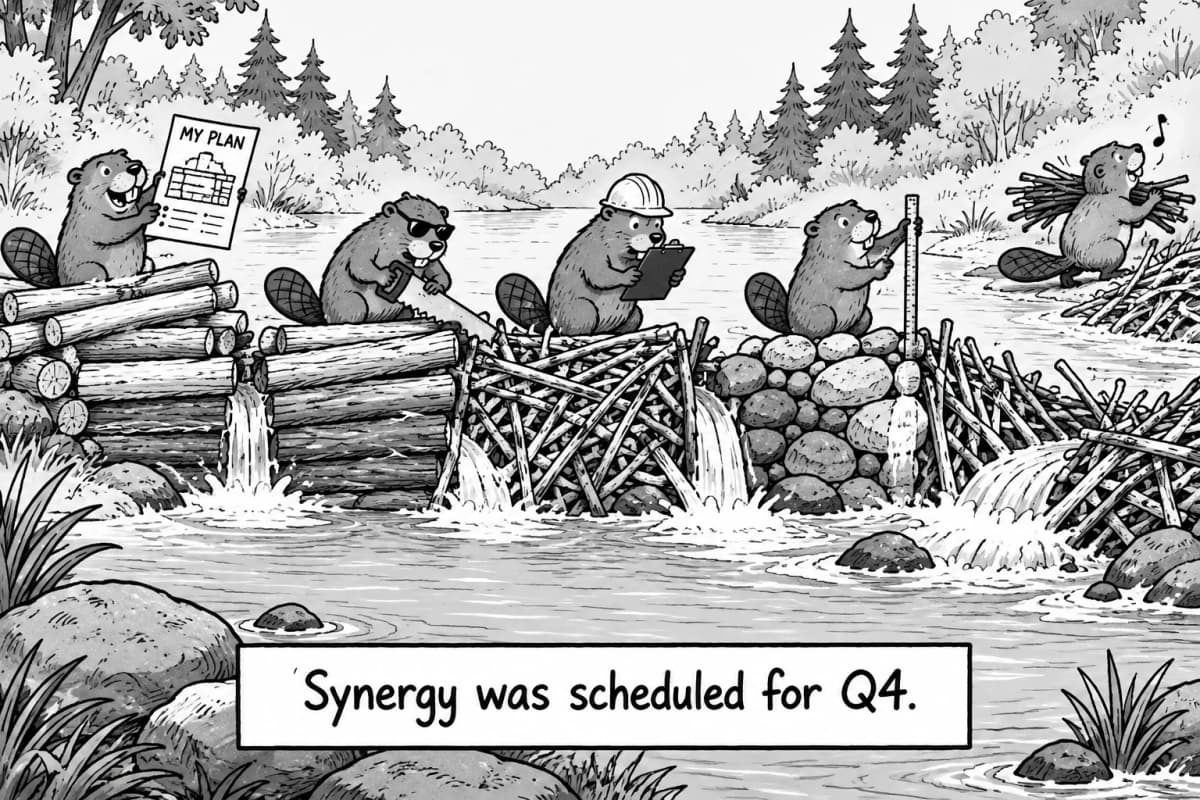
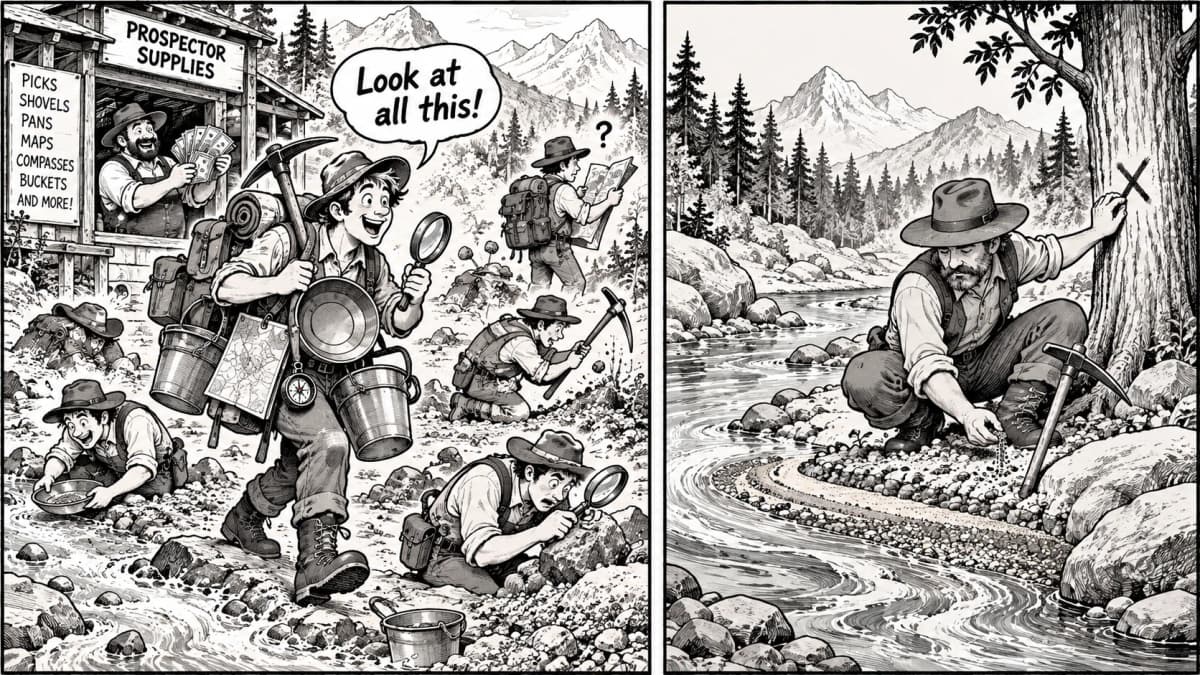
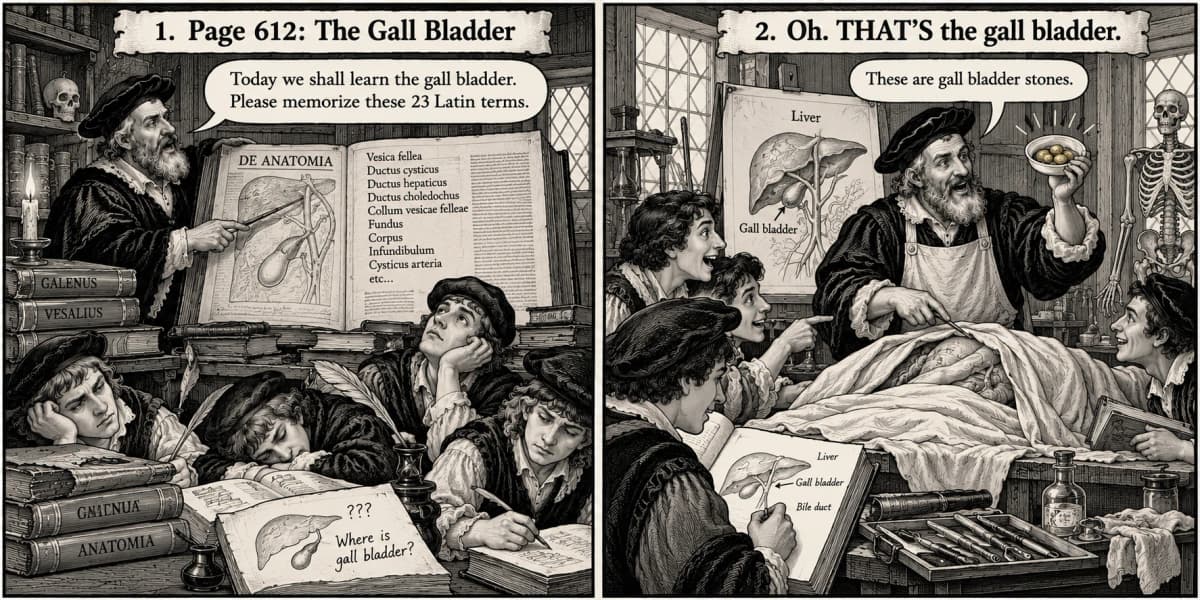
Doomscrolling
Spoonfeeding
Passive Consumption
Riley

Riley

Strategic Startup Advisor

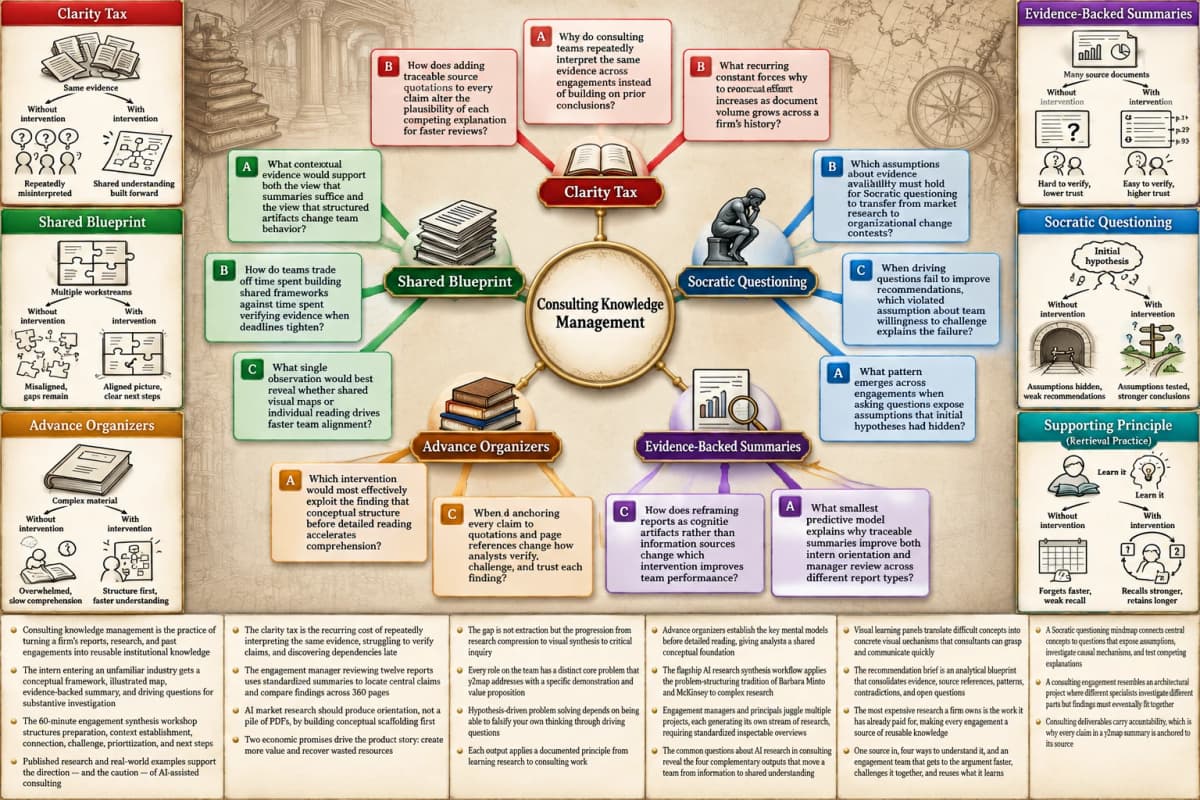
"How did you build that mind map It's gold! Man this is brilliant good job"

Rachit Magon

Rachit Magon

The AI Podcast

"Thats a very interesting mind map! Ive read the book long long back but this made me revisit it in 20 seconds"

"Spent way too much time looking at the mindmap!"

"This is brilliant. Going to be sharing this with our designers."

"This is pretty awesome. Just logged into your app to see how to do this myself!"

Riley

Riley

Strategic Startup Advisor

"How did you build that mind map It's gold! Man this is brilliant good job"

Rachit Magon

Rachit Magon

The AI Podcast

"Thats a very interesting mind map! Ive read the book long long back but this made me revisit it in 20 seconds"

"Spent way too much time looking at the mindmap!"

"This is brilliant. Going to be sharing this with our designers."

"This is pretty awesome. Just logged into your app to see how to do this myself!"

1
2
3
4
5
6
7
8
9
10
1
2
3
4
5
6
7
8
9
10

*Globally trusted. Occasionally revisited

Grow with Socratic Questioning

Interactive Mindmap

Your Shortcut to Learning and Retention

Before y2map
After y2map

I'm embarrassed to keep asking where everything is.

I ask insightful questions, contribute in team discussions and my manager assumes I've been here for months.

I spend half my day searching through documentation.

I become the person who always knows where the answer is.

I read the report but don't know what actually matters.

I spot opportunities, ask smarter strategic questions and contribute confidently in executive meetings.

USE CASES

Corporate Learning & Development: AI Training Maps | Y2Map

Prime learners for deeper workshop participation by combining multimedia learning, dual coding, and Socratic questioning to make complex concepts more accessible, cross domain transfer, and strengthen retention through active inquiry.
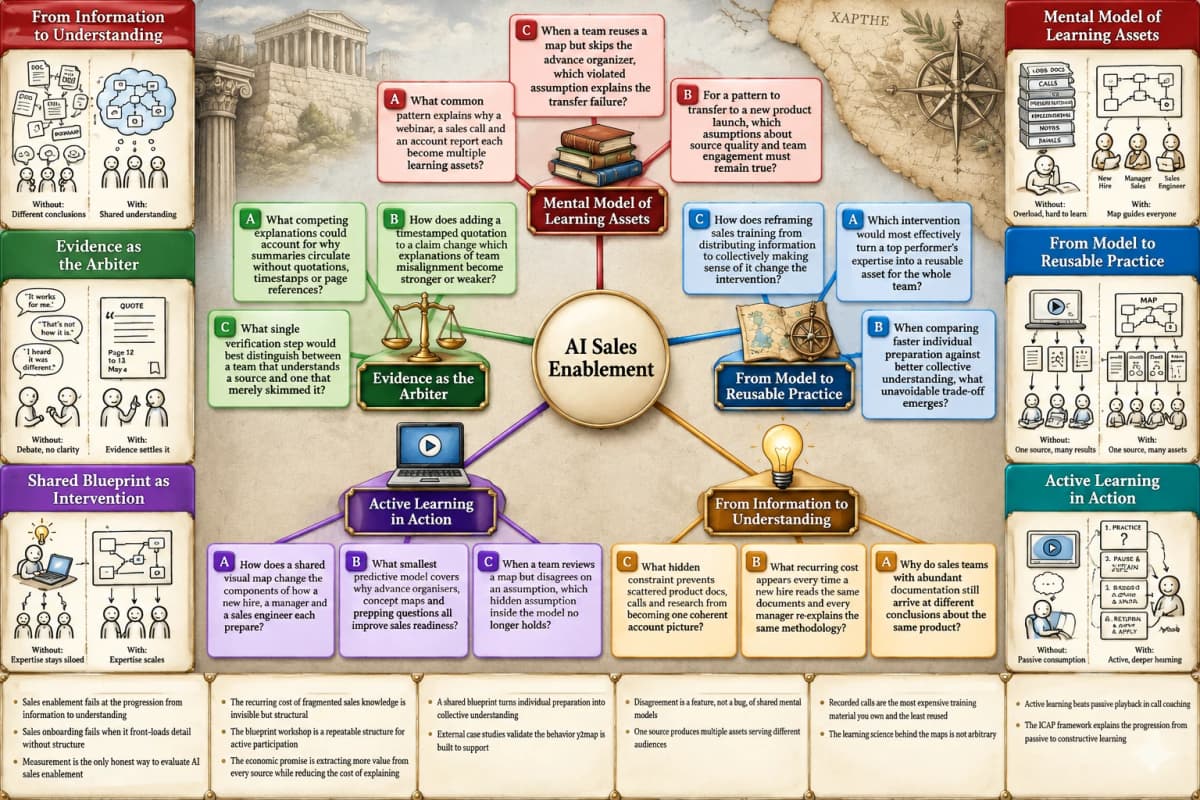
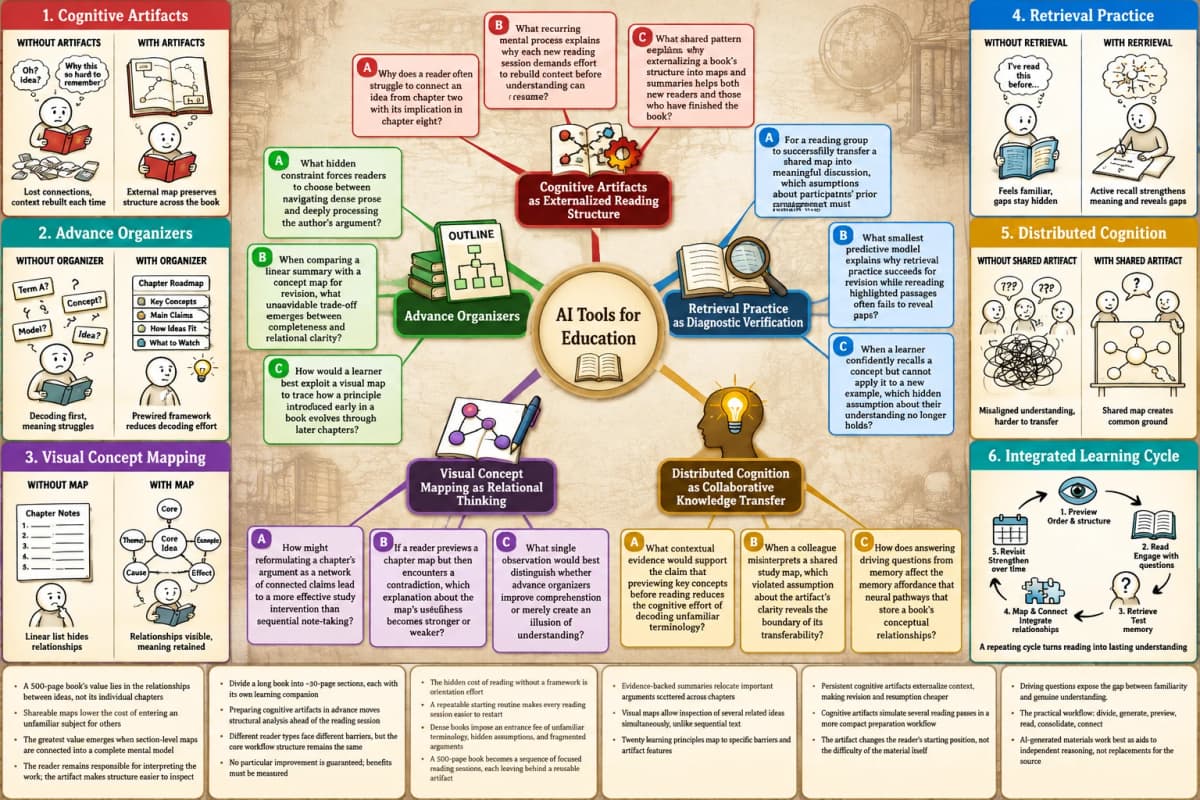
THE RESEARCH

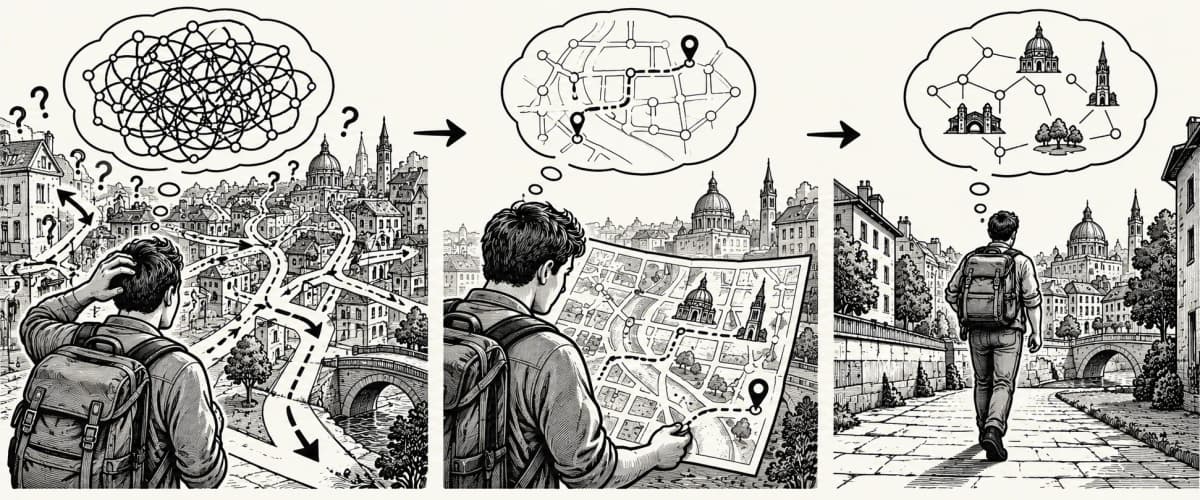
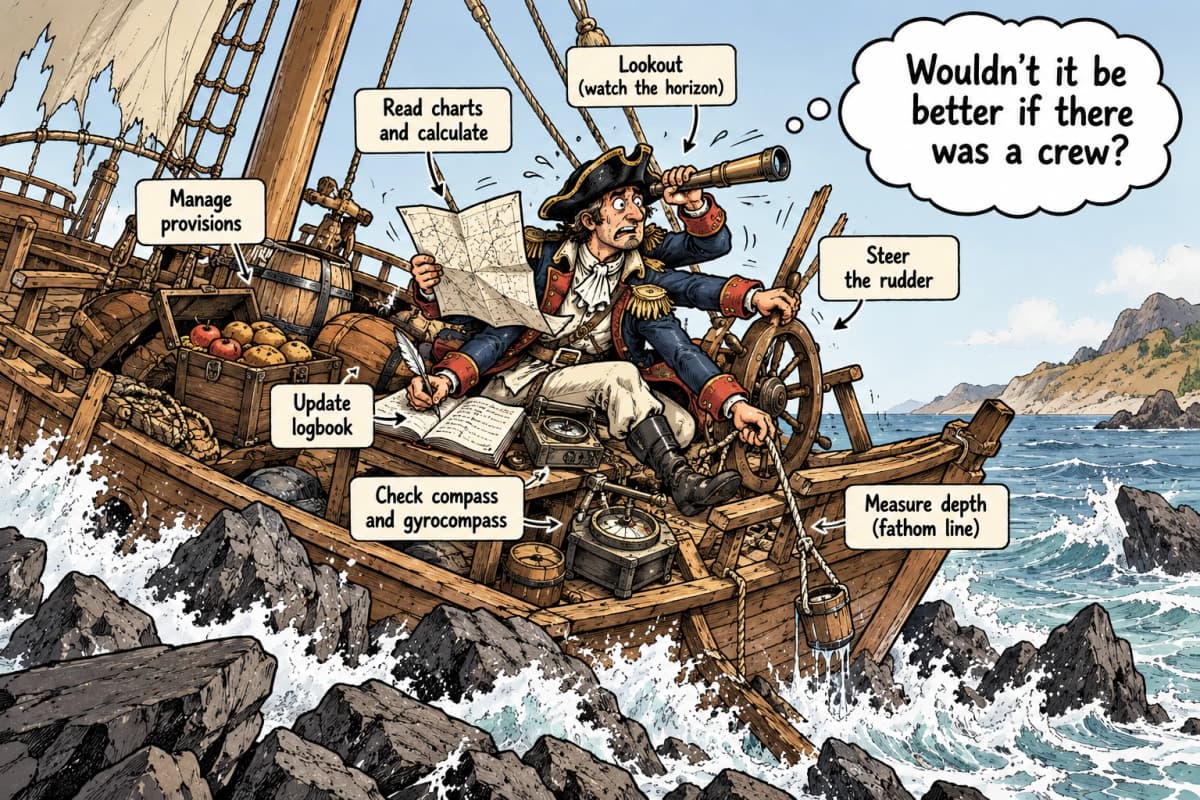
An illustration comparing distributed cognition, cognitive offloading, external representations, AI mind maps, and cognitive artifacts used to support learning and knowledge organization.
Distributed Cognition: Examples & Meaning | Y2Map

Edwin Hutchins, 1995

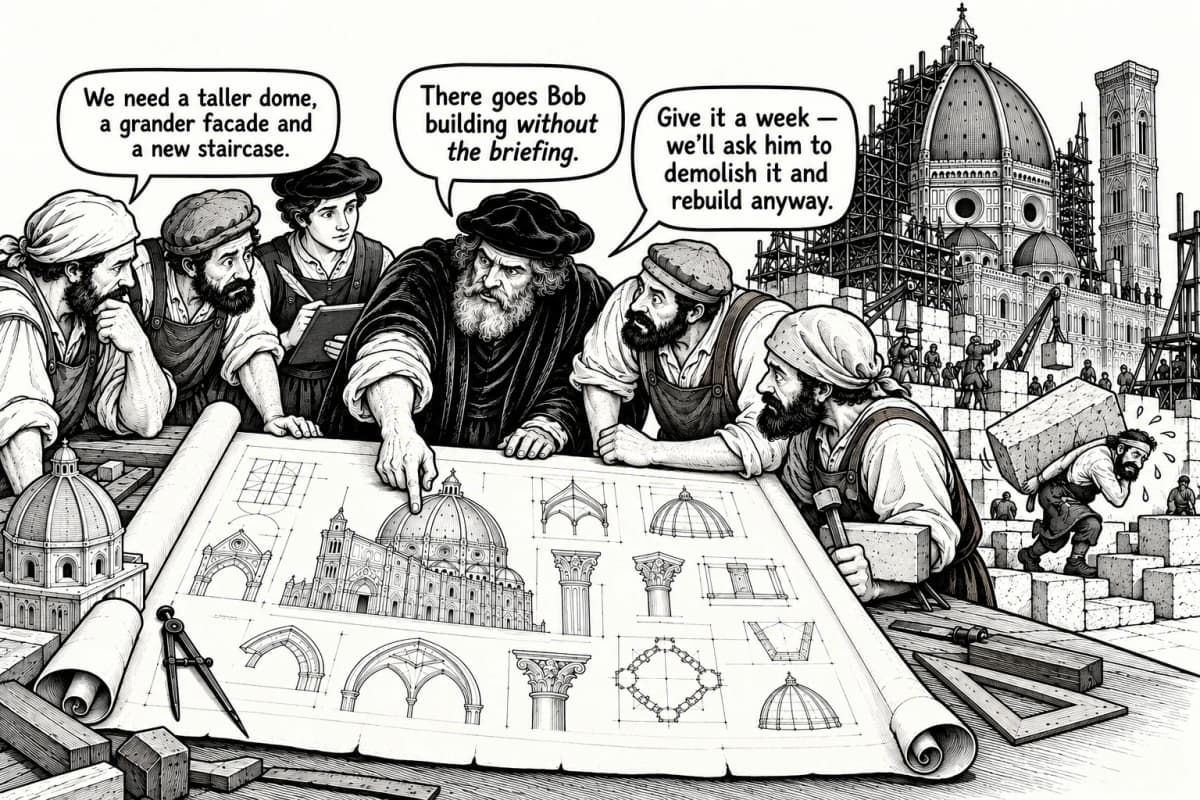
A craft once carried in a master's head becomes a manual, a toolkit, and a public workshop. As specialization grows, knowledge moves into shared infrastructure that anyone can use.

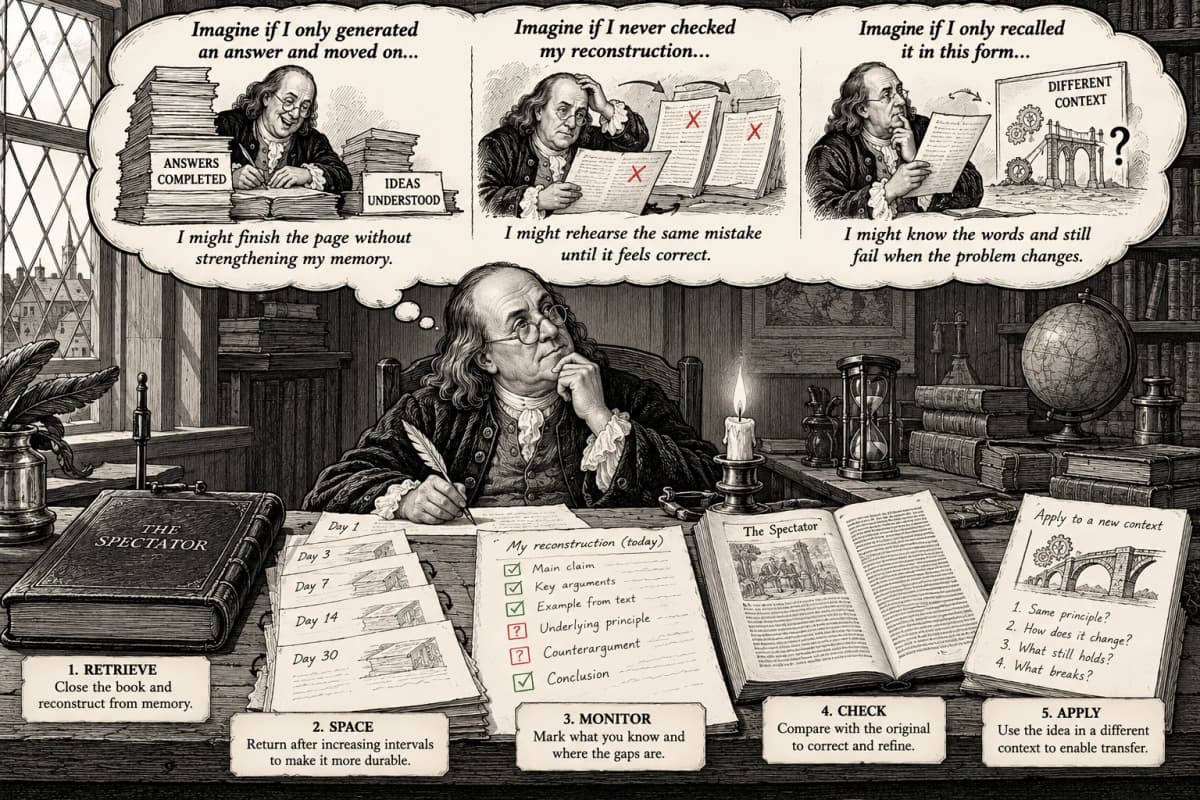
Elaborative retrieval guide covering generation effect, self-explanation, testing effect and schema activation.
Elaborative Retrieval: Meaning & Examples | Y2Map

Karpicke & Smith, 2012 (roots: Craik & Lockhart, 1972)

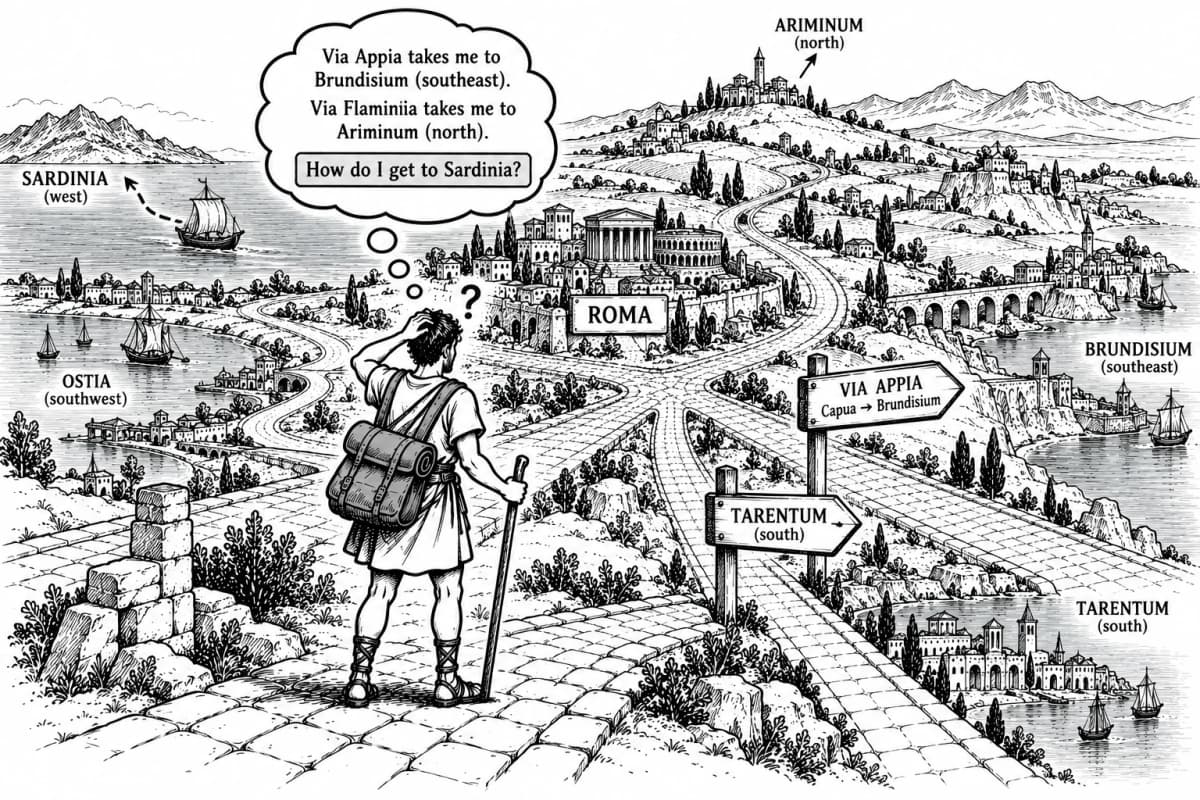
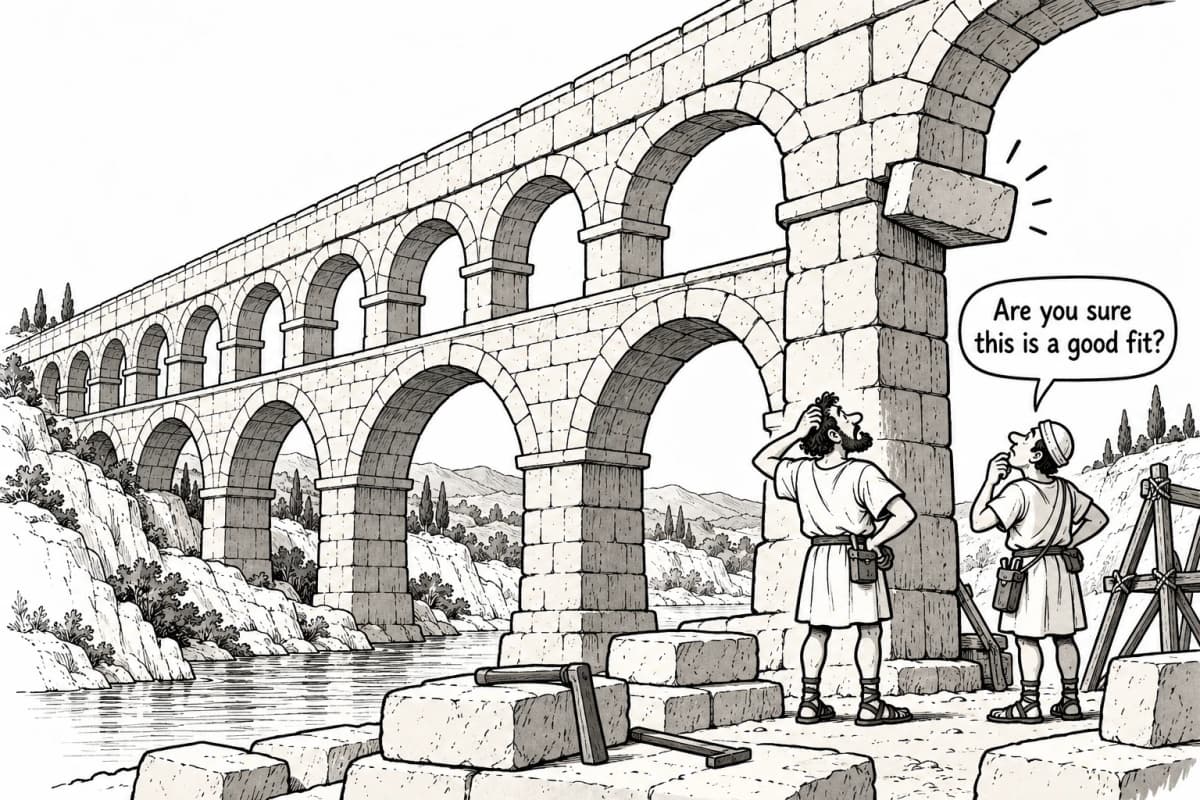
Roman engineers rebuilding a fallen arch stone-by-stone from surviving fragments. Each reconstruction forces the builder to recover relationships among the pieces.

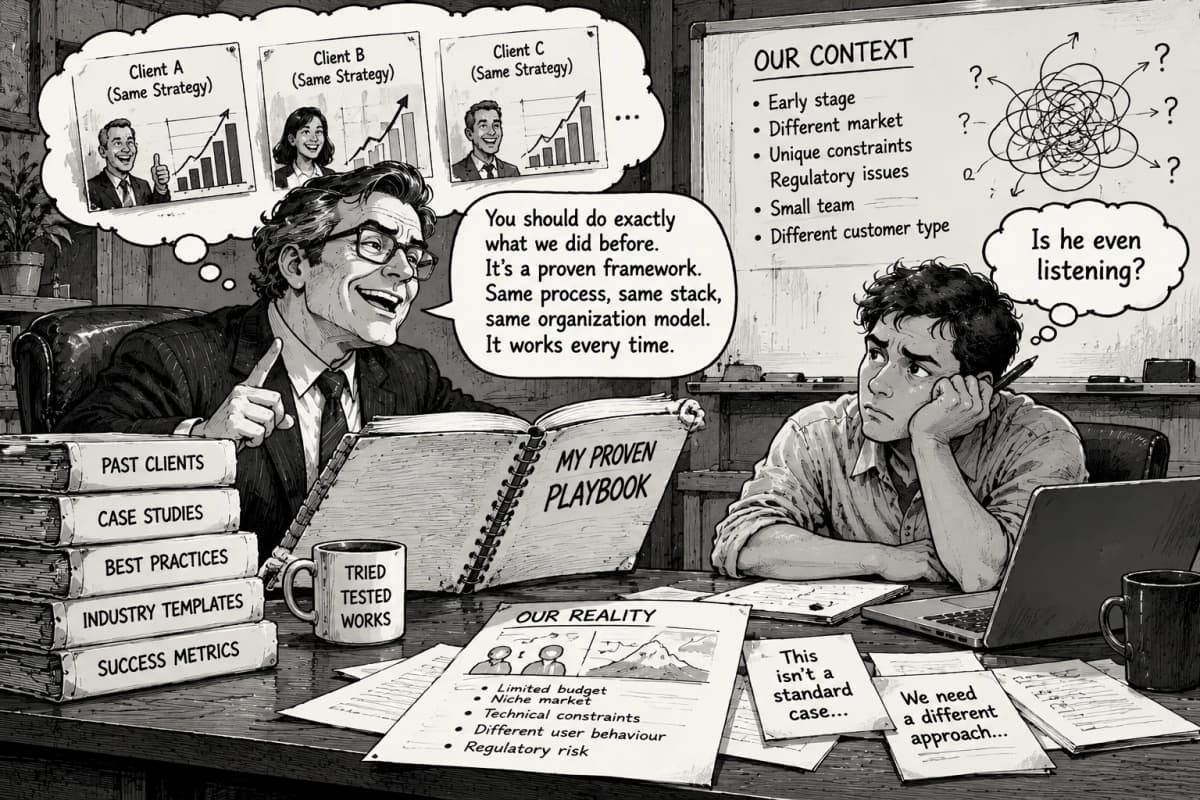
Expertise reversal guide covering cognitive load, worked examples, prior knowledge and adaptive instruction.
Expertise Reversal Effect: Meaning & Examples | Y2Map

Kalyuga, Chandler & Sweller, 1998/2003; Tetzlaff, 2025

London cab drivers navigating thousands of streets from memory while a novice follows a detailed map. The same guidance that supports the beginner becomes redundant for the expert.

Knowledge compilation in ACT-R: declarative chunks become procedural production rules
Knowledge Compilation: Stages & Examples | Y2Map

Anderson, 1976/1982/1993

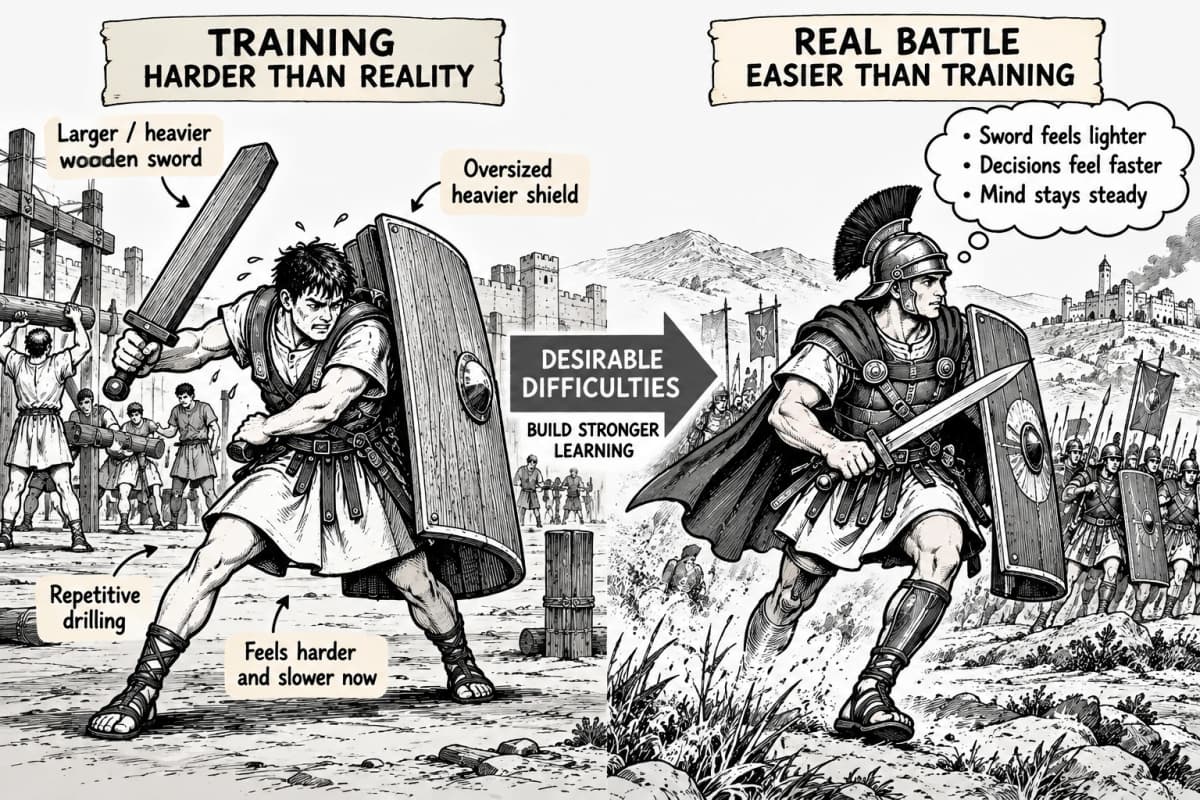
A blacksmith apprentice rehearsing each step aloud until the hammer begins moving automatically through the sequence. Repeated practice compresses explicit instructions into fluent production.

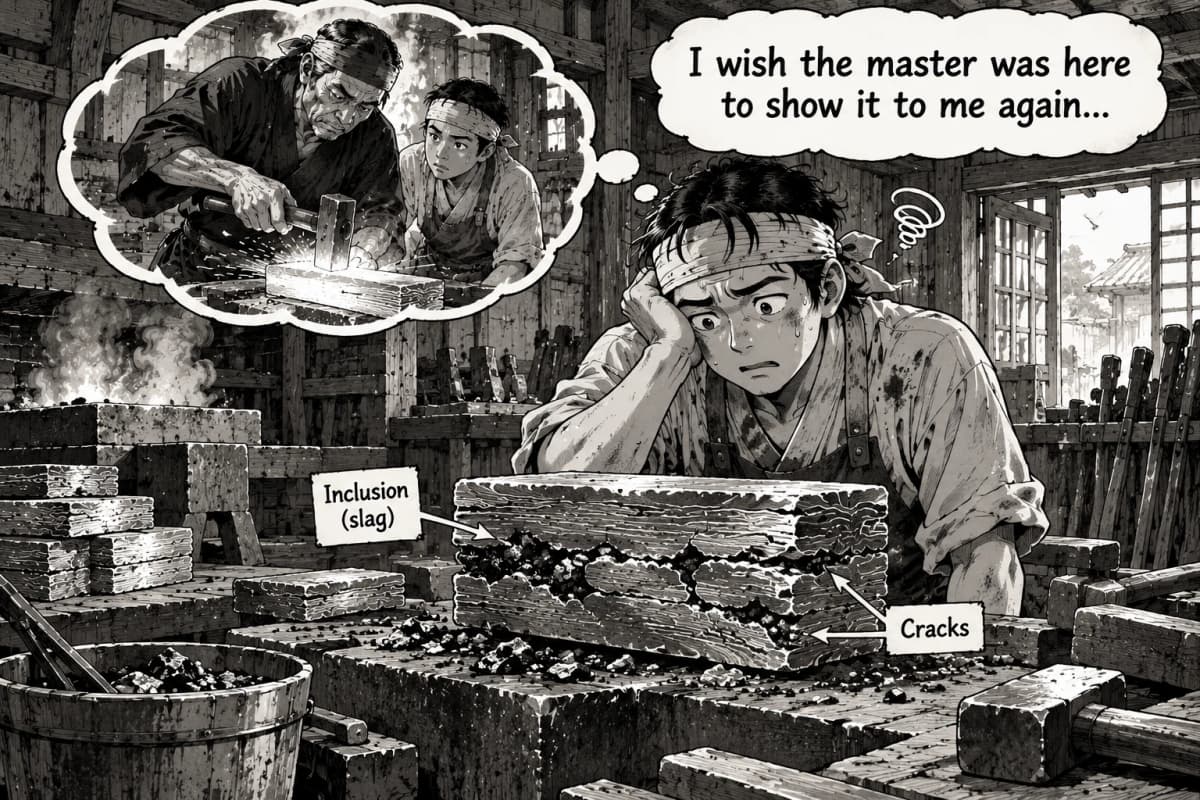
Scaffolding in education: teacher gradually fading support as learners gain independence.
Scaffolding in Education: Examples & Strategies | Y2Map

Wood, Bruner & Ross, 1976 (Vygotsky's ZPD)

A Japanese swordsmith's apprentice learning beside a master who controls the sequence of increasingly demanding tasks. Support matches the apprentice's current capability and recedes as competence develops.

Schema theory diagram: schemas organizing prior knowledge, advance organizers, and memory.
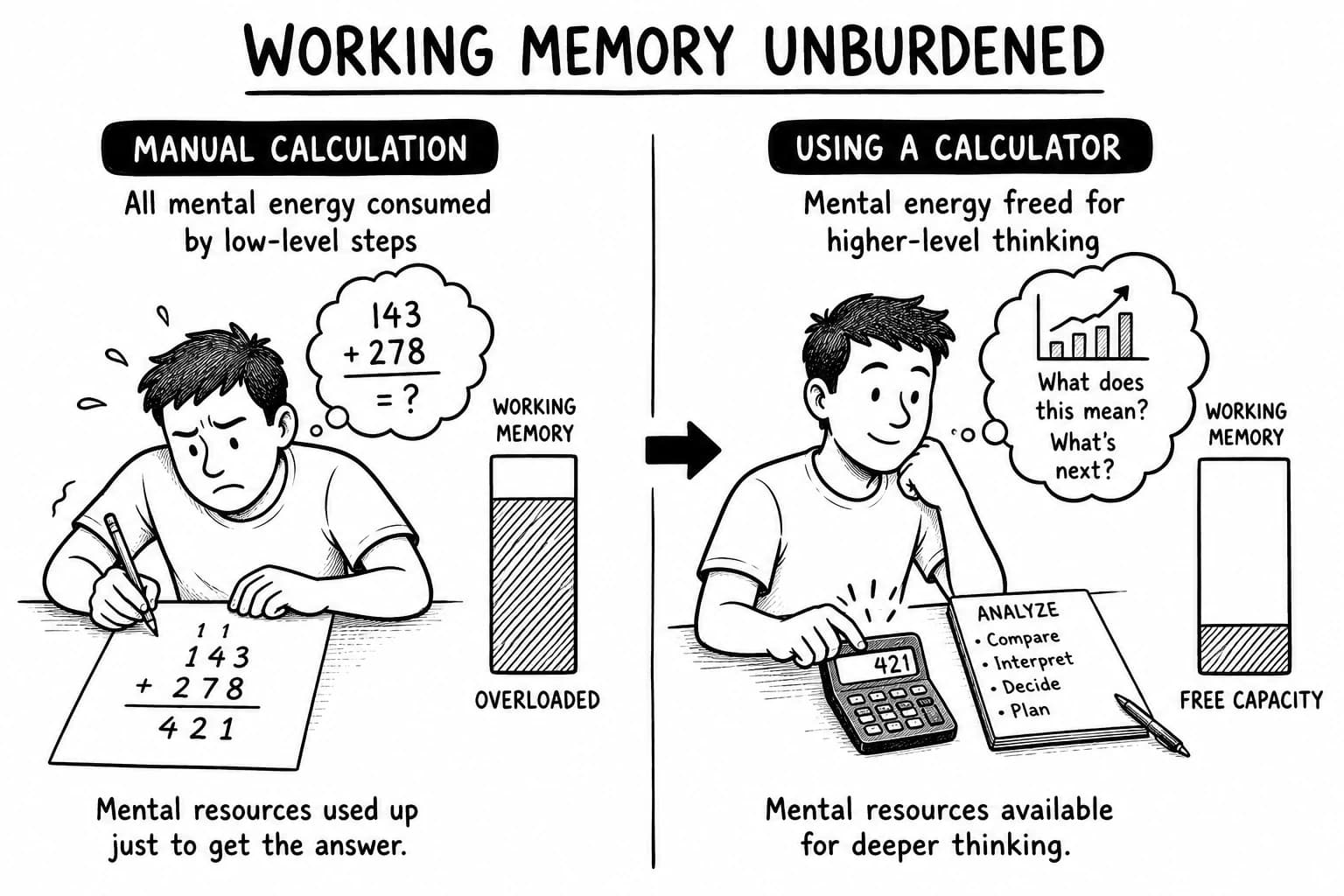
Schema Theory: Examples & Meaning | Y2Map

Frederic Bartlett, 1932, Remembering

Linnaeus sorting shiploads of specimens into Systema Naturae. Classification gives unfamiliar observations an existing structure into which new information can be organized.

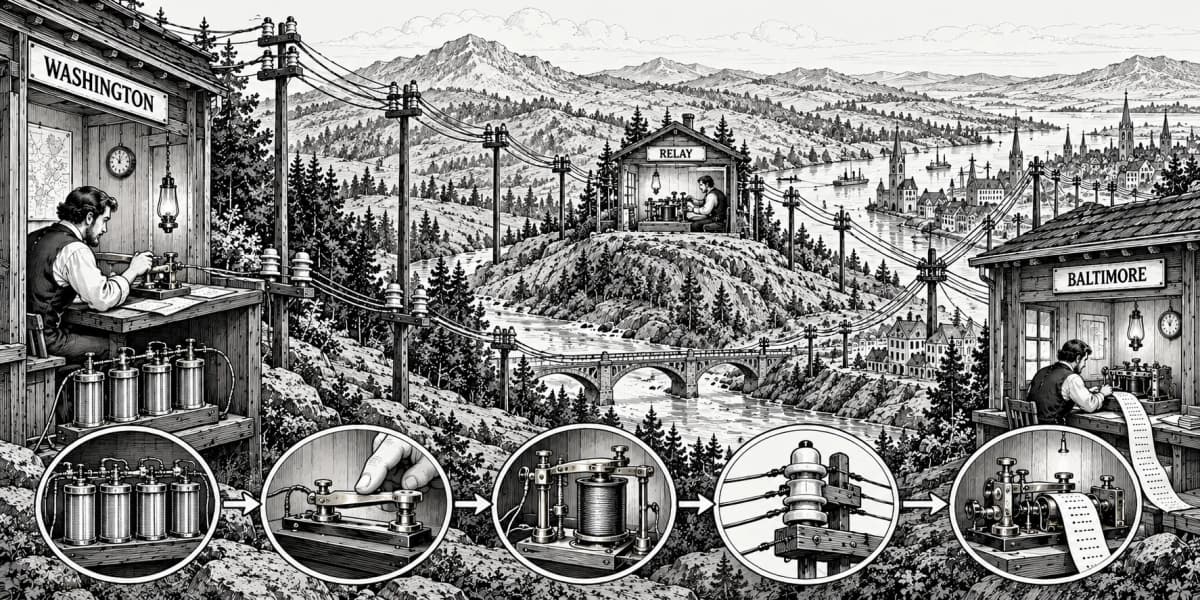
Telegraph network as an analogy for semantic network models: concept nodes and spreading activation.
Semantic Network Models: Meaning & Examples | Y2Map

Quillian, 1967; Collins & Loftus, 1975

Samuel Morse's 1844 Washington-to-Baltimore telegraph network linking distant stations through labeled connections. Information travels through a structure of nodes and pathways.

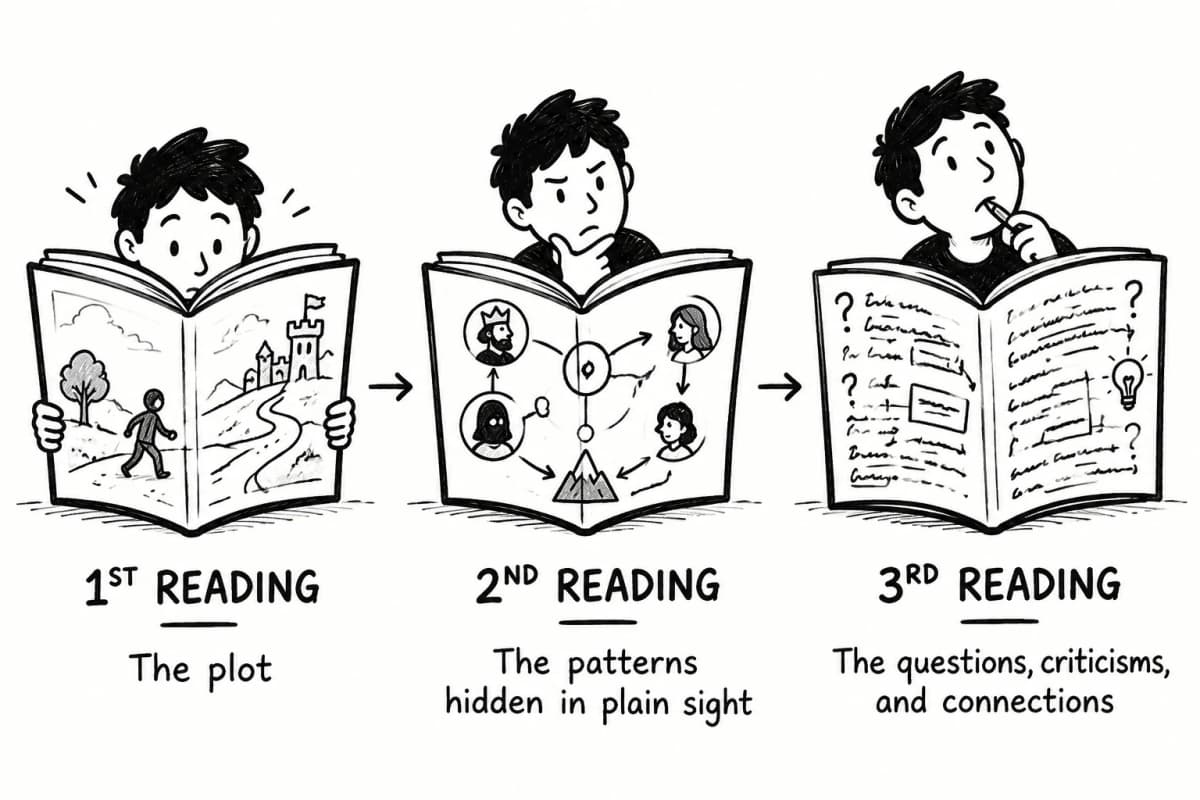
A summary illustration of Bruner's spiral curriculum, conceptual revisiting, and progressive abstraction for retention.
Spiral Curriculum: Meaning & Examples | Y2Map

Jerome Bruner, 1960; Woods Hole Conference, 1959

A scholar repeatedly returning to the same classical text with increasingly annotated margins. The source remains fixed while each encounter adds a deeper layer of understanding.

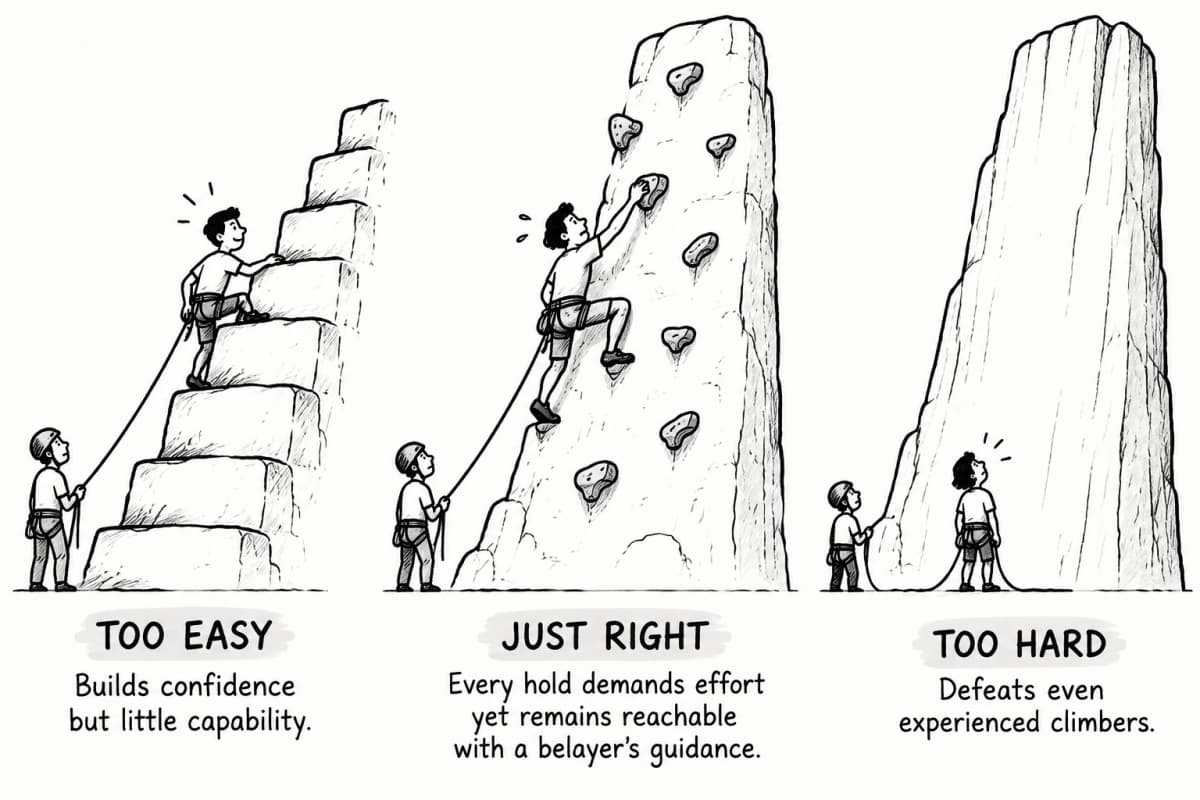
A rock climbing illustration of the zone of proximal development, scaffolding, dynamic assessment, and guided support.
Zone of Proximal Development: Examples & Meaning | Y2Map

Lev Vygotsky, 1930s; scaffolding formalized 1976

A blacksmith apprentice working beside a master who assigns tasks just beyond independent ability. Guided participation turns an unreachable task into the next attainable skill.
15 Day Challenge (Its Free!)

Sit in silence and think. Your brain will thank you later.


Rewire Your Brain in 15 Days.

Free Forever

$0
  • Join the Y2Map Community and earn bonus credits while learning with others.
  • Find accountability partners to stay consistent and build learning streaks together.
  • Earn bonus credits through daily check-ins, sharing wins, giving feedback, co-working sessions, and helping the community.
  • Share wins and struggles to get feedback from other learners and keep making progress.
  • Compare your analytics, evaluations, and leaderboard ranking with the community.
  • 1 free mind map every day with usage resetting at 12 AM UTC.
  • No subscriptions. Unlimited history, evaluations, and analytics forever.
Early Bird Offer

Usage-Based Pricing

Get 49 Mind Maps

Logo

Help keep the App ad-free! Skip the queue and learn faster with higher rate limits.

Our Blog

Frequently Asked Questions

Is Y2Map a note-taking app?

Not exactly. Traditional note-taking focuses on recording information. Y2Map is designed around cognitive scaffolding. It removes the effort of organizing information so you can spend more time retrieving, annotating, connecting ideas and building reusable mental models. Instead of replacing learning with AI, it uses AI to make better learning possible.

Why should I read a summary before watching a lecture?

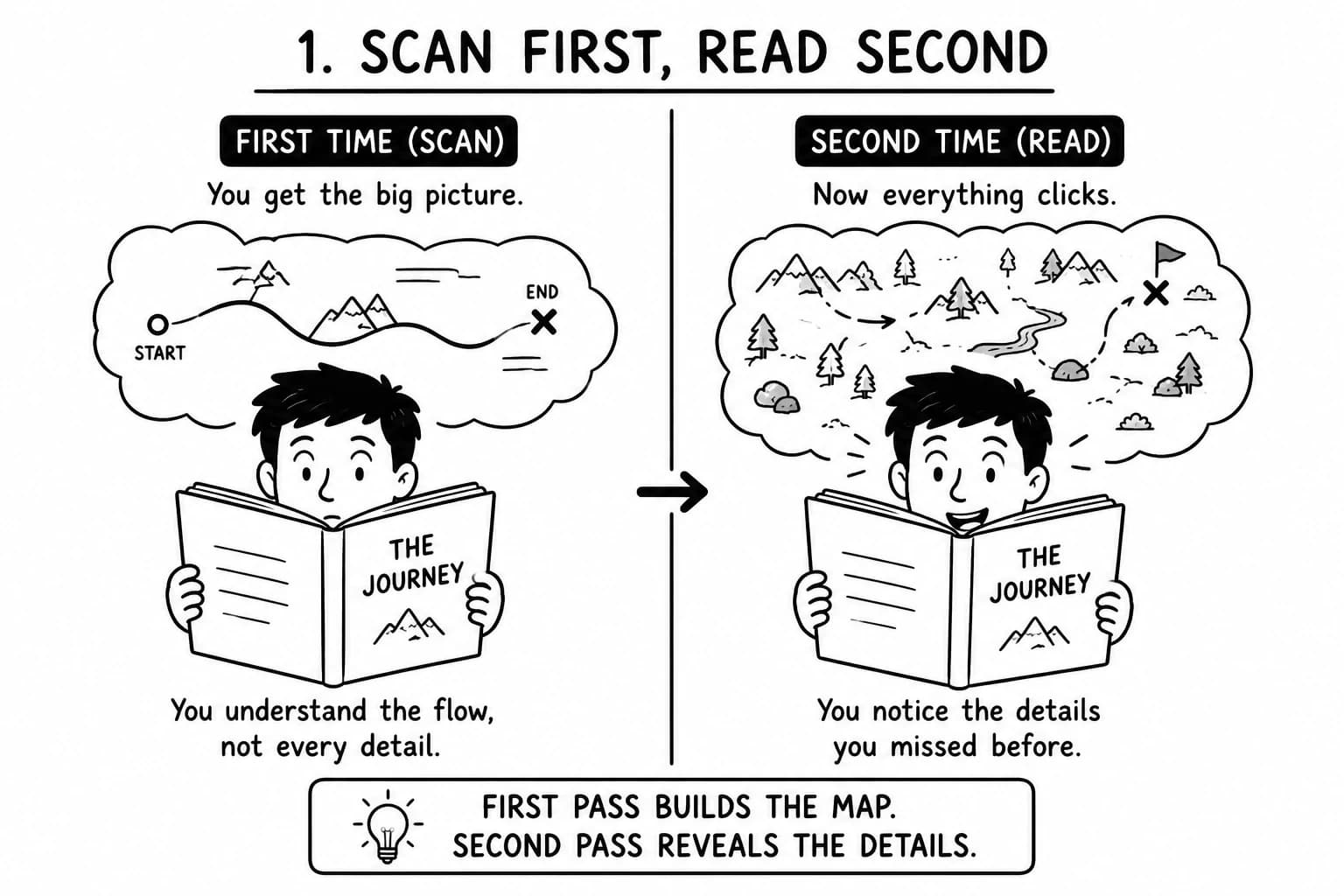
Research on Advance Organizers (David Ausubel) shows that learners understand new information more effectively when they first receive an overview of the topic. Y2Map generates a summary and mind map before you watch, giving your brain a framework so you can focus on explanations, patterns and nuance instead of constantly trying to figure out where the lecture is going.

Does reading a summary spoil the lecture?

No. The goal isn't to replace the lecture—it's to reduce unnecessary cognitive effort. Knowing the key themes beforehand allows you to spend more attention understanding why ideas matter instead of simply keeping up with the presenter.

Why does Y2Map recommend watching at 2× speed?

Because you already understand the structure of the lecture before pressing play. Instead of spending the first twenty minutes building context, you can comfortably follow the discussion at higher playback speeds and reinvest the saved time into annotation, retrieval practice and reflection.

Why pause the lecture instead of taking traditional notes?

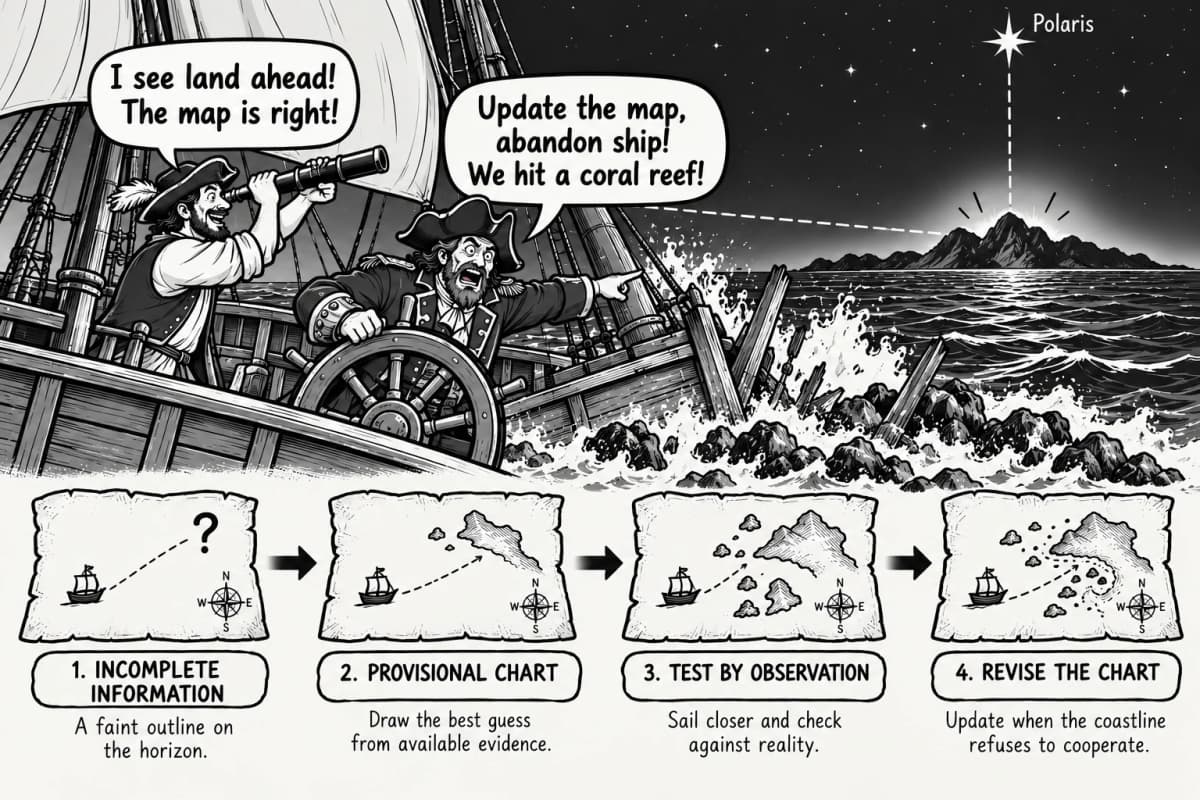
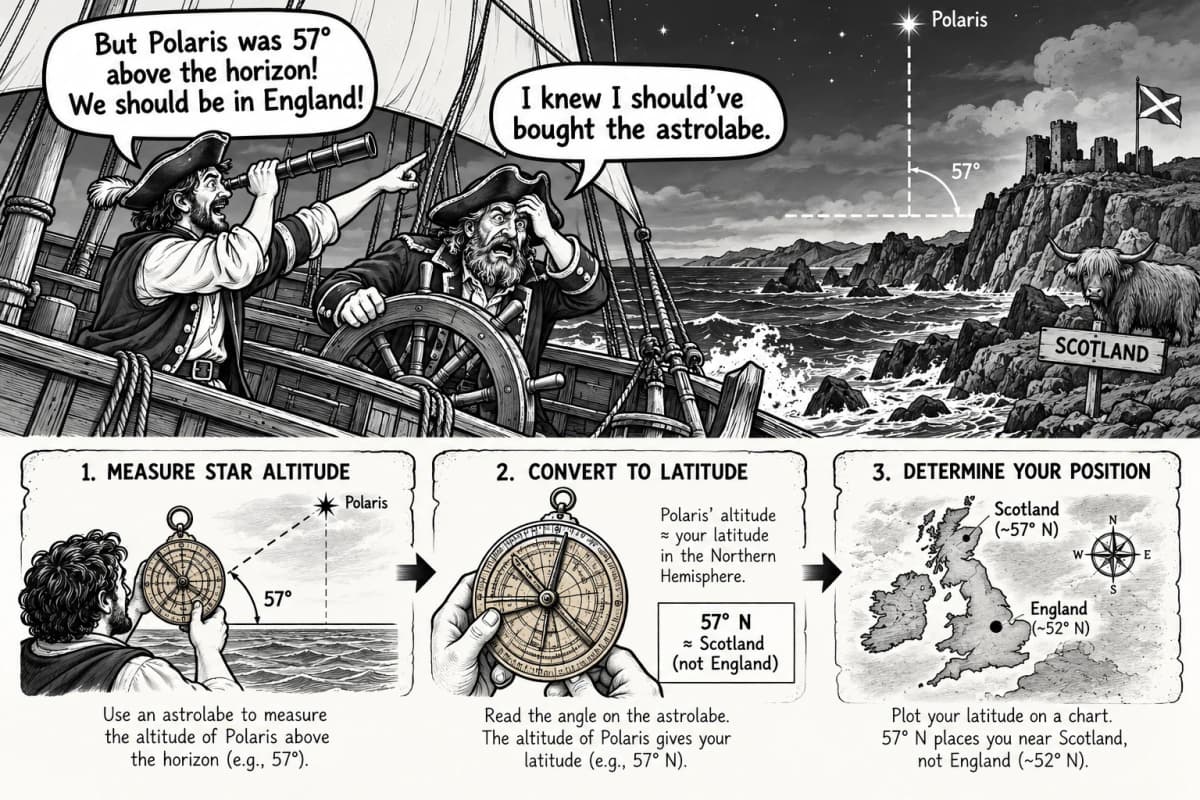
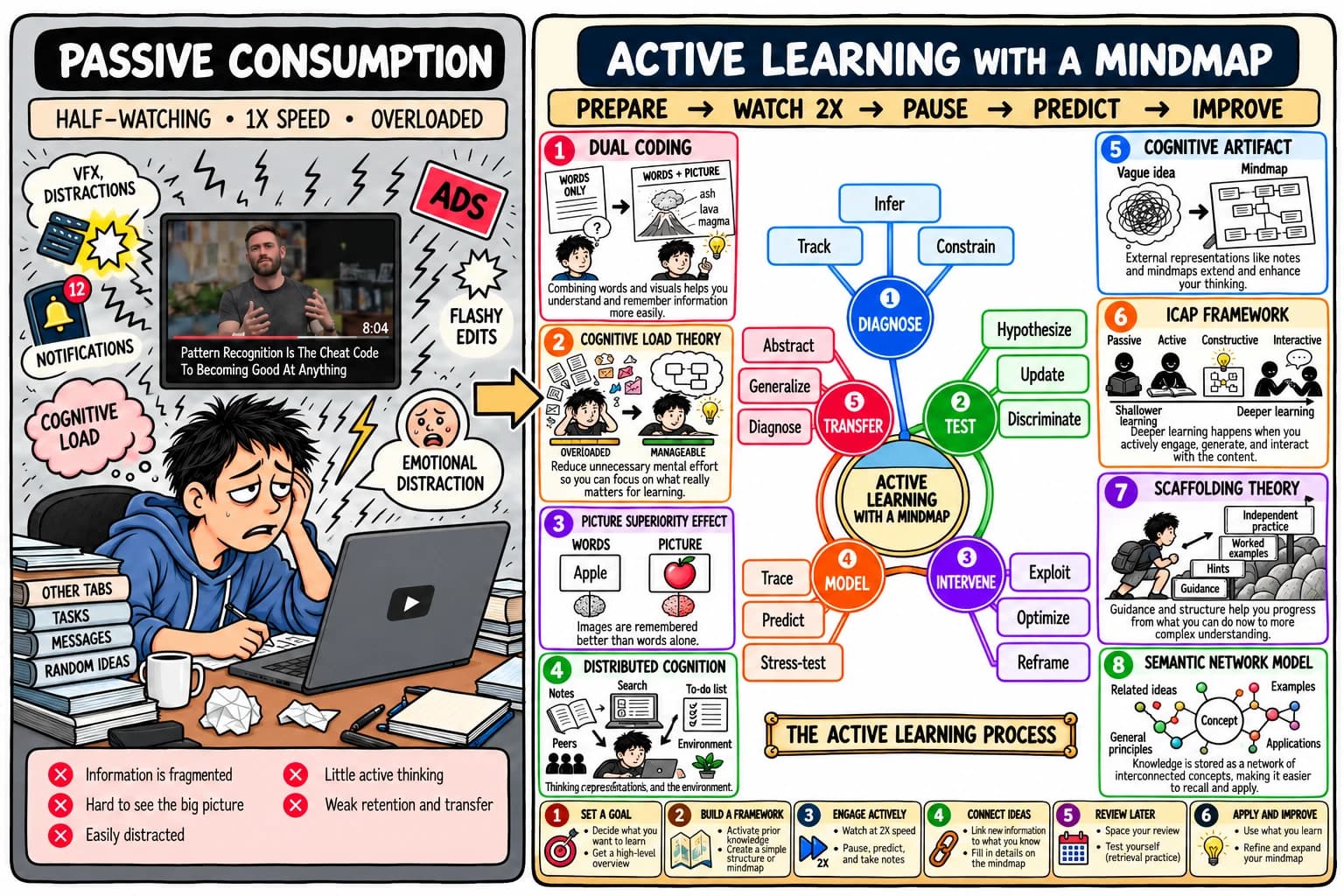
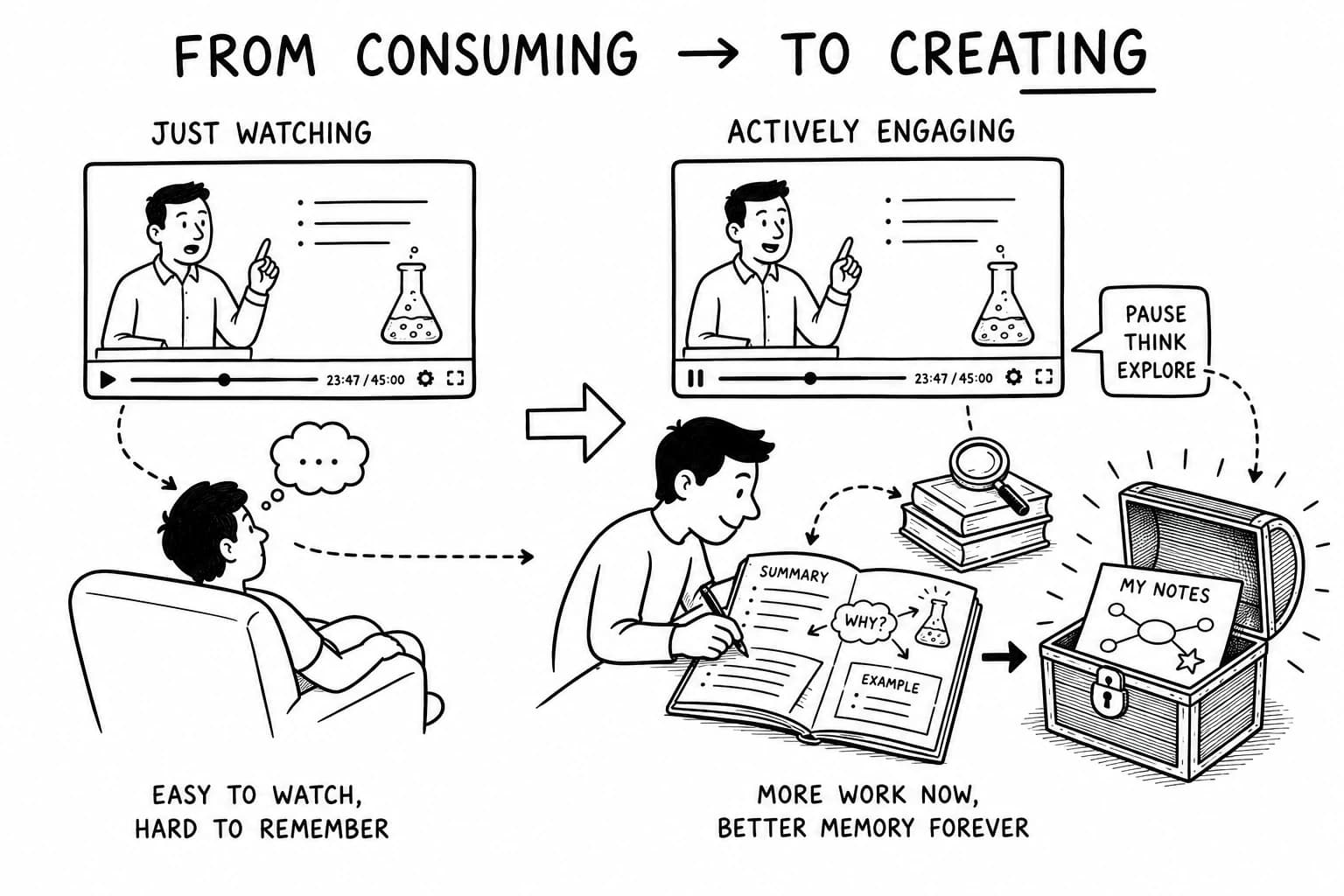
Digital media gives us an advantage books never could. Instead of copying what the lecturer says, pause when an idea sparks curiosity. Annotate the mind map with sketches, faces, analogies, questions and cross-links. Educational research consistently shows that generating your own explanations creates stronger learning than transcription.

Why doesn't Y2Map generate a 'finished' mind map?

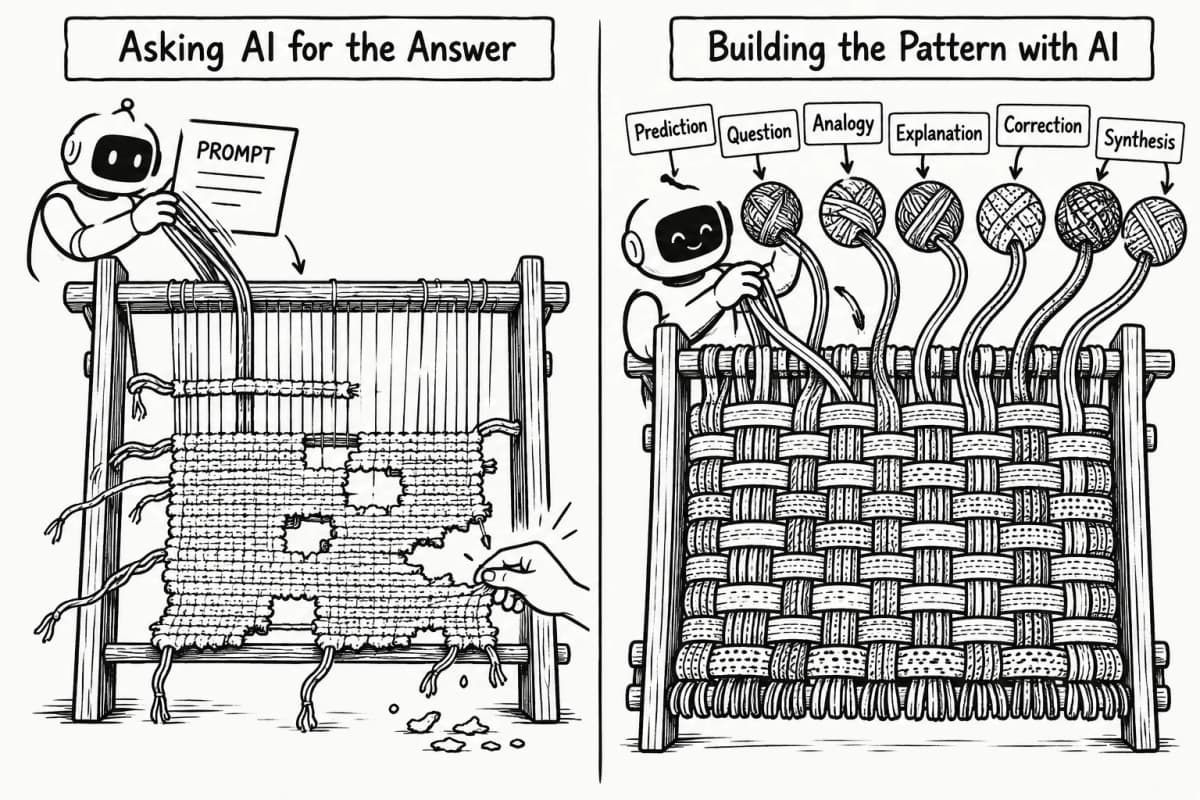
Because learning happens when you actively build knowledge. Y2Map provides the structure, but leaving room for your own annotations encourages retrieval, elaboration and personal meaning-making. Your version of the map becomes far more memorable than an automatically completed diagram.

How is this different from summarizing with ChatGPT?

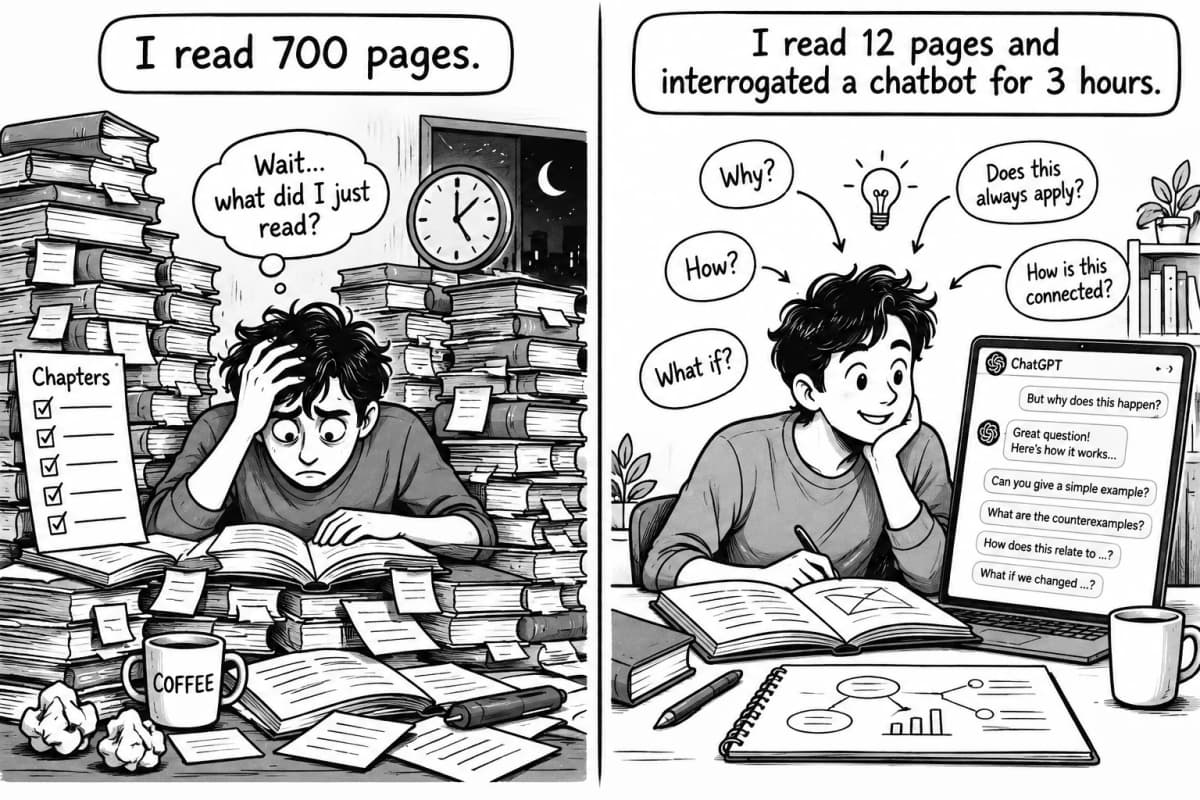
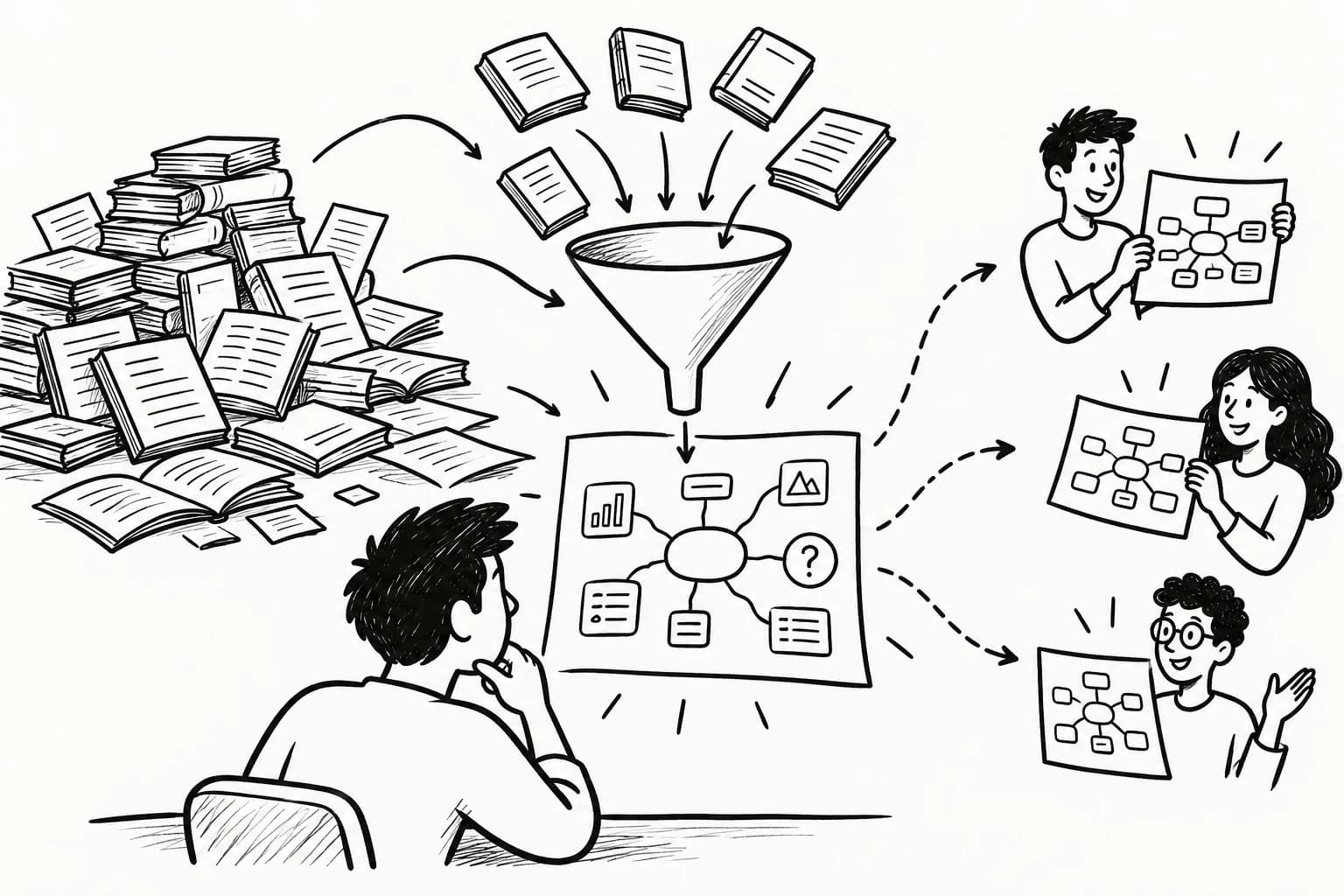
A summary is only the first step. Y2Map combines summaries, visual mind maps, timestamps, people, books and references into a workflow designed around cognitive science. The objective isn't just consuming information faster—it's transforming passive watching into active learning.

How does the workflow improve learning?

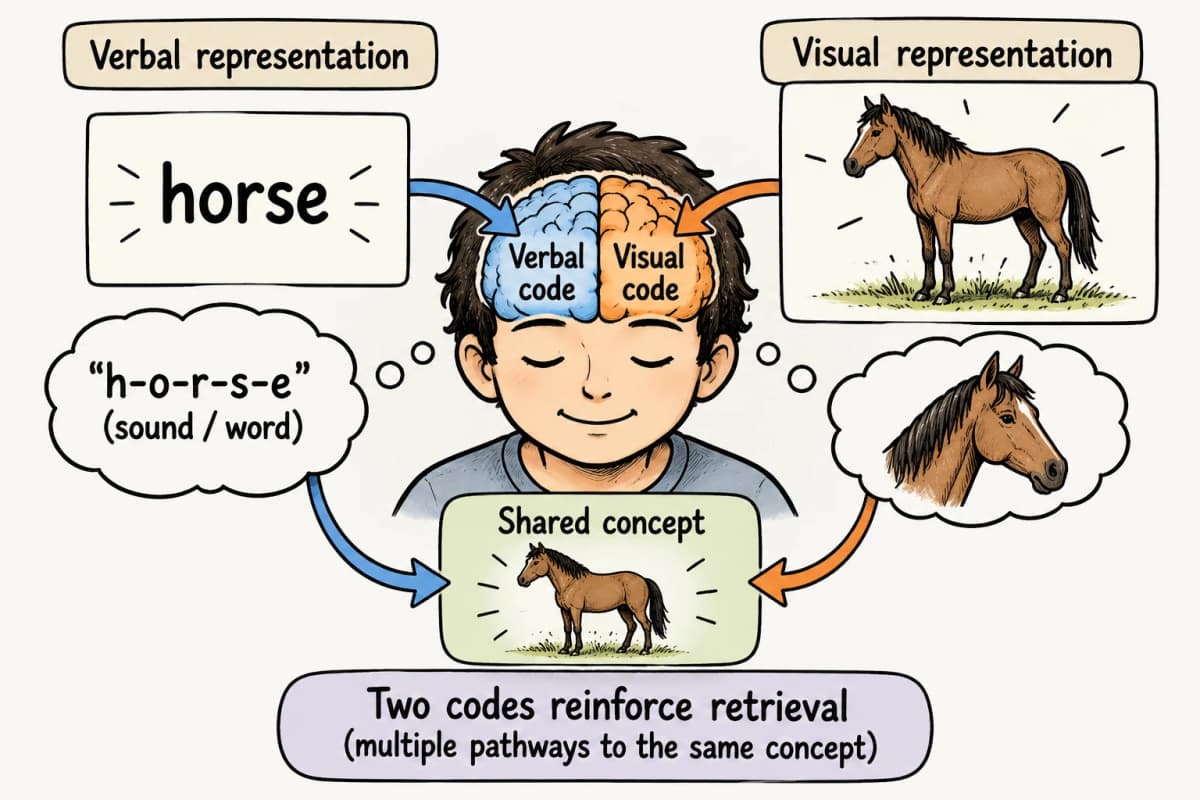
The workflow combines multiple evidence-based learning strategies: advance organizers to activate prior knowledge, multimedia learning to reduce cognitive load, concept mapping to organize ideas spatially, retrieval practice to strengthen memory, and generative learning to help you build your own understanding.

Why is annotating the mind map so important?

Drawing arrows, adding sketches, linking ideas and writing questions forces your brain to actively process information instead of recognizing it passively. These personal annotations become powerful retrieval cues when you revisit the material later.

How do I retain more from long YouTube lectures?

Rather than watching continuously and taking exhaustive notes, use a structured workflow: explore the summary first, watch with context, pause to enrich the mind map, retrieve ideas from memory, and connect them to previous knowledge. This shifts learning from passive consumption toward active knowledge construction.

Who is Y2Map designed for?

Y2Map is built for anyone learning from long-form content—students, researchers, engineers, founders, educators and lifelong learners who want to move beyond collecting information and start building durable mental models, transferable knowledge and systems thinking.