
Our Research Library
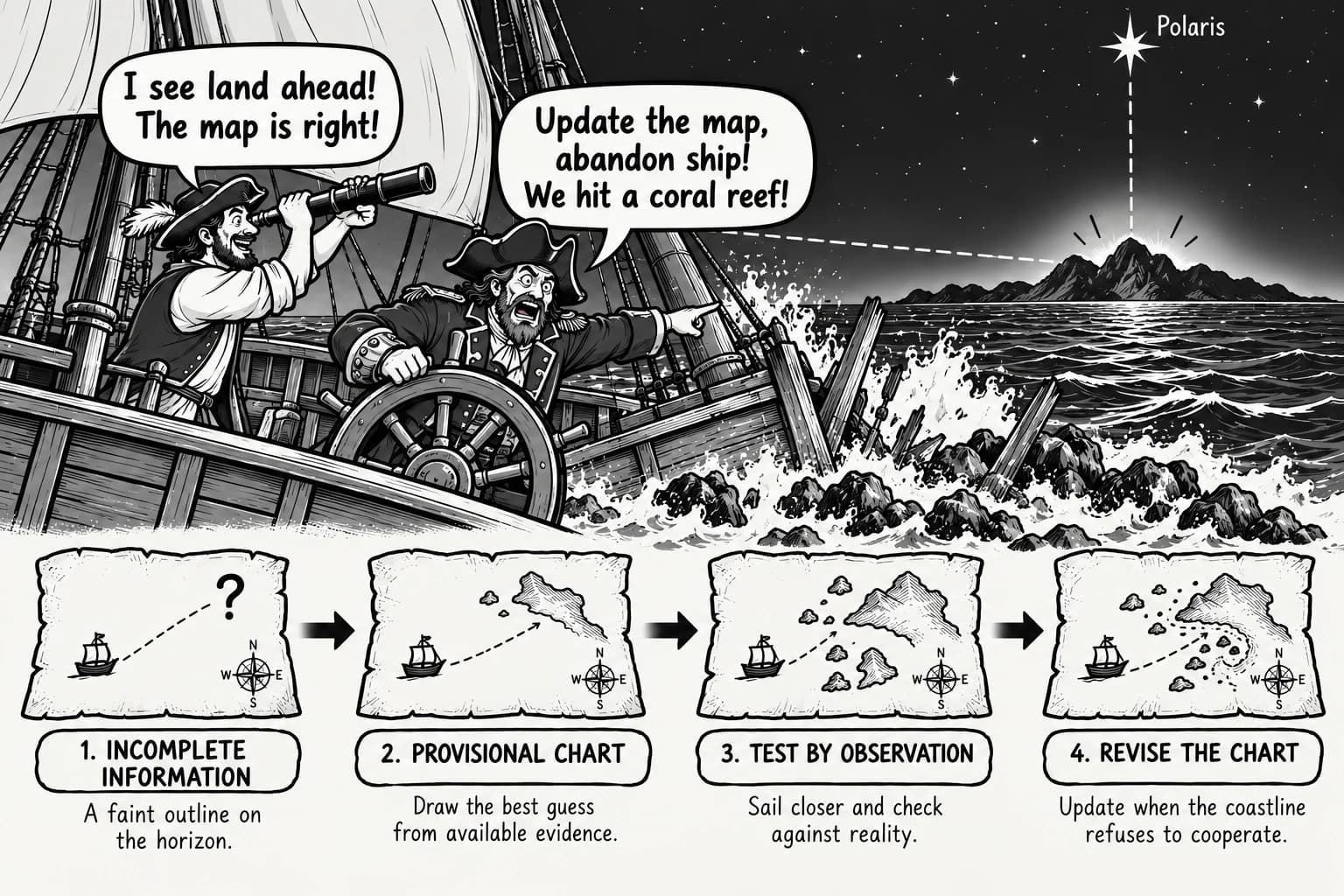
What Is Abductive Reasoning? Meaning, Examples, and How It Works | Y2Map
Learn abductive reasoning, its meaning, examples, process, research uses, and differences from inductive and deductive reasoning.
Advance Organizers: Meaning, Examples, and How to Use Them for Learning | Y2Map
Learn what advance organizers are, how Ausubel’s theory works, classroom examples, and how to create and verify AI-generated organizers.
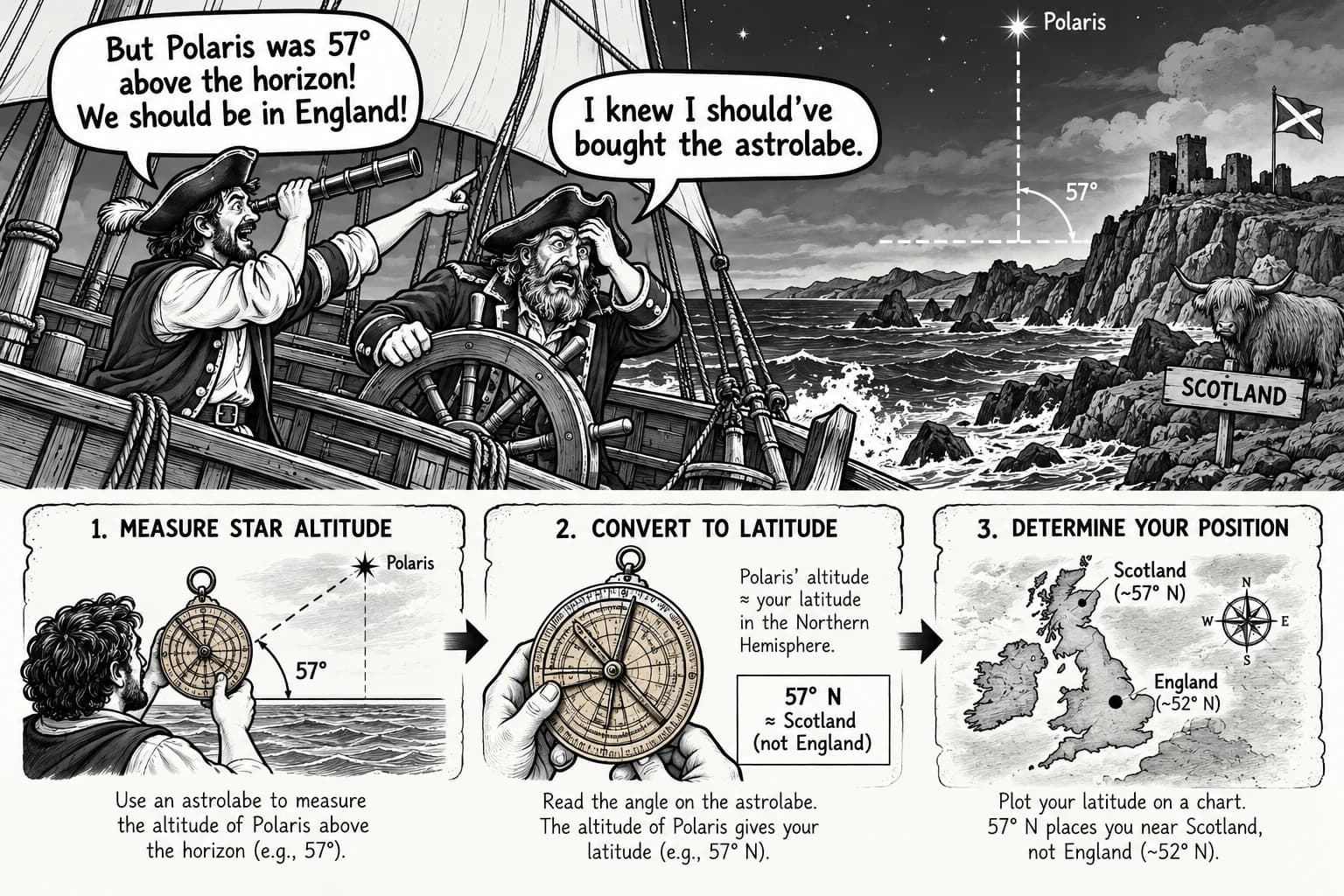
Cognitive Artifacts: Definition, Examples, and How Tools Support Thinking | Y2Map
Explore cognitive artifacts, examples, Donald Norman’s theory, educational uses, and how external tools shape thinking.
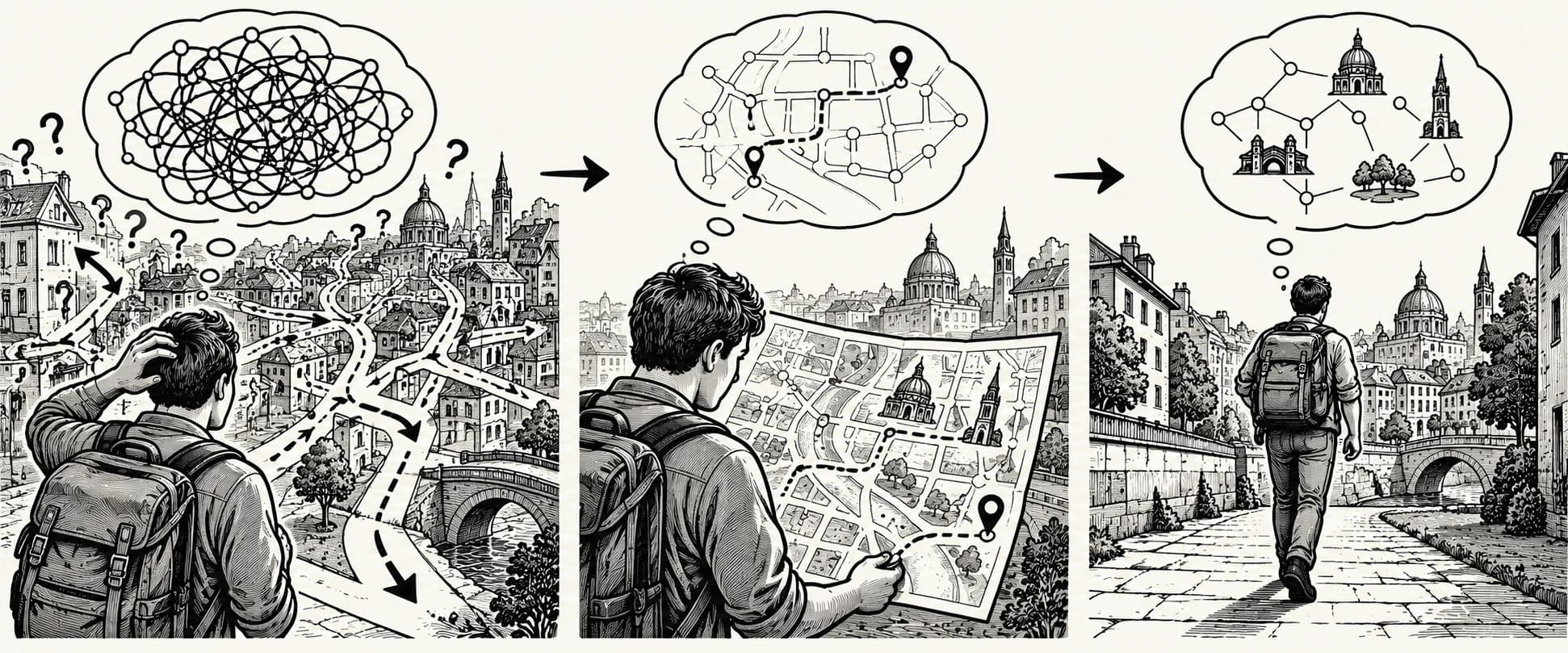
Cognitive Load Theory: Examples & Classroom Tips | Y2Map
Learn cognitive load theory simply: definition, examples and classroom uses, plus how y2map mind maps make it stick. Evidence-backed guide.
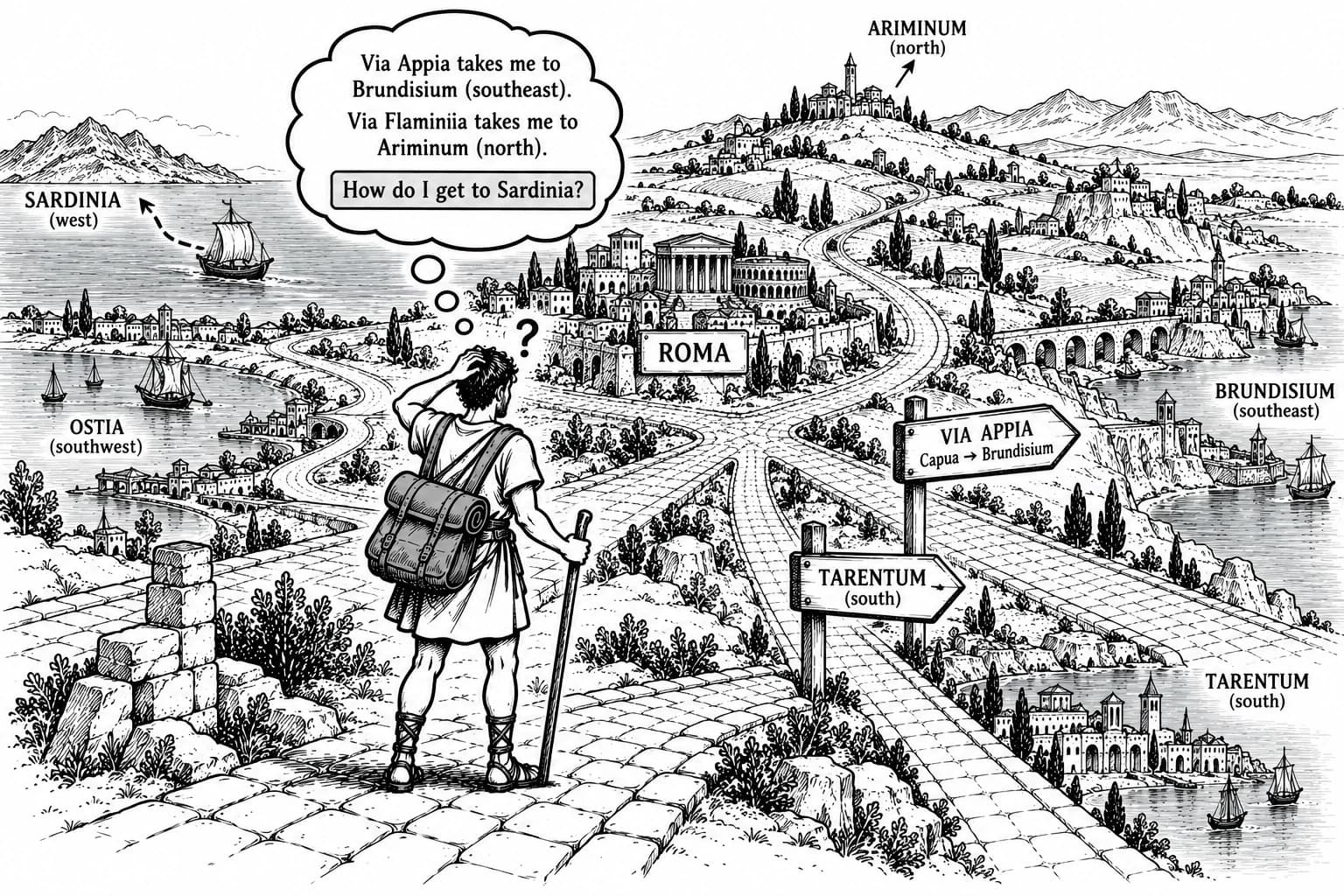
Concept Mapping: Definition, Types, Examples & How to Make a Concept Map | Y2Map
Learn what concept mapping is, explore types and student examples, and follow a practical guide to creating clear concept maps.
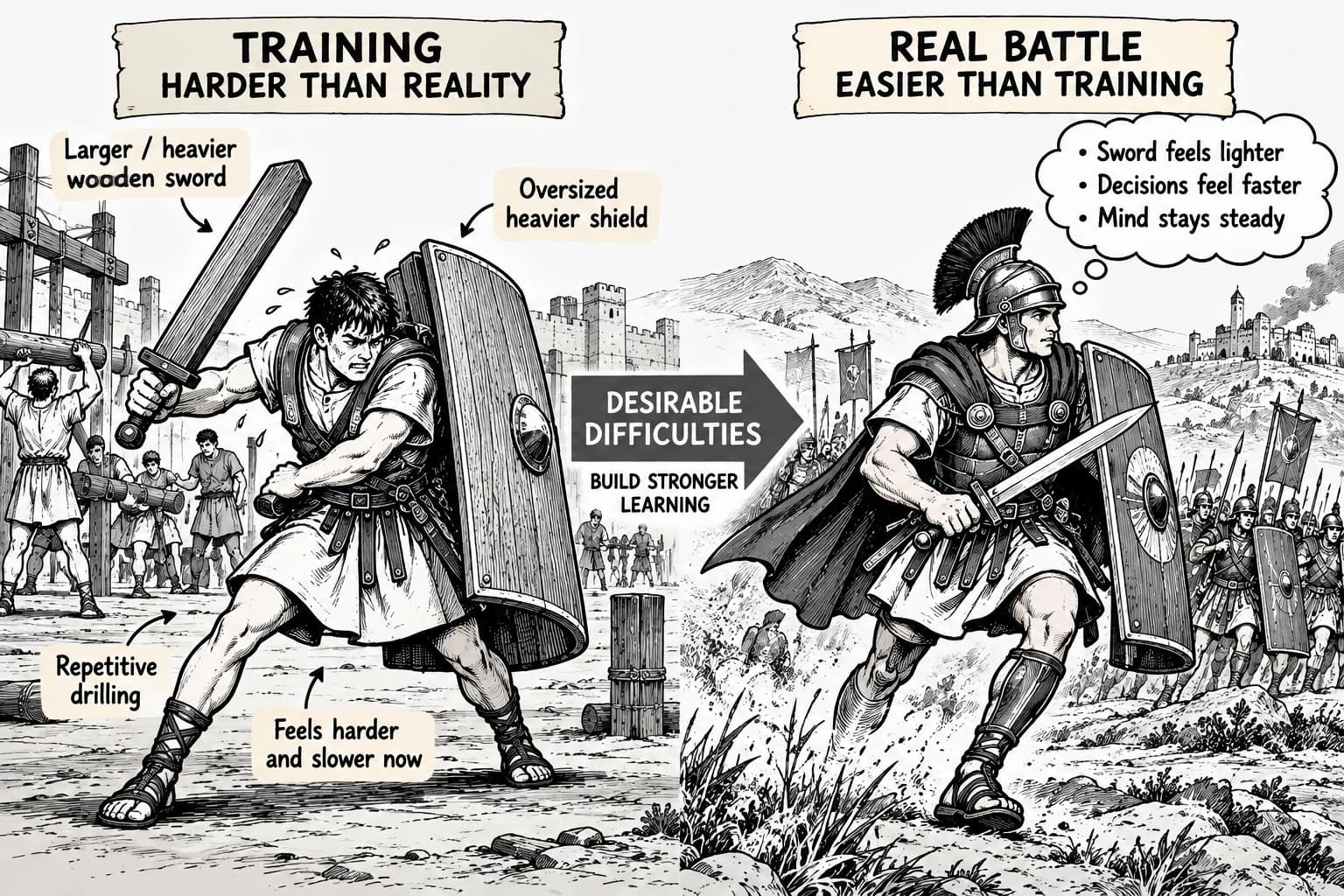
Desirable Difficulties: Examples & Study Tips | Y2Map
Learn desirable difficulties simply: definition, examples and classroom uses, plus how y2map mind maps make it stick. Evidence-backed guide.
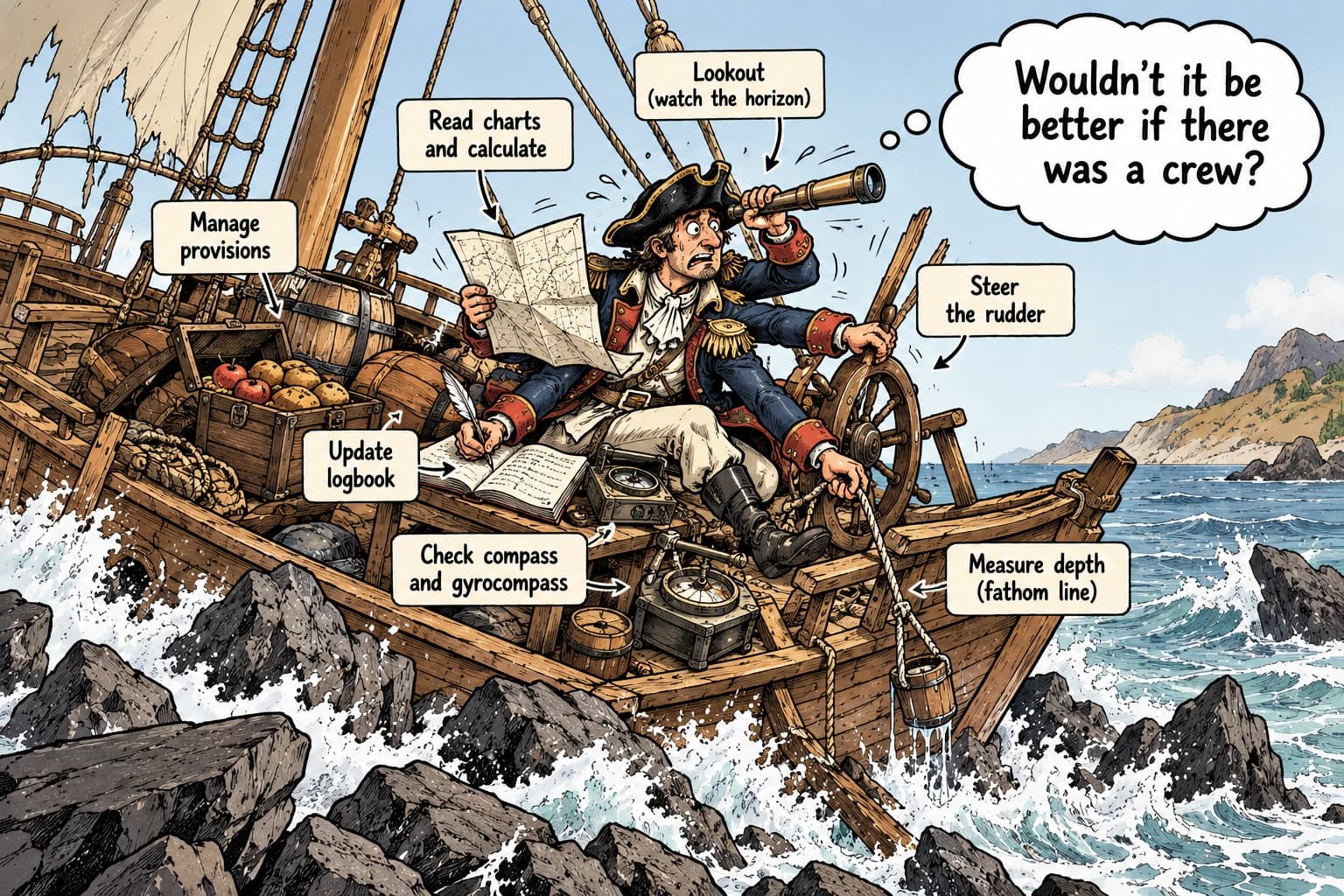
What Is Distributed Cognition? Theory, Examples, and Applications | Y2Map
Explore distributed cognition theory, Hutchins, real-life and classroom examples, cognitive artifacts, AI, and the limits of external tools.
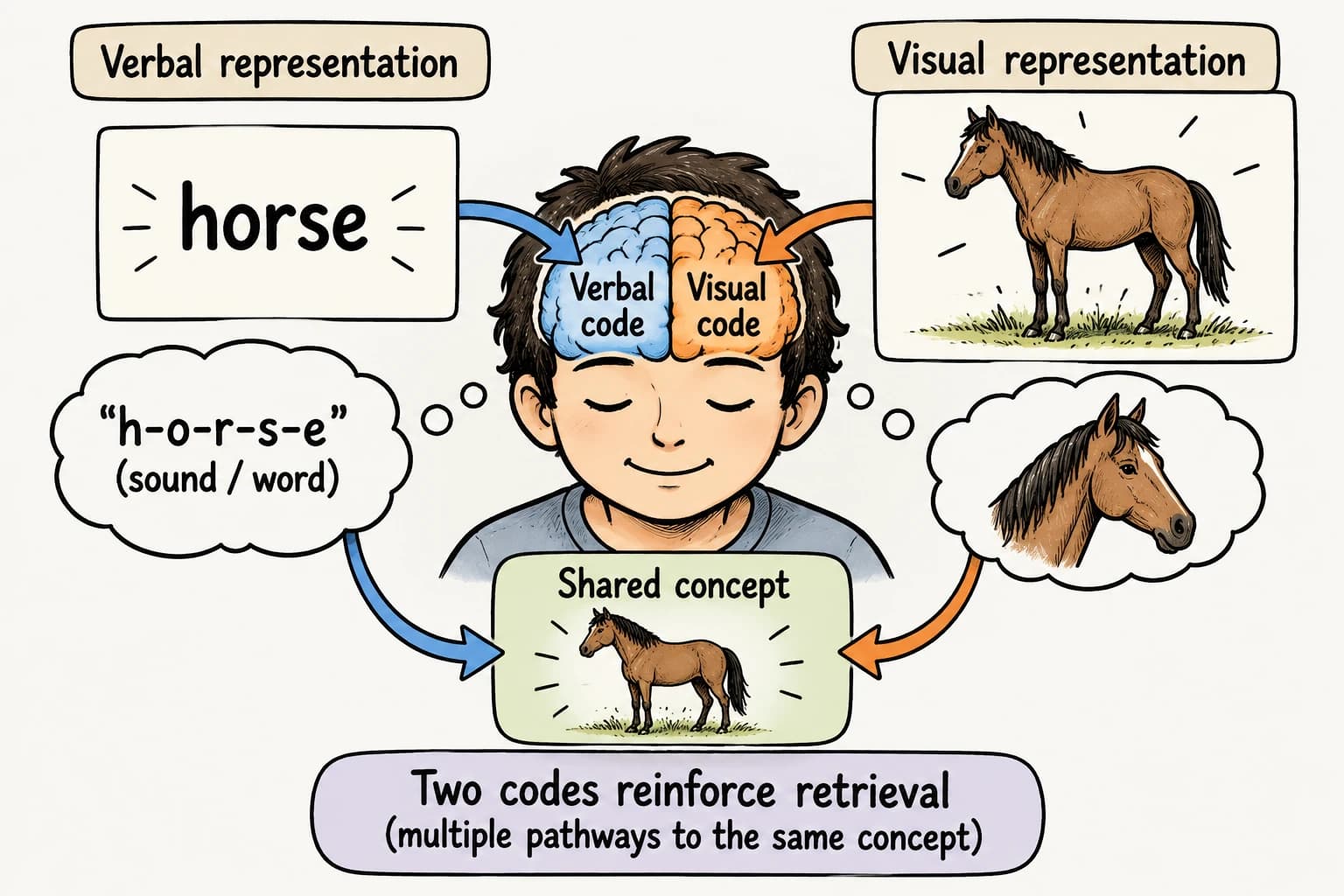
What Is Dual Coding Theory? Examples, Benefits, and Study Strategies | Y2Map
Learn Paivio’s dual coding theory, how words and meaningful visuals support learning, classroom examples, study strategies, and common mistakes.
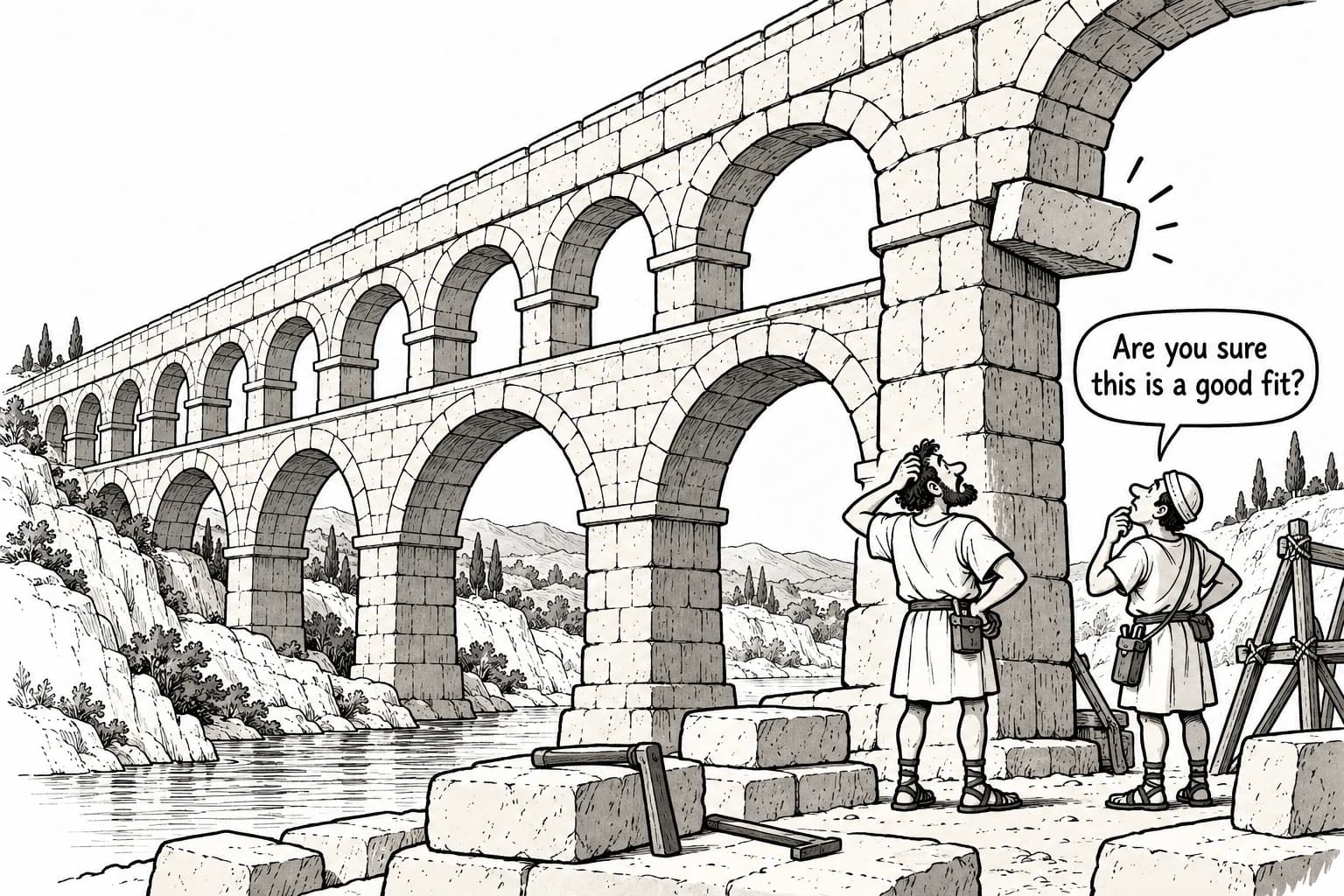
Elaborative Retrieval: Meaning, Examples, and Learning Strategies | Y2Map
Learn elaborative retrieval, why questions improve understanding, classroom strategies, elaborative encoding techniques, and practical study examples.

What Is the Expertise Reversal Effect? Examples and Teaching Strategies | Y2Map
Understand the expertise reversal effect, examples, worked-example research, and strategies for adapting instruction to prior knowledge.

What Is the Generation Effect? Why Producing Answers Improves Learning | Y2Map
Learn how the generation effect works, with examples, student and teacher strategies, AI study workflows, and limits of the evidence.
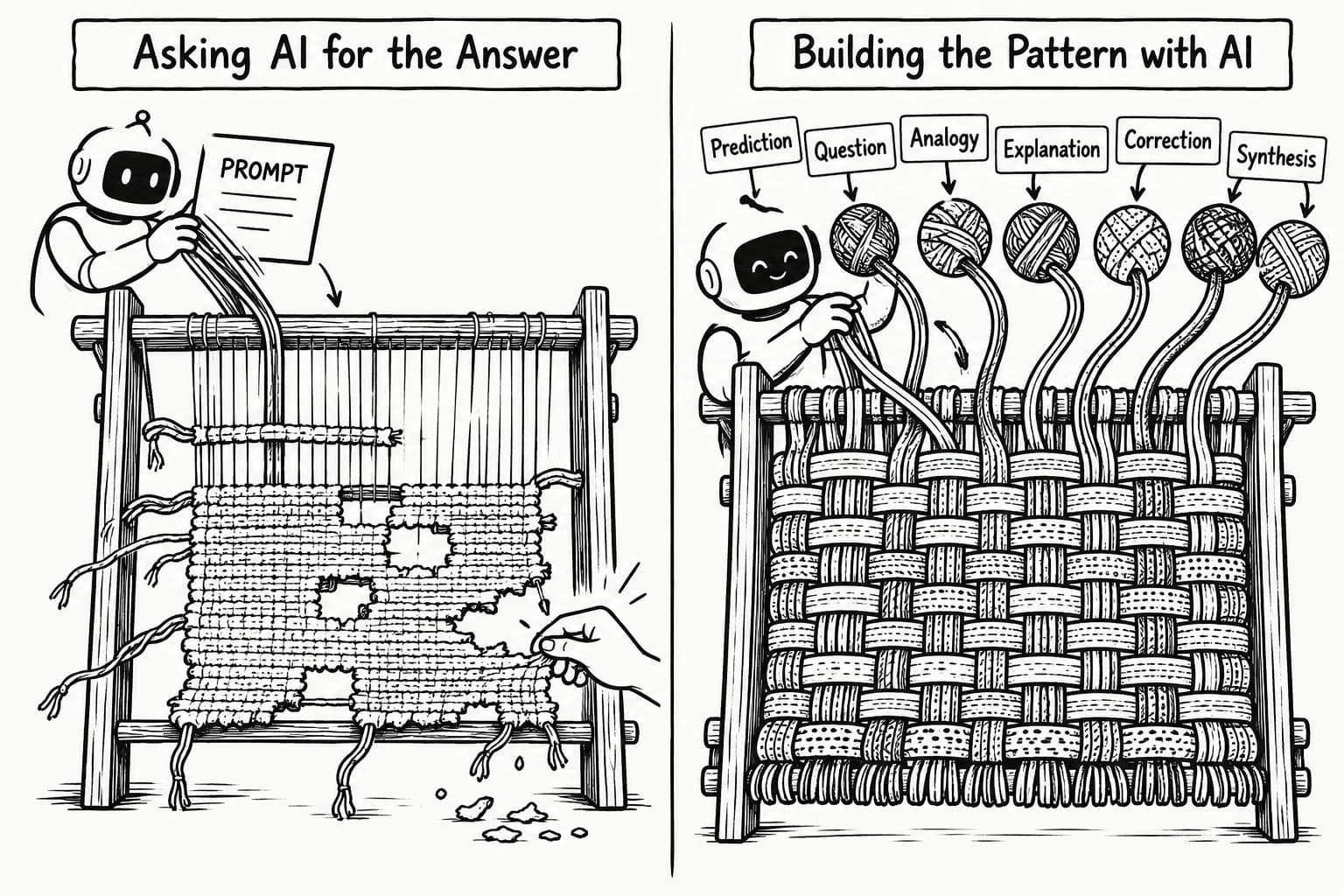
What Is Generative Learning? Strategies, Examples, and Benefits | Y2Map
Learn what generative learning is, how the SOI model works, and practical strategies, examples, and classroom activities.
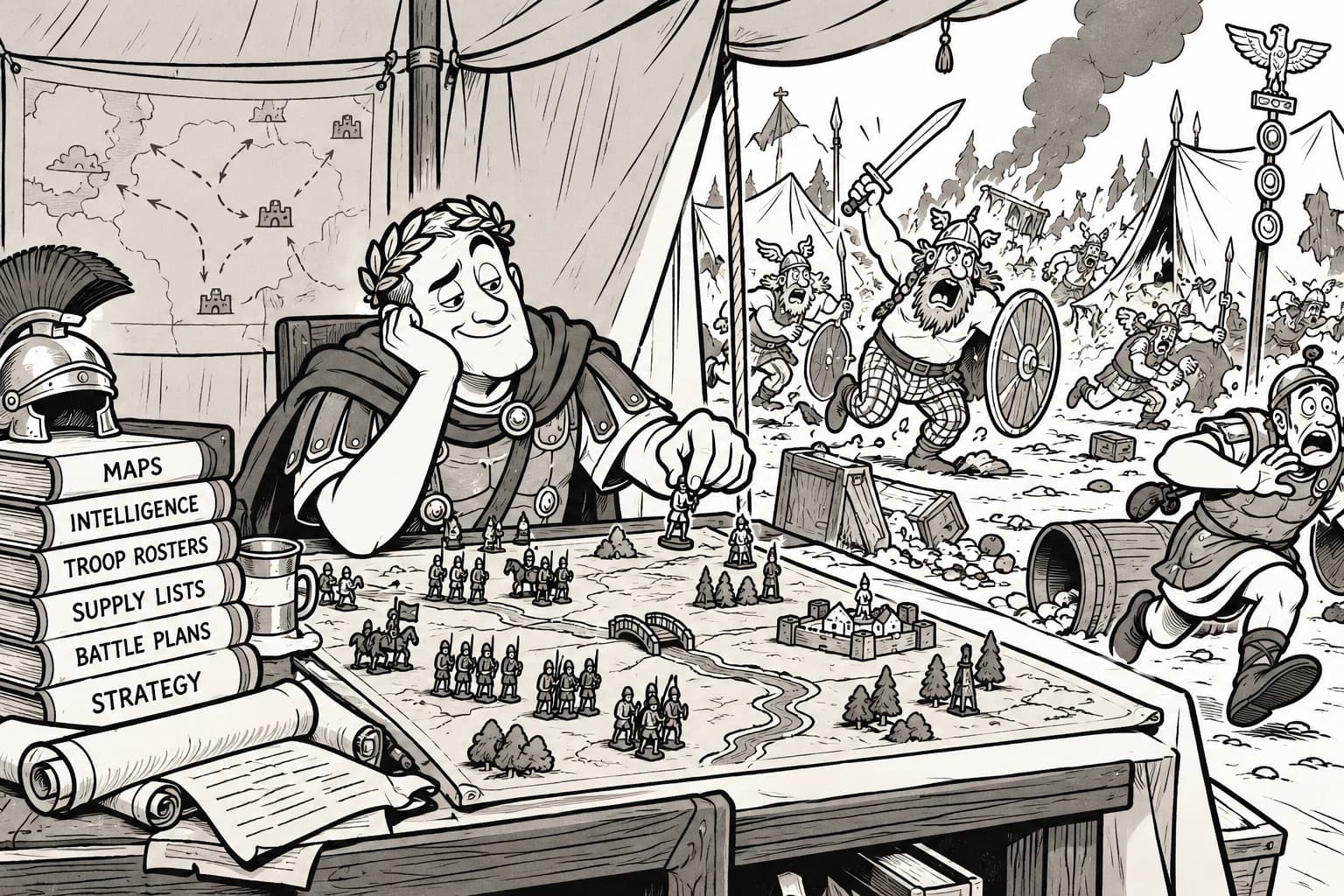
ICAP Framework: Levels, Examples & Classroom Uses | Y2Map
ICAP framework (Chi & Wylie 2014): Interactive, Constructive, Active, Passive levels with classroom examples and workflows that push learners up.
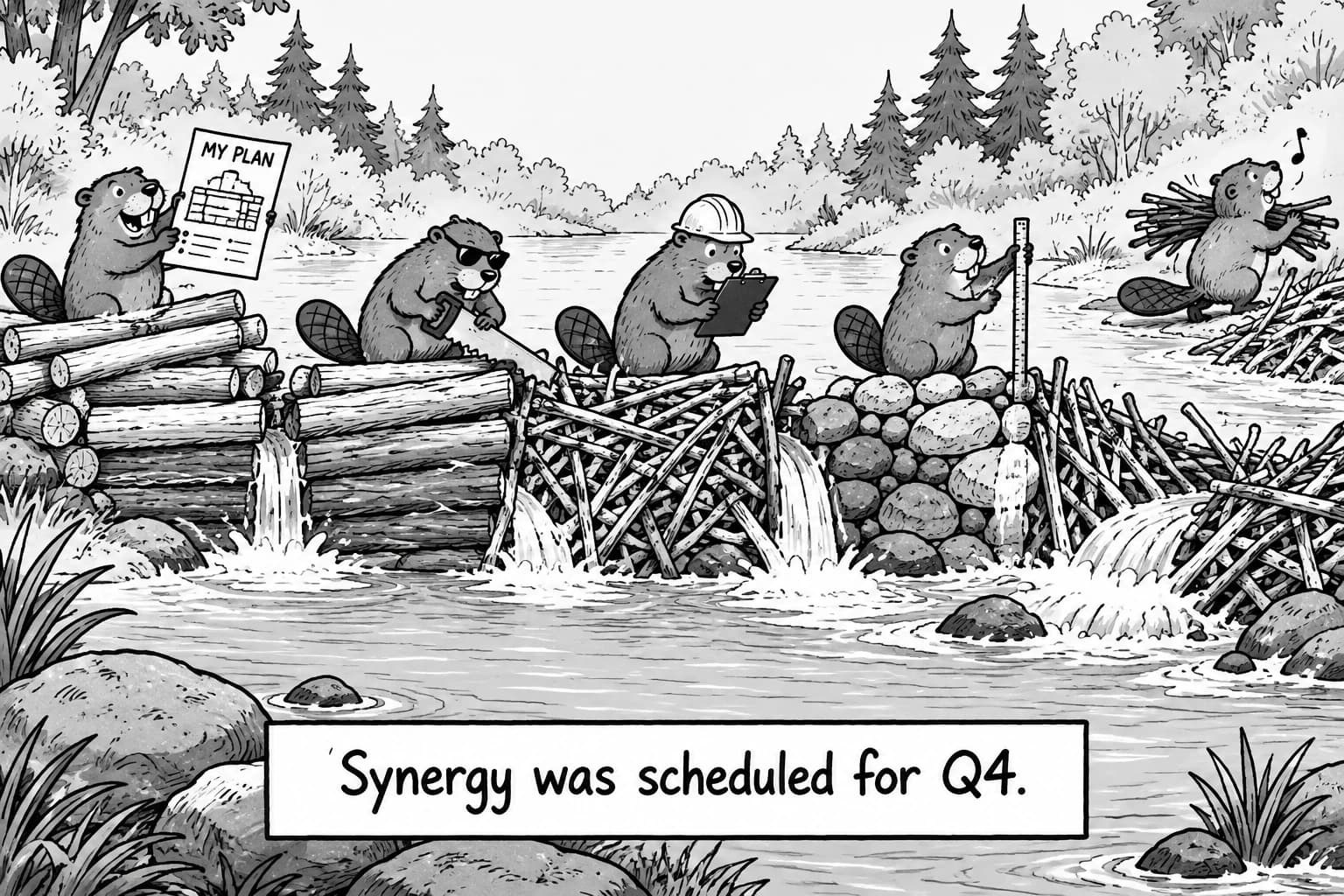
Knowledge Building Theory: Principles & Examples | Y2Map
Explore knowledge building theory, its principles, classroom examples, Knowledge Forum, and ways to improve shared ideas through collaborative inquiry.

What Is Knowledge Compilation? Stages & Examples | Y2Map
Learn how knowledge compilation turns declarative knowledge into procedural skill through practice, feedback, and cognitive skill acquisition.
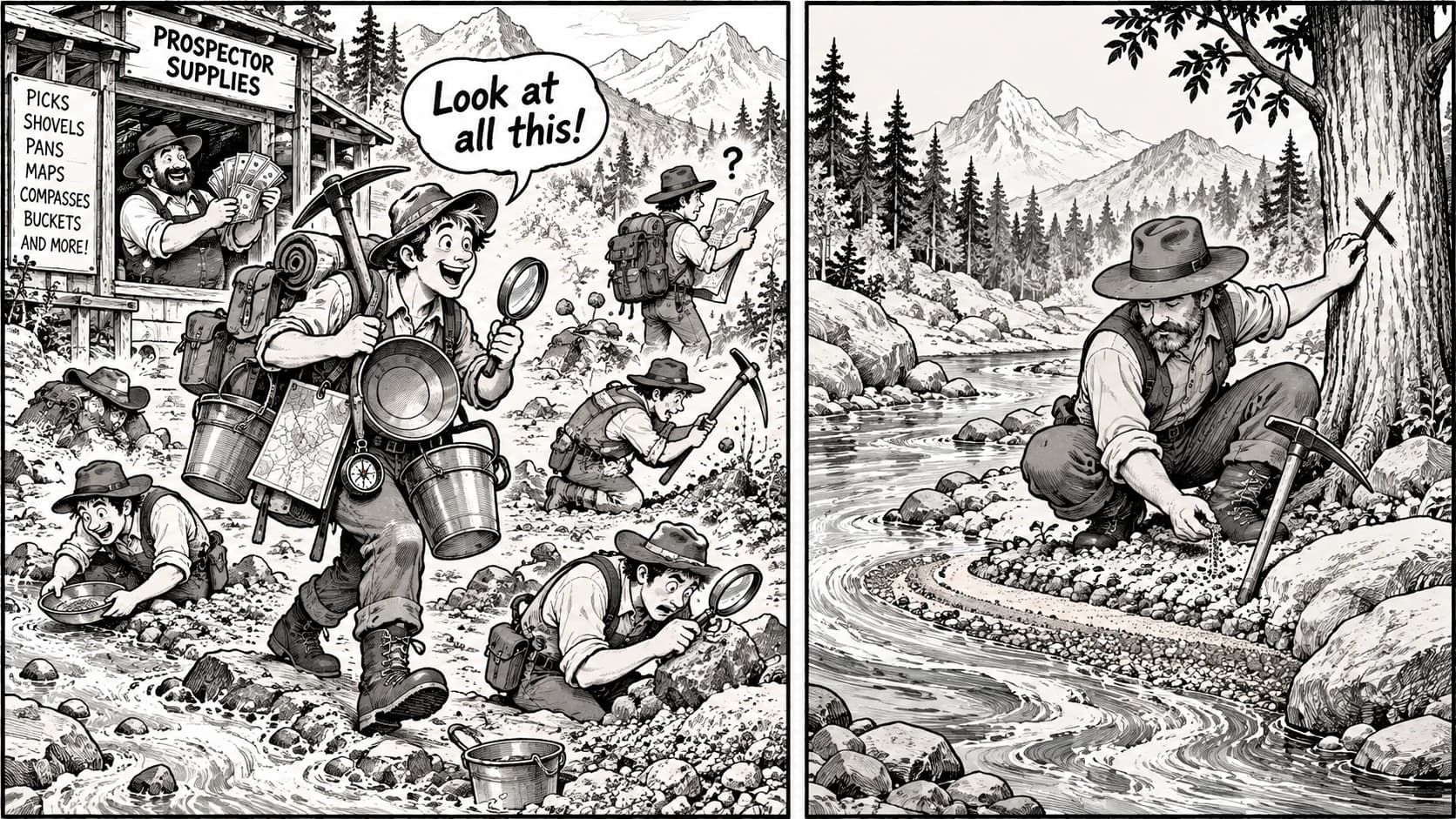
Levels of Processing: Stages & Examples | Y2Map
Levels of processing (Craik & Lockhart 1972): structural, phonemic and semantic encoding, self-reference and transfer-appropriate processing.
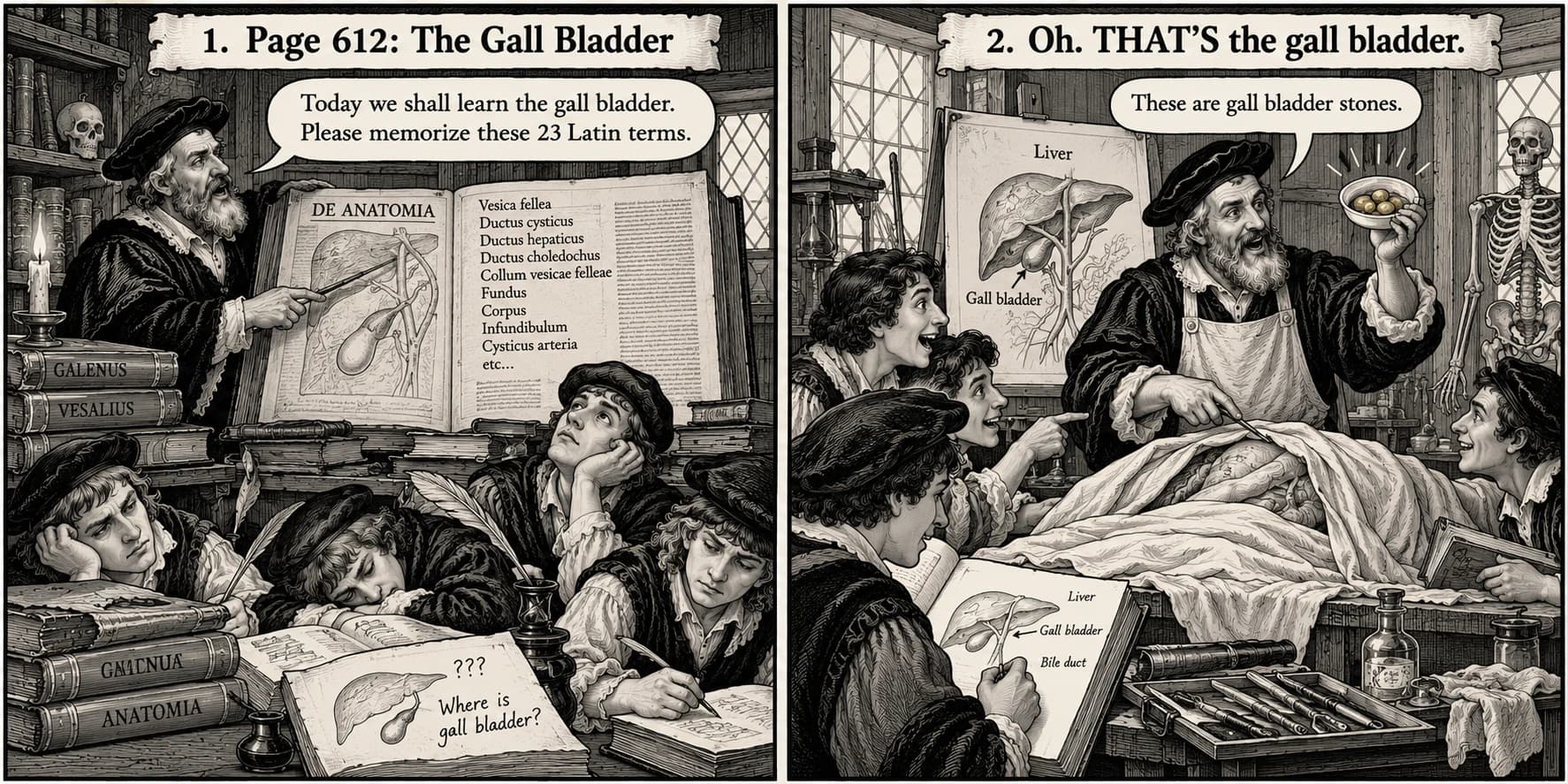
Picture Superiority Effect: Meaning & Study Uses | Y2Map
Picture superiority effect: why pictures beat words for memory (dual coding, distinctiveness). Effect sizes, boundaries and visual study workflows.
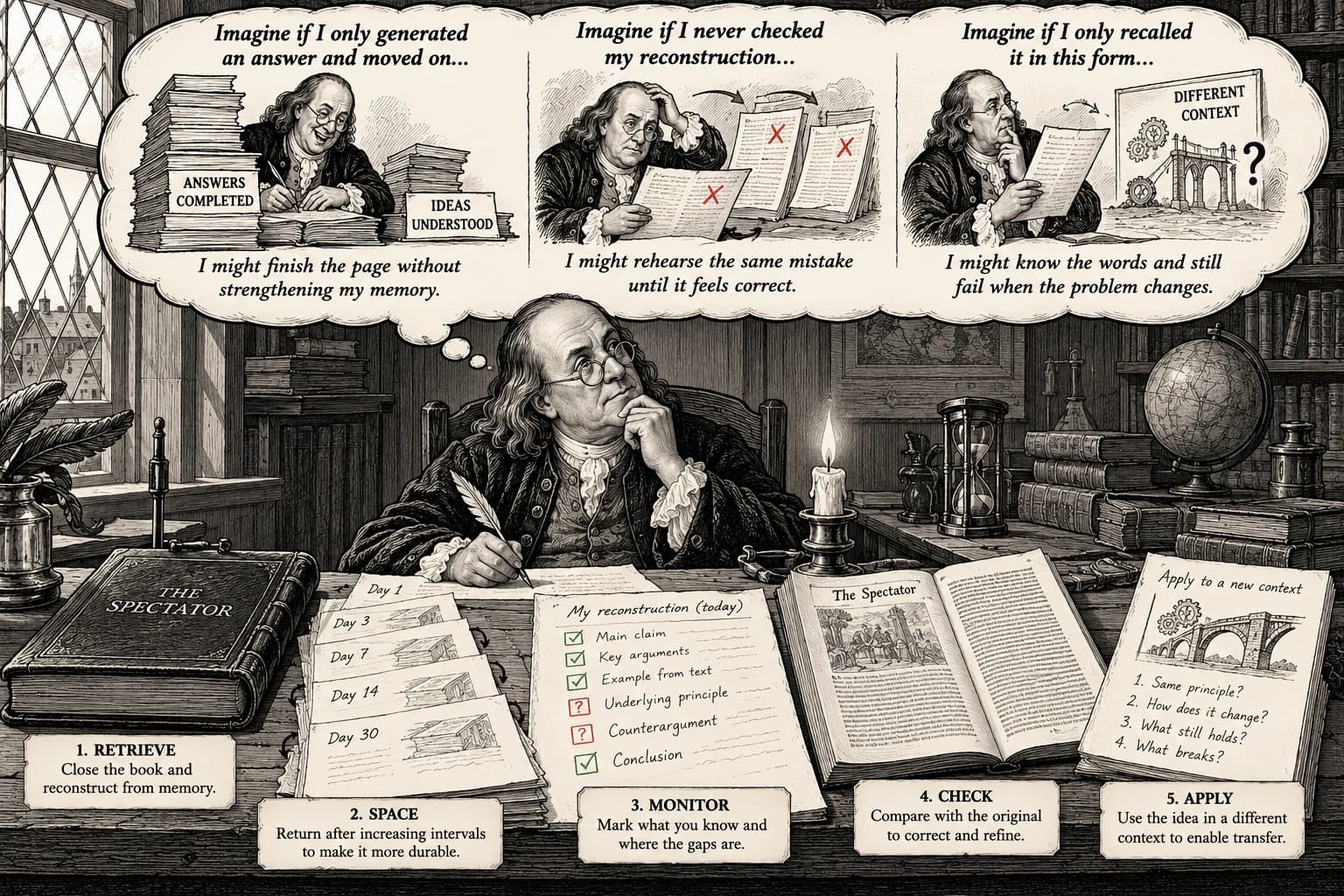
Retrieval Practice: Strategies, Examples, and Study Methods | Y2Map
Learn retrieval practice strategies, classroom examples, low-stakes quizzes, spacing, feedback, and ways to use self-testing for durable learning.

Scaffolding in Education: Examples & Strategies | Y2Map
Learn scaffolding in education simply: definition, examples and classroom uses, plus how y2map mind maps make it stick. Evidence-backed guide.
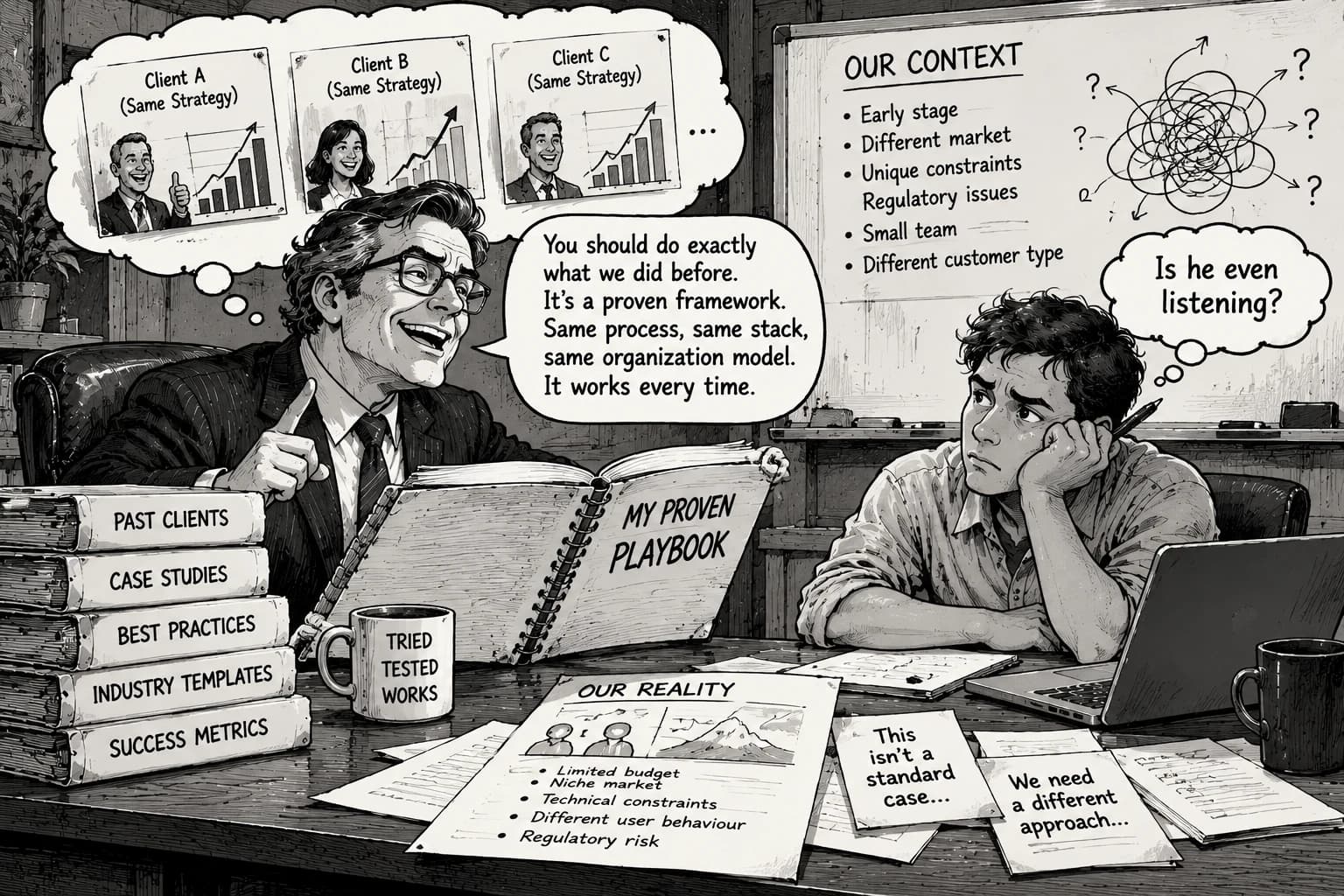
Schema Theory: How Prior Knowledge Shapes Learning and Memory | Y2Map
Learn what schema theory means, see everyday and classroom examples, and explore how prior knowledge shapes comprehension, memory, and teaching.
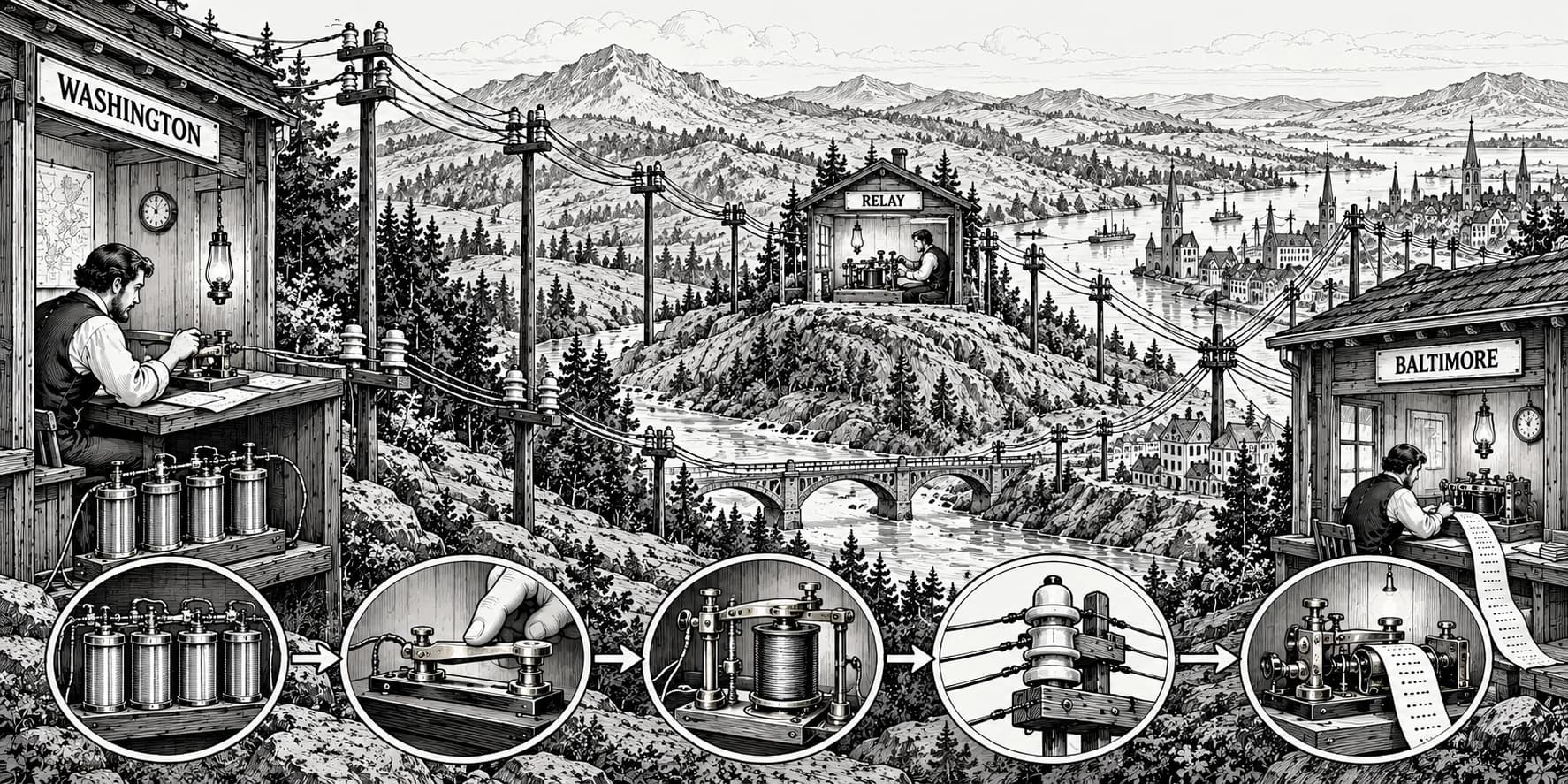
Semantic Network Models: Meaning & Examples | Y2Map
Learn semantic network models simply: definition, examples and classroom uses, plus how y2map mind maps make it stick. Evidence-backed guide.
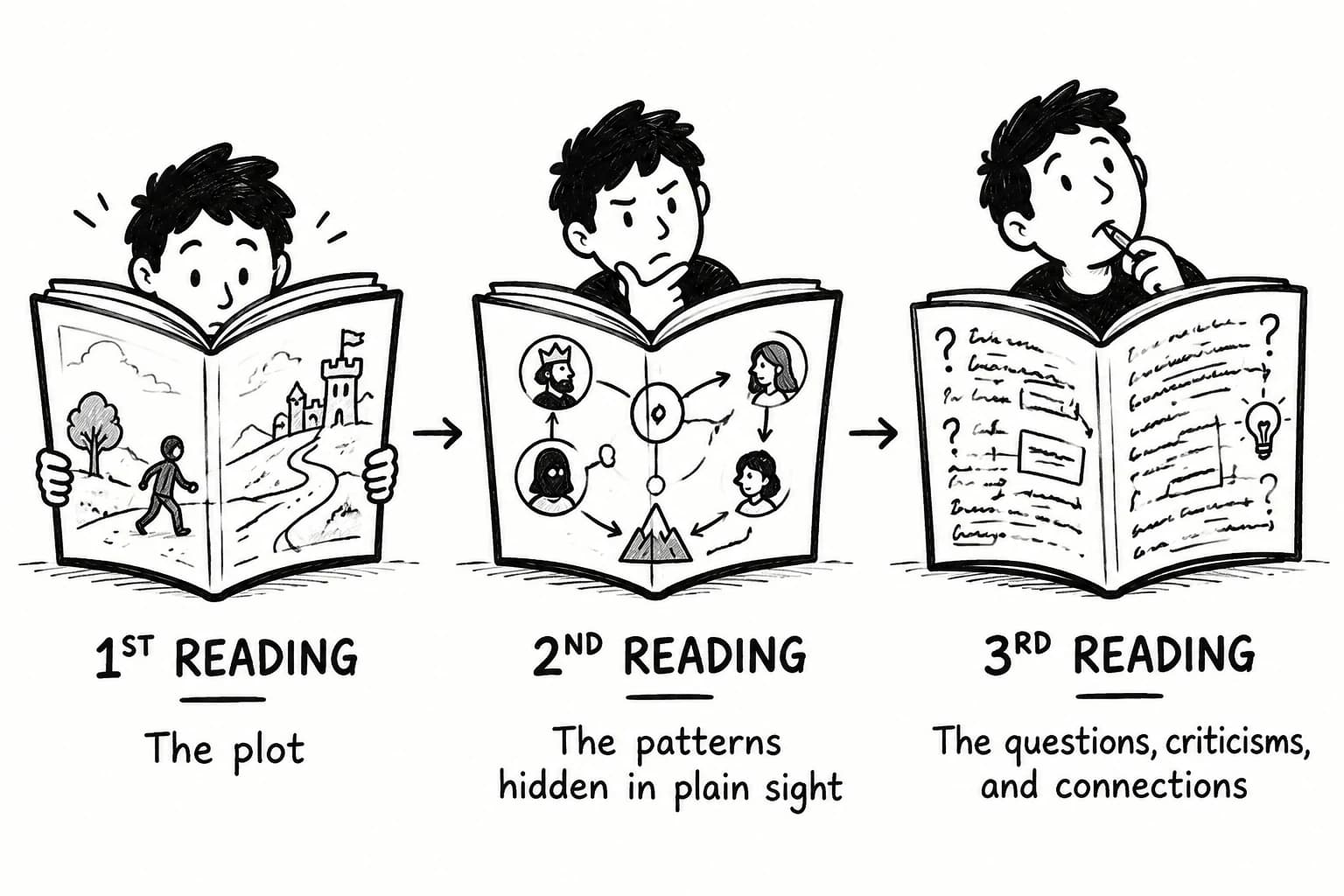
Spiral Learning: Bruner’s Spiral Curriculum and Examples | Y2Map
Learn spiral curriculum simply: definition, examples and classroom uses, plus how y2map mind maps make it stick. Evidence-backed guide.
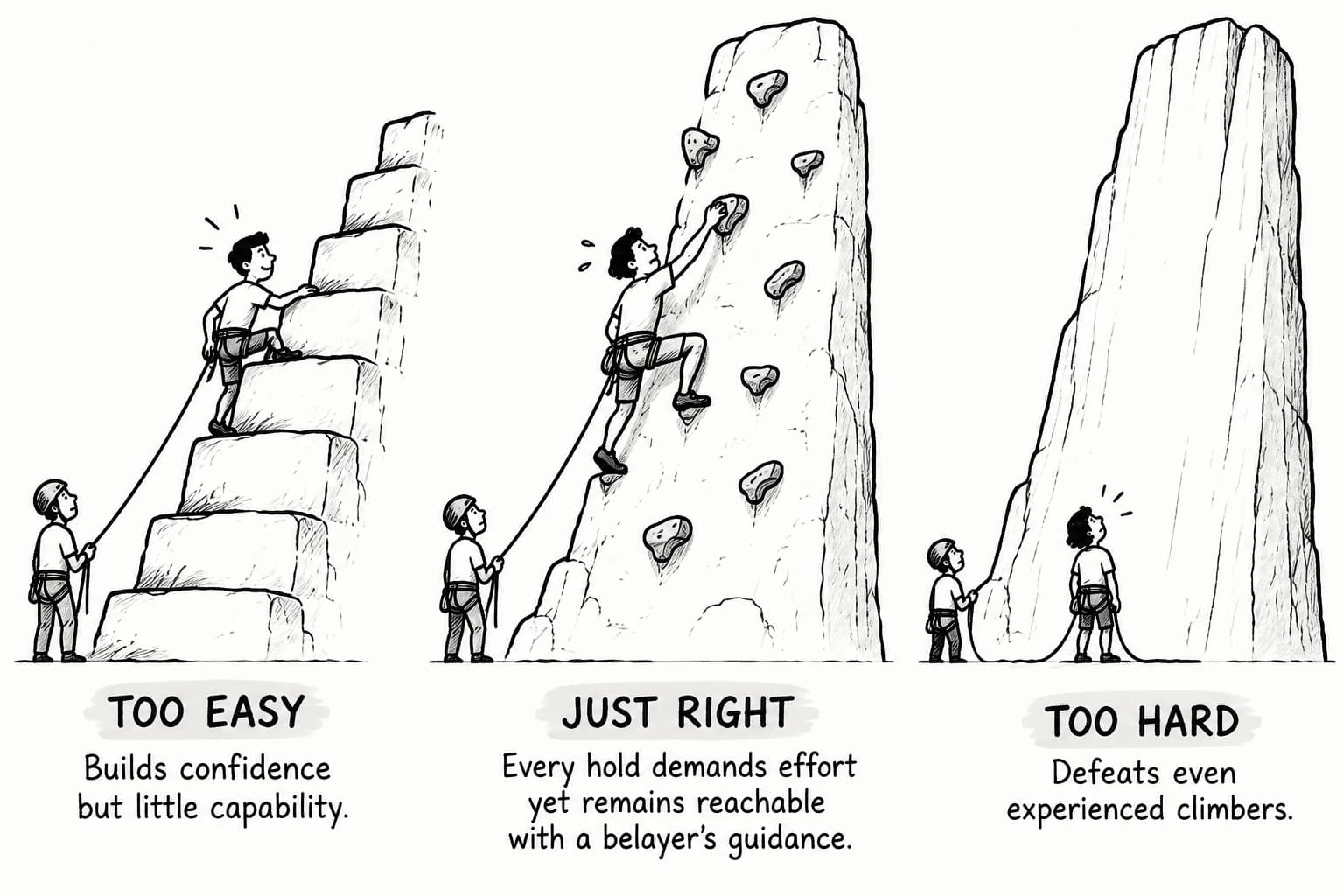
Zone of Proximal Development (ZPD): Vygotsky’s Theory and Examples | Y2Map
Learn Vygotsky’s zone of proximal development with examples, classroom strategies, scaffolding, dynamic assessment, and guided learning.