What Is Cognitive Load Theory? Why Working Memory Determines How Learning Happens
Long before John Sweller described Cognitive Load Theory (CLT) in 1988, master shipwrights understood that, much like Rome, no vessel was ever built in a day. Along the great Venetian Arsenal, the Royal Dockyards, and medieval shipyards of the Hanseatic ports, every ship began on a slipway with a single keel. Frames followed, then planking, decks, masts, rigging, and finally sails.
 Every stage revealed only the structure required for the next, preventing what we would today call context bloat. The slipway embodied instructional sequencing, progressive disclosure, knowledge dependencies, and schema construction centuries before educational psychology supplied the vocabulary.
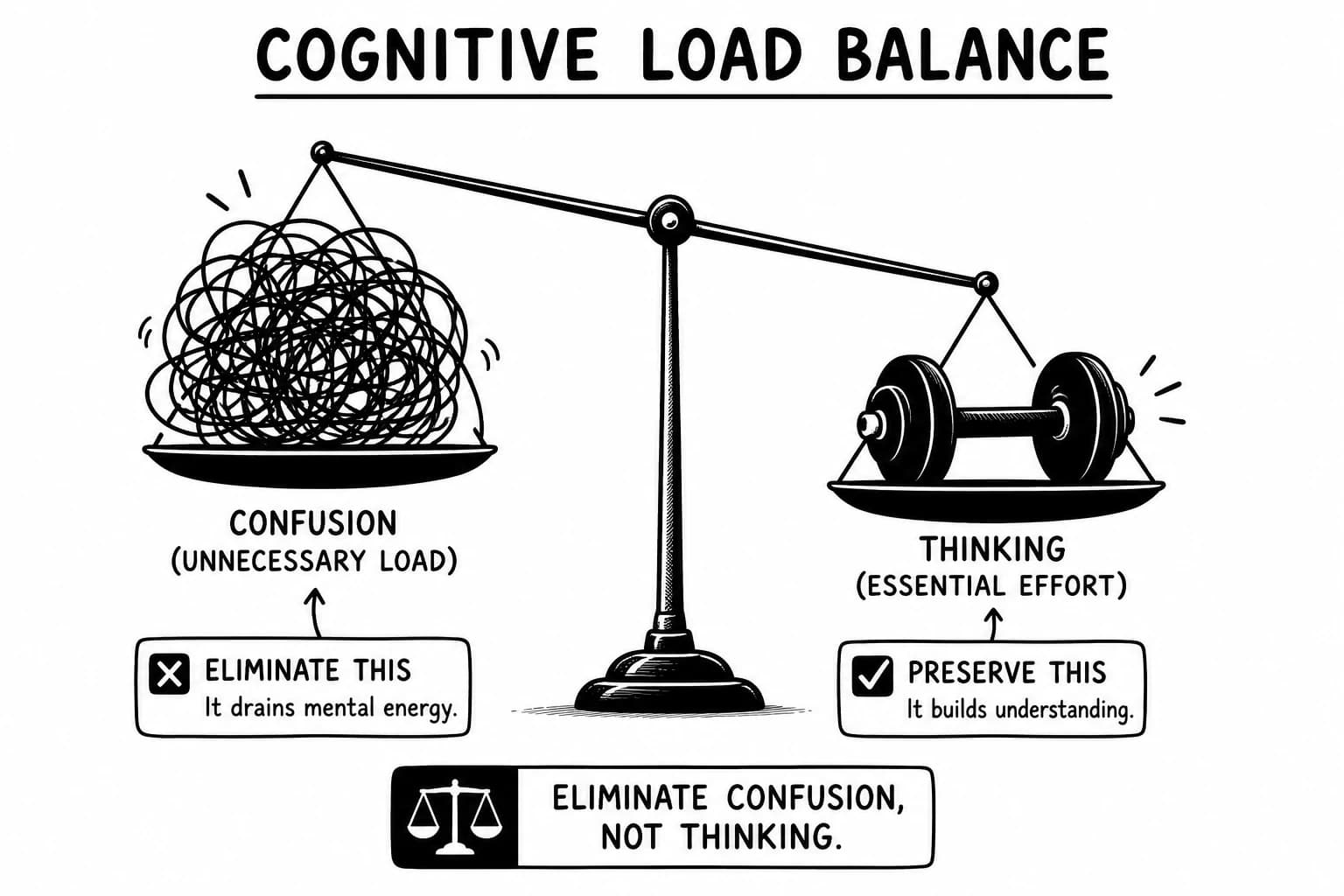
Human working memory is a limited-capacity cognitive system, typically processing only 4 ± 1 chunks of unfamiliar information at once, while long-term memory stores the schemas that allow experts to recognize patterns almost automatically. Effective instructional design, educational psychology, and the broader science of learning aim to reduce unnecessary mental effort without simplifying the subject itself. Like the master shipwright, good instruction cannot make the ship less complex. It simply ensures that learners never attempt to raise the mast before the keel exists.
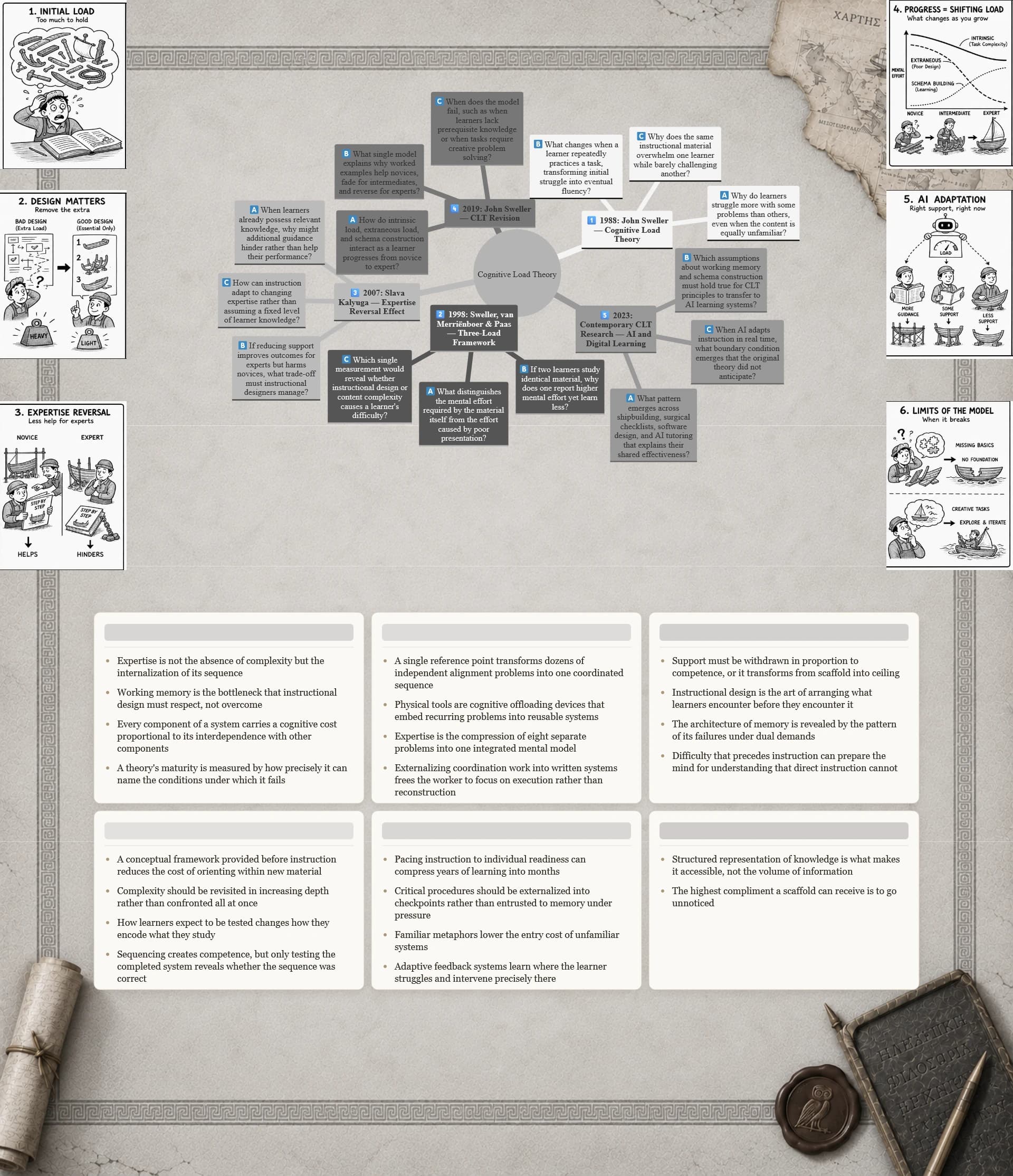
The Shipyard Slipway Explains Cognitive Load Theory
-
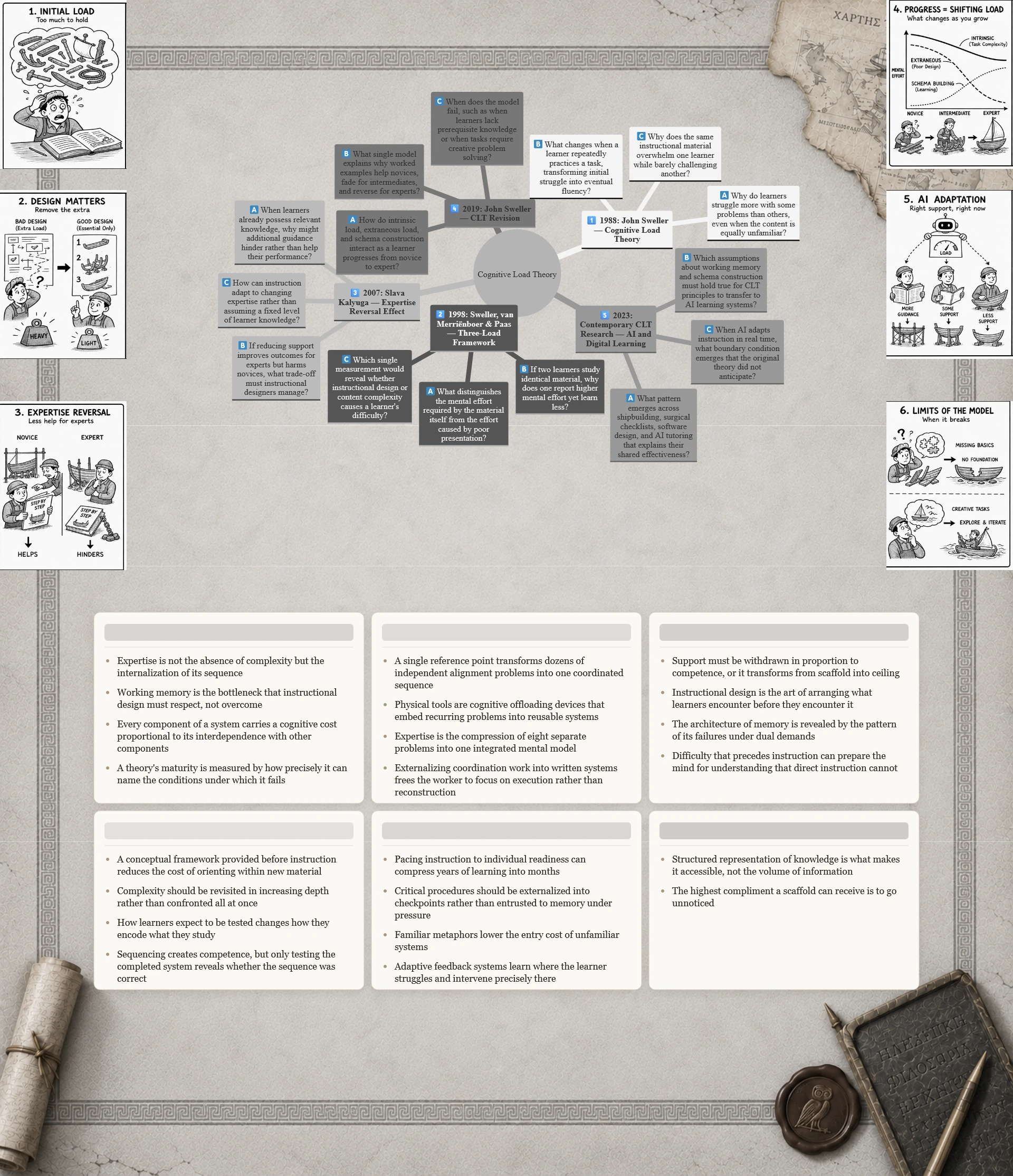
The ship's structure represents intrinsic cognitive load. Every additional frame, plank, mast, and rope increases element interactivity, intrinsic complexity, and the number of relationships that must eventually be understood together.
-
The slipway represents instructional sequencing. Effective instructional design, progressive disclosure, worked examples, and instructional scaffolding introduce complexity in the order required for successful schema acquisition.
-
The apprentice represents limited working memory. Novices rely on conscious working memory, while experts retrieve well-developed schemas, schema automation, and pattern recognition from long-term memory, dramatically reducing cognitive effort.
-
The master shipwright represents instructional efficiency. Better teaching improves learning efficiency by respecting human cognitive architecture, reducing extraneous cognitive load, and allocating attention toward meaningful schema construction.
-
The finished vessel represents expertise. Once construction is complete, the ship no longer depends on the slipway, just as successful learning gradually replaces instructional support through guidance fading, expertise reversal, and durable knowledge transfer.
History of Cognitive Load Theory: From Problem Solving to Modern AI Learning
| Year | Research Milestone & Historical Development | Key Cognitive Load Theory Concepts, Instructional Design & Learning Science |
|---|---|---|
| 1988 | John Sweller introduces Cognitive Load Theory (CLT) in Cognitive Science, arguing that instructional design should respect the limits of working memory. | Cognitive Load Theory, CLT, working memory, instructional design, human cognitive architecture, problem solving, means–ends analysis, schema acquisition |
| 1992–1994 | Fred Paas develops practical methods for measuring cognitive load, mental effort, and relative condition efficiency, allowing instructional effectiveness to be evaluated experimentally. | cognitive load measurement, mental effort, instructional effectiveness, relative condition efficiency, evidence-based instructional design |
| 1994 | Sweller refines the concept of intrinsic cognitive load, introducing element interactivity to explain why identical material differs in difficulty depending on learner expertise and prior knowledge. | intrinsic cognitive load, element interactivity, intrinsic complexity, learner expertise, instructional efficiency |
| 1998 | Sweller, van Merriënboer & Paas formalize the classic three-load framework, distinguishing intrinsic, extraneous, and germane cognitive load, linking them directly to schema formation. | intrinsic load, extraneous load, germane load, schema construction, schema automation, educational psychology |
| 2006 | Ayres extends CLT to mathematics and other domains with high element interactivity, strengthening its application to complex learning environments. | complex learning, instructional design, schema acquisition, intrinsic load, educational research |
| 2007 | Slava Kalyuga demonstrates the expertise reversal effect, showing that instructional guidance benefiting novices can become unnecessary—or even harmful—for experts. | expertise reversal effect, prior knowledge, learner expertise, instructional guidance, boundary conditions |
| 2011 | Sweller, Ayres & Kalyuga consolidate two decades of research into the definitive book on Cognitive Load Theory, establishing it as a cornerstone of the science of learning. | instructional psychology, science of learning, schema construction, human cognitive architecture, learning efficiency |
| 2019 | Sweller revises the theory, arguing that germane load is better understood as schema construction emerging naturally after reducing unnecessary extraneous load. | 2019 revision, Educational Psychology Review, schema automation, extraneous cognitive load, development of CLT |
| 2023 | Contemporary work revisits CLT through replication studies, AI-supported instruction, and digital learning environments while clarifying its boundary conditions. | AI learning tools, online learning, EdTech, instructional effectiveness, replication research, boundary conditions, evidence-based learning |
The Medieval Shipyard: How Simple Implements Tamed Overwhelming Complexity
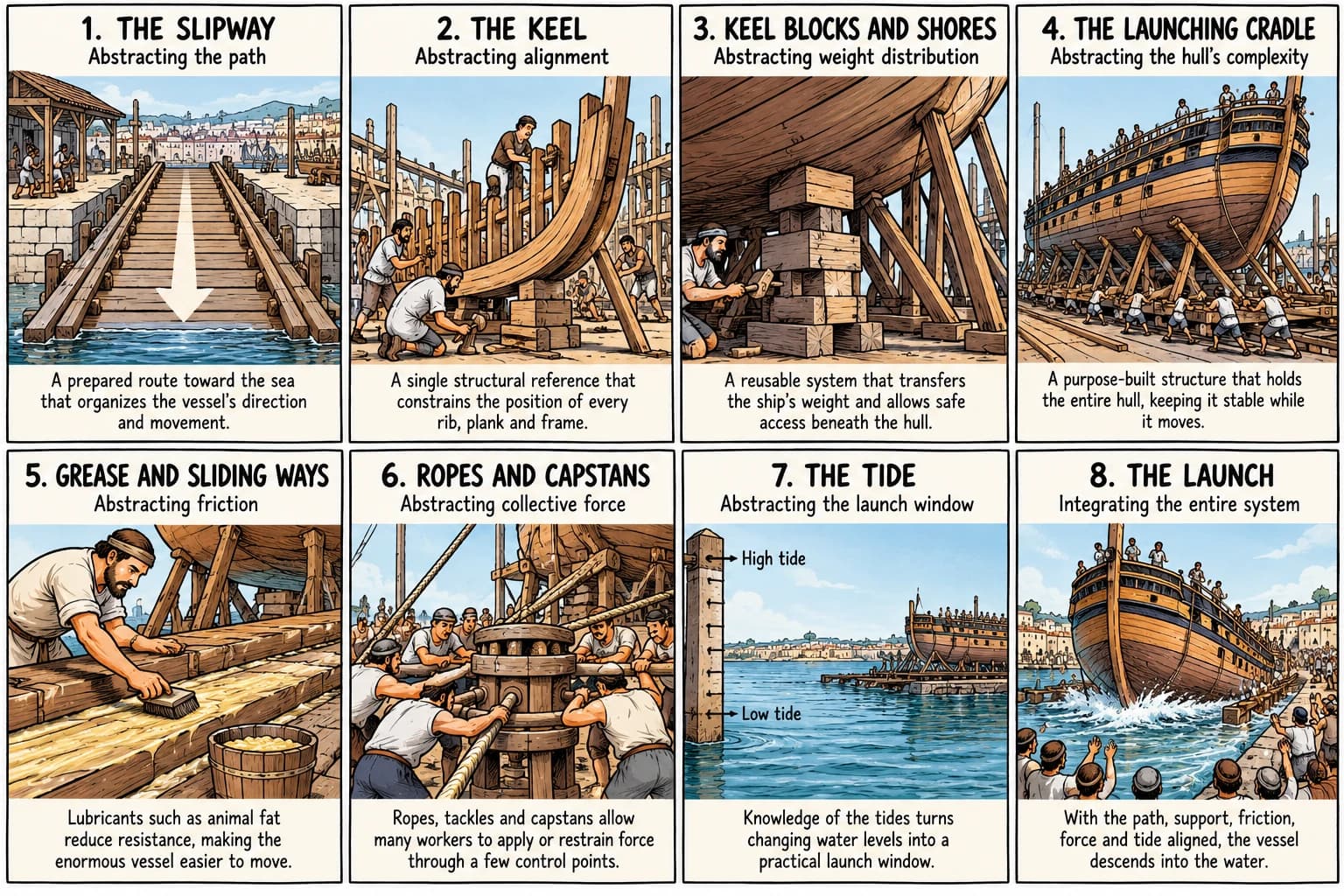
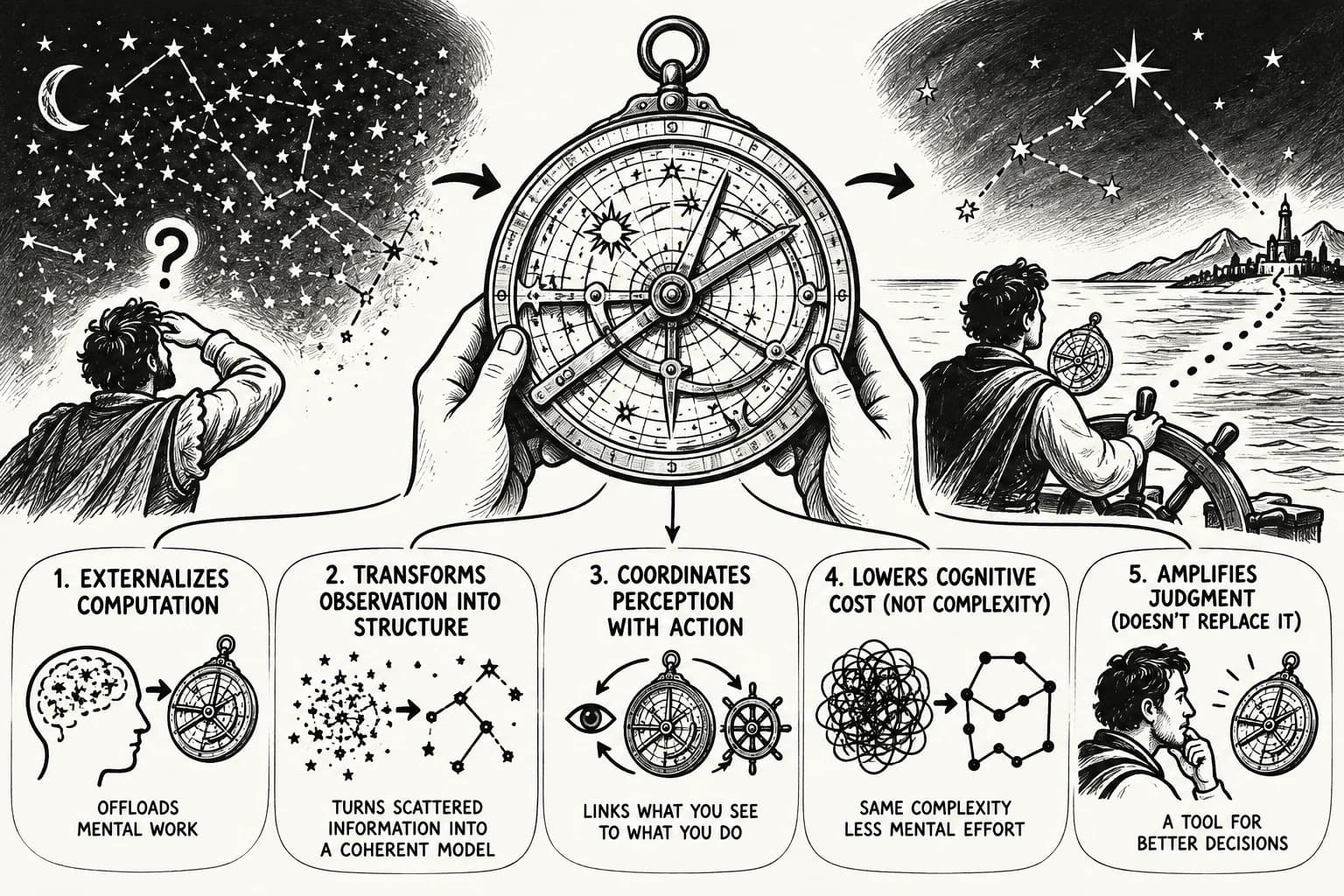
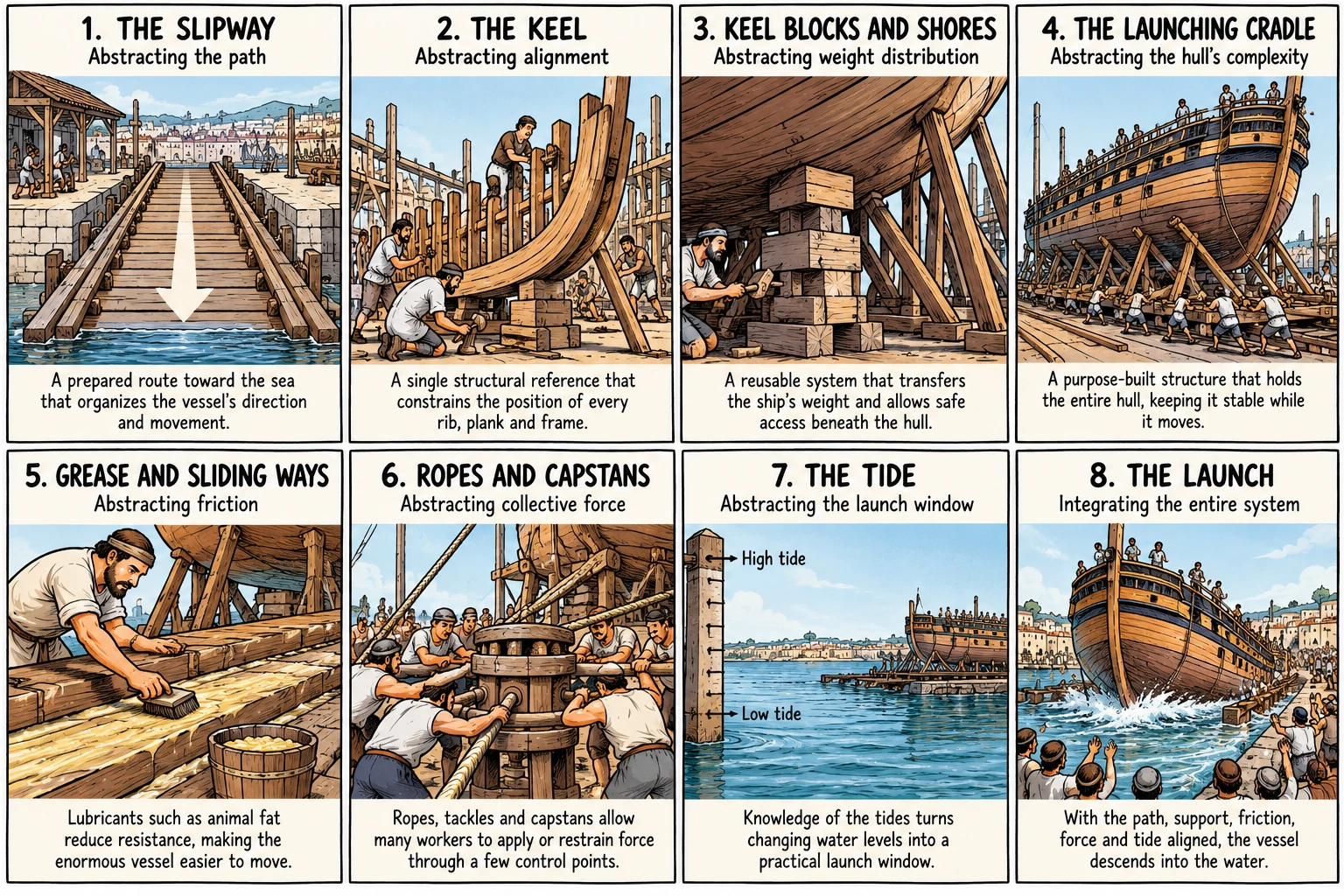
Each implement simplified a particular problem, allowing the master builder to organize dozens of interdependent decisions into a handful of familiar operations.
1. The Slipway — Abstracting the Path
By the early fifth century BCE, shipwrights at Zea Harbour in Piraeus were constructing permanent slipways, later supplemented by roofed shipsheds.
By preparing an inclined route toward the sea, they could establish the vessel's direction, accommodate its keel and organize its movement, the hull could also be assembled around a predetermined launching axis. It abstracted away questions about coordinating rollers, ropes, timber supports and organizing dozens of workers while preventing the keel from twisting or the hull from tipping.
2. The Main Timber and Keel — Abstracting Alignment
The Kyrenia merchant ship, built around 315 BCE and discovered off the coast of Cyprus in 1965 was built with a curved keel approximately 9.3 metres long, erected the bow and stern structures, then assembled successive rows of planking using tightly fitted mortise-and-tenon joints before installing the internal frames.
Each completed component constrained the position of the next, the keel supplied the central reference, while the growing planked shell progressively established the vessel's shape.
Without the keel as a single structural reference, every rib, plank, stem and sternpost introduced another alignment problem: a small error near the bow could propagate through the hull, leaving craftsmen with an increasingly uncooperative wooden puzzle.
3. Keel Blocks and Timber Shores — Abstracting Weight Distribution
In 1800, at Plymouth Royal Dockyard in England, shipwright Robert Seppings saw that a warship resting on conventional keel blocks needed extensive work beneath its hull, yet removing those blocks threatened to leave its enormous weight inadequately supported. He devised a system of three-part timber blocks that could be dismantled once angled shores had taken the load, allowing craftsmen to access the entire keel without repeatedly lifting and repositioning the vessel.
His invention illustrates cognitive offloading: by embedding the sequence of weight transfer and support removal into a reusable physical system, shipwrights could concentrate on repairing the hull while the blocks and shores handled the recurring problem of supporting it safely.
4. The Launching Cradle — Abstracting the Hull's Complexity
When Sir Thomas Slade’s HMS Victory was launched at Chatham Royal Dockyard, England, on 7 May 1765, shipwrights faced the formidable challenge of moving an enormous, irregularly shaped wooden warship into the River Medway without damaging its keel, distorting its hull or allowing it to topple. A surviving contemporary model depicts the solution: a purpose-built timber launching cradle, supported by sliding ways and stabilizing poles, that transferred the hull’s weight onto a guided structure.
5. Grease and Sliding Ways — Abstracting Friction
Shipwrights applied lubricants such as animal fat to the bearing surfaces, reducing resistance between the cradle and the slipway. The enormous challenge of moving a heavy vessel became more manageable through a prepared sliding interface, although builders still had to account for load, slope and the risk of uncontrolled acceleration.
6. Ropes and Capstans — Abstracting Collective Force
Heavy ropes, tackles and capstans allowed craftsmen to apply or restrain force through organized mechanical systems. Where such equipment was used, many workers could coordinate their efforts around a few control points, making a massive vessel's movement easier to manage.
7. The Tide — Abstracting the Launch Window
The master shipwright had to judge when the water would be deep enough to receive the descending hull, accounting for the vessel's draft, the slipway's gradient and local tidal conditions. Knowledge of the harbor transformed changing water levels into a practical launch window.
8. The Launch — Integrating the Entire System
Once the hull was supported, the ways lubricated, the restraints prepared and the tide judged suitable, the master could direct the removal of the remaining restraints and initiate the launch. Craftsmen performed their assigned operations in sequence while the vessel descended into the water.
From Eight Implements to One Mental Model
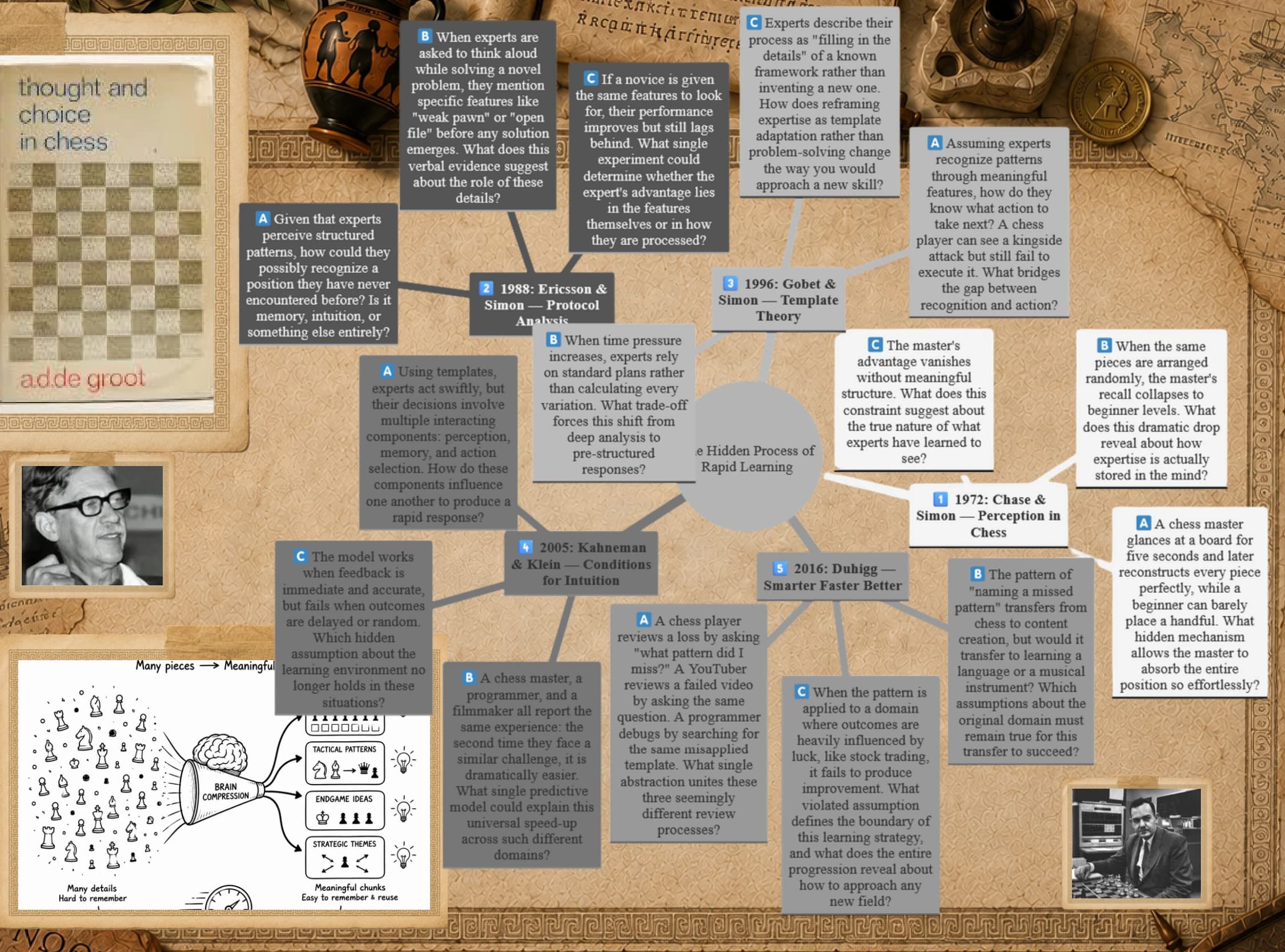
An apprentice might see the slipway, keel, supports, cradle, grease, ropes, tide and workers as eight separate problems, each demanding attention while every other problem threatened to change. The experienced master recognized how they fitted together: a prepared path, a supported hull, controlled movement and a suitable arrival in the water.
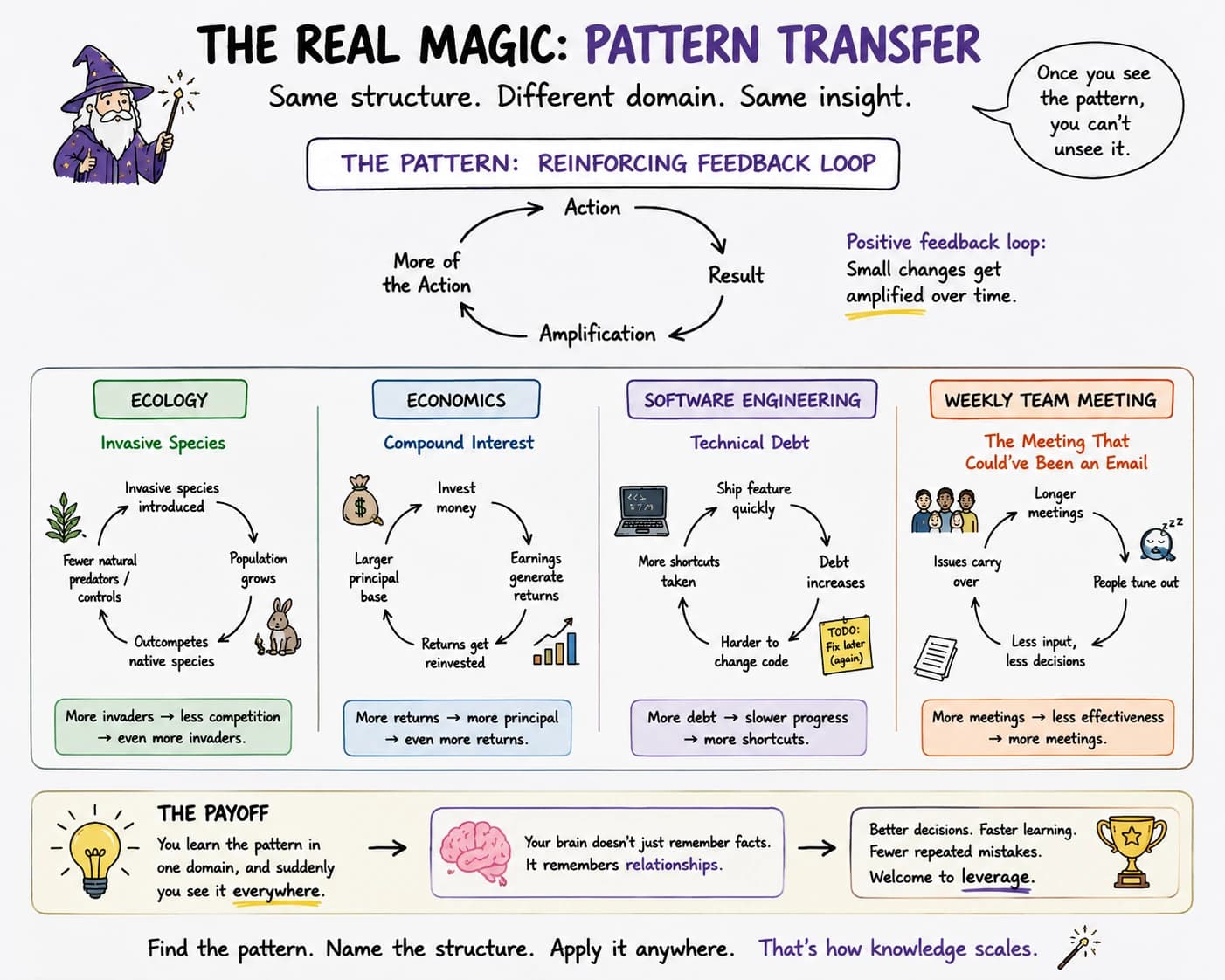
That is the practical power of schema acquisition and automation. Repeated experience organizes individual operations into larger patterns, reducing the demands on working memory and freeing attention for the stubborn surprises that even a well-prepared shipyard cannot eliminate.
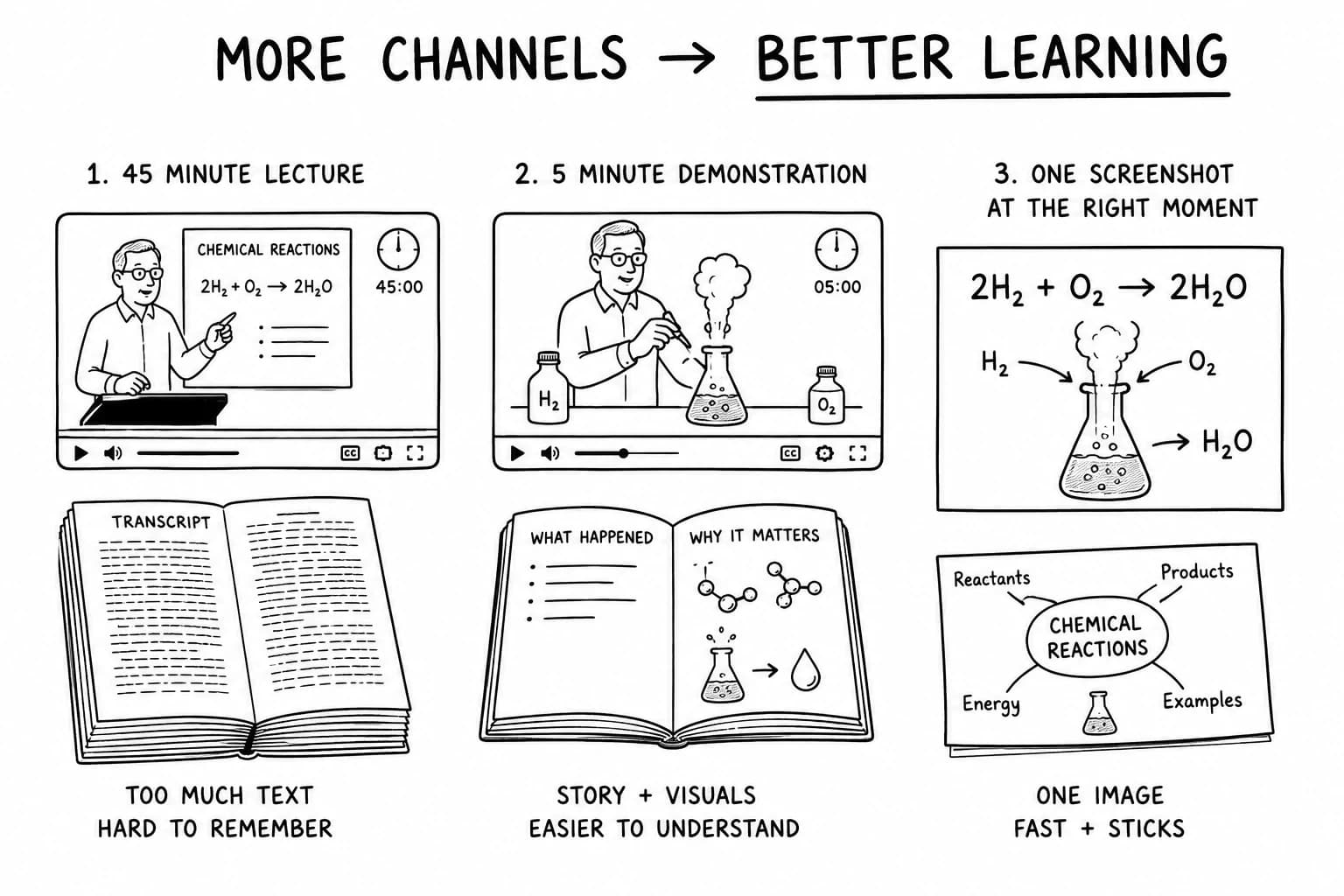
Cognitive Load Theory Effects, Does it Actually Work?
Cognitive Load Theory predicts that reducing extraneous cognitive load improves learning efficiency, but effects depend on element interactivity, prior knowledge, and working memory limitations.
What Causes Cognitive Overload and How Do You Reduce Extraneous Load?
Frederick Winslow Taylor saw that 19th century workers frequently had to stop their machines, find a supervisor, locate the correct tools and determine what to do next. Taylor introduced a planning system in which specialists prepared written instruction cards specifying the task, necessary tools, operating procedures and expected completion time. Instead of requiring workers to repeatedly reconstruct the entire workflow, the system made essential information available before work began.
| Compounding System | What Frederick Winslow Taylor Did → Your Next Rep |
|---|---|
| Consistency | Make integration the environmental default. Taylor's planning department combined instructions from several specialists into a single card containing the information needed to complete a machining task. |
| Skills | Remove unnecessary difficulty without removing the skill itself. Taylor separated planning information from the physical execution of machining, providing workers with task-specific instructions and access to specialist guidance. |
| Discipline / Grind | Measure performance and refine the system. Taylor used time studies, written instructions and daily work reports to identify operational problems and revise procedures. |
Do Worked Examples Actually Work? Guidance Fading and Expertise Reversal Explained
Educational researcher Allan Collins wanted to make expert thinking visible through modeling, coaching, scaffolding and fading. Novices first observed an expert demonstrating a task and explaining the decisions involved. They then attempted the task with guidance, gradually taking over responsibility until they could perform independently.
| Learner Stage | What Allan Collins Did → Your Next Rep |
|---|---|
| Novice — Low Prior Knowledge | Model expert reasoning before demanding independent solutions. Collins and his colleagues proposed making otherwise invisible thinking observable through expert demonstrations. |
| Intermediate — Developing Competence | Fade support as performance improves. Collins's cognitive apprenticeship model moves learners from observing demonstrations to attempting tasks with coaching, hints and progressively reduced scaffolding. |
| Expert — High Prior Knowledge | Replace routine demonstrations with independent problem solving. Collins's model transfers responsibility to learners through increasingly autonomous practice, reflection and exploration. |
How Does Mayer's Multimedia Learning Expand Working Memory? Split-Attention, Modality and Redundancy Examples
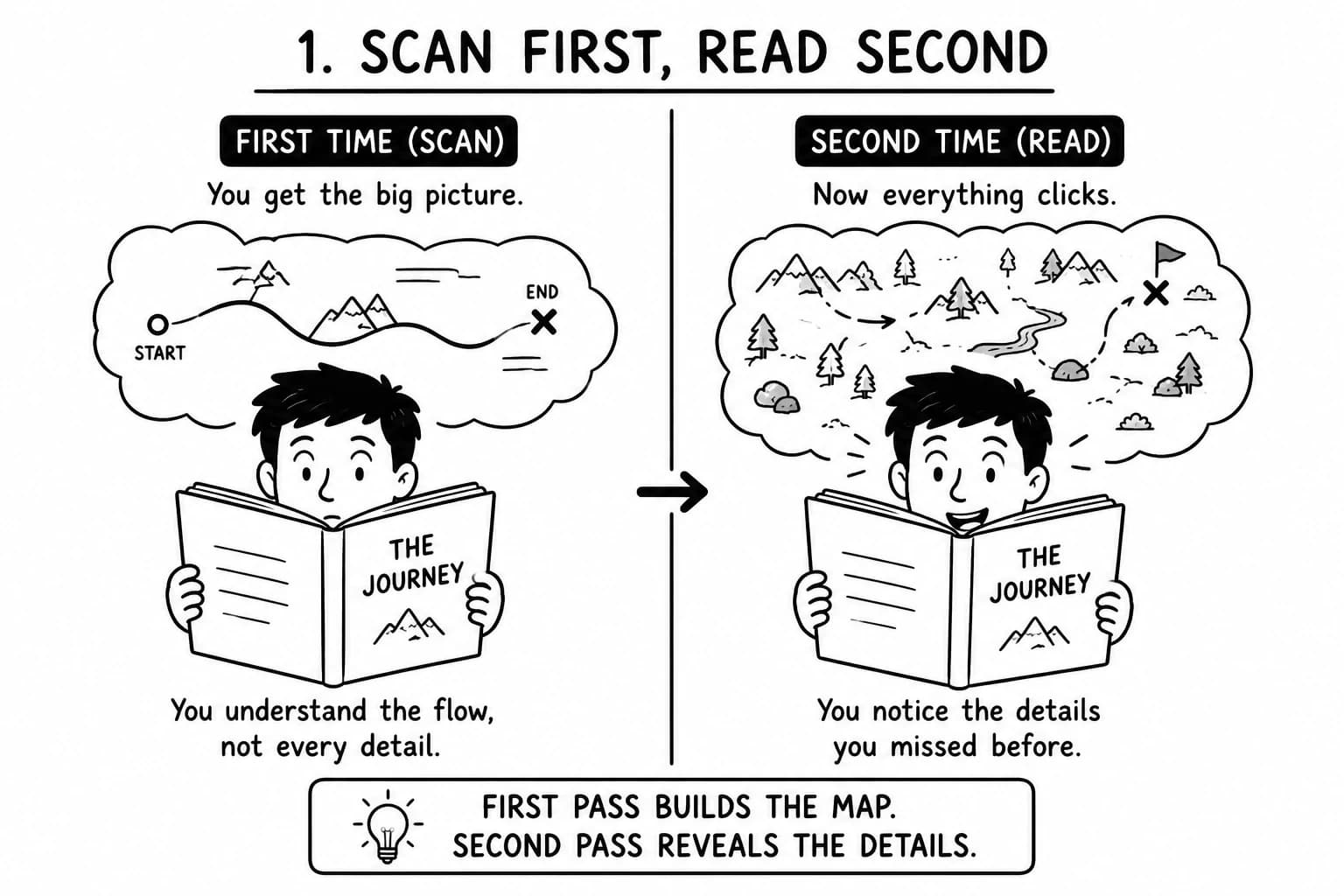
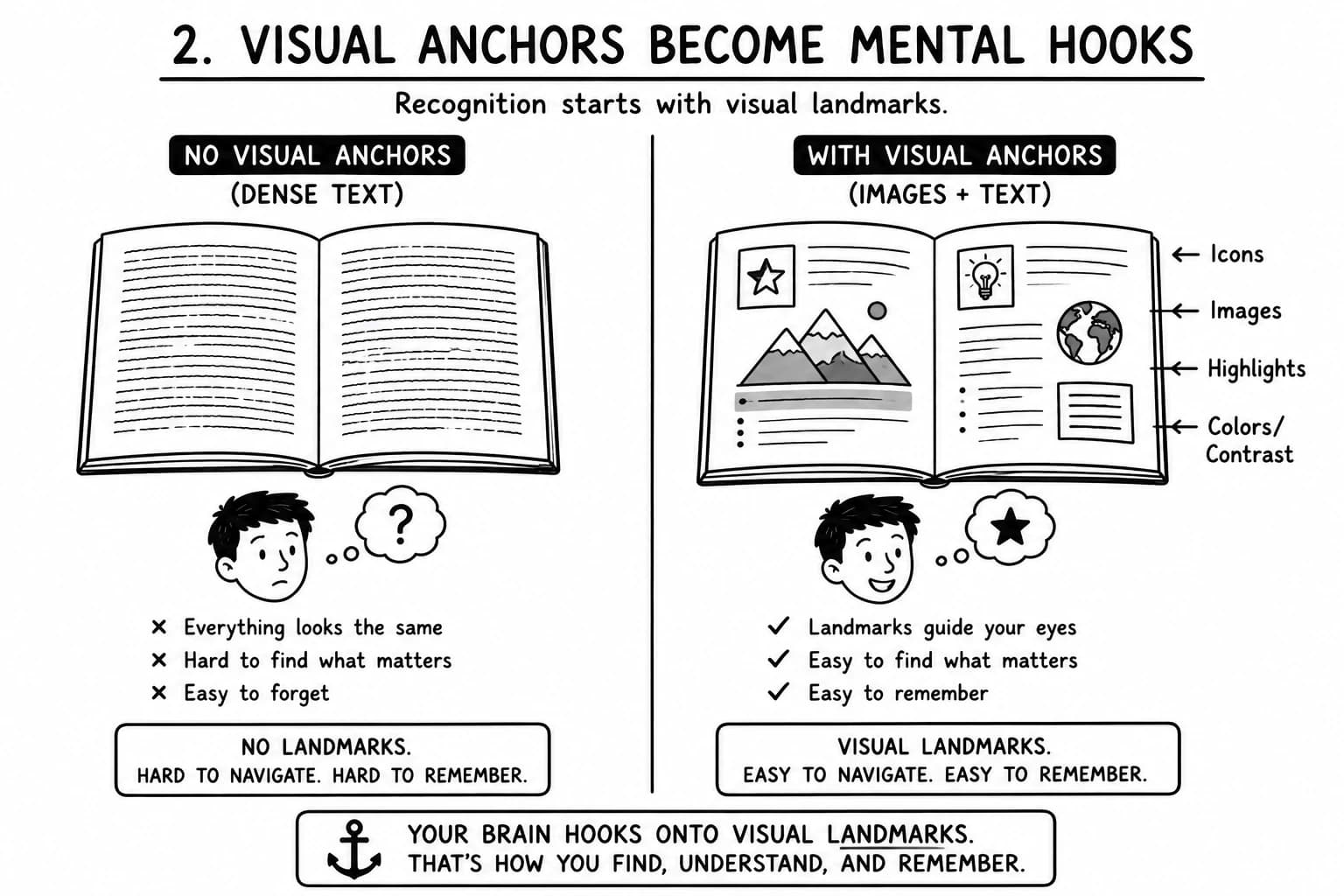
In The Conditions of Learning (1965), Gagné promotes a way to organize complex lessons around the learner's cognitive needs. Today, the various needs like capturing attention, stating objectives, activating prior knowledge, presenting material, providing guidance, eliciting practice and assessing performance are much easier to do using multimedia formats of education.
| Mayer Principle in Action | What Robert Gagné Did → Your Next Rep |
|---|---|
| Spatial + Temporal Contiguity, Signaling | Direct attention to the relevant information. Gagné's instructional framework included gaining attention, presenting material and providing learning guidance. |
| Modality + Voice + Personalization | Choose complementary ways to communicate information. Gagné distinguished presenting instructional material from providing guidance and eliciting learner performance, allowing different instructional activities to serve different purposes. |
| Coherence + Segmenting + Pre-training | Establish prerequisites before introducing complexity. Gagné emphasized stating learning objectives, activating prior knowledge and organizing instruction around prerequisite skills. |
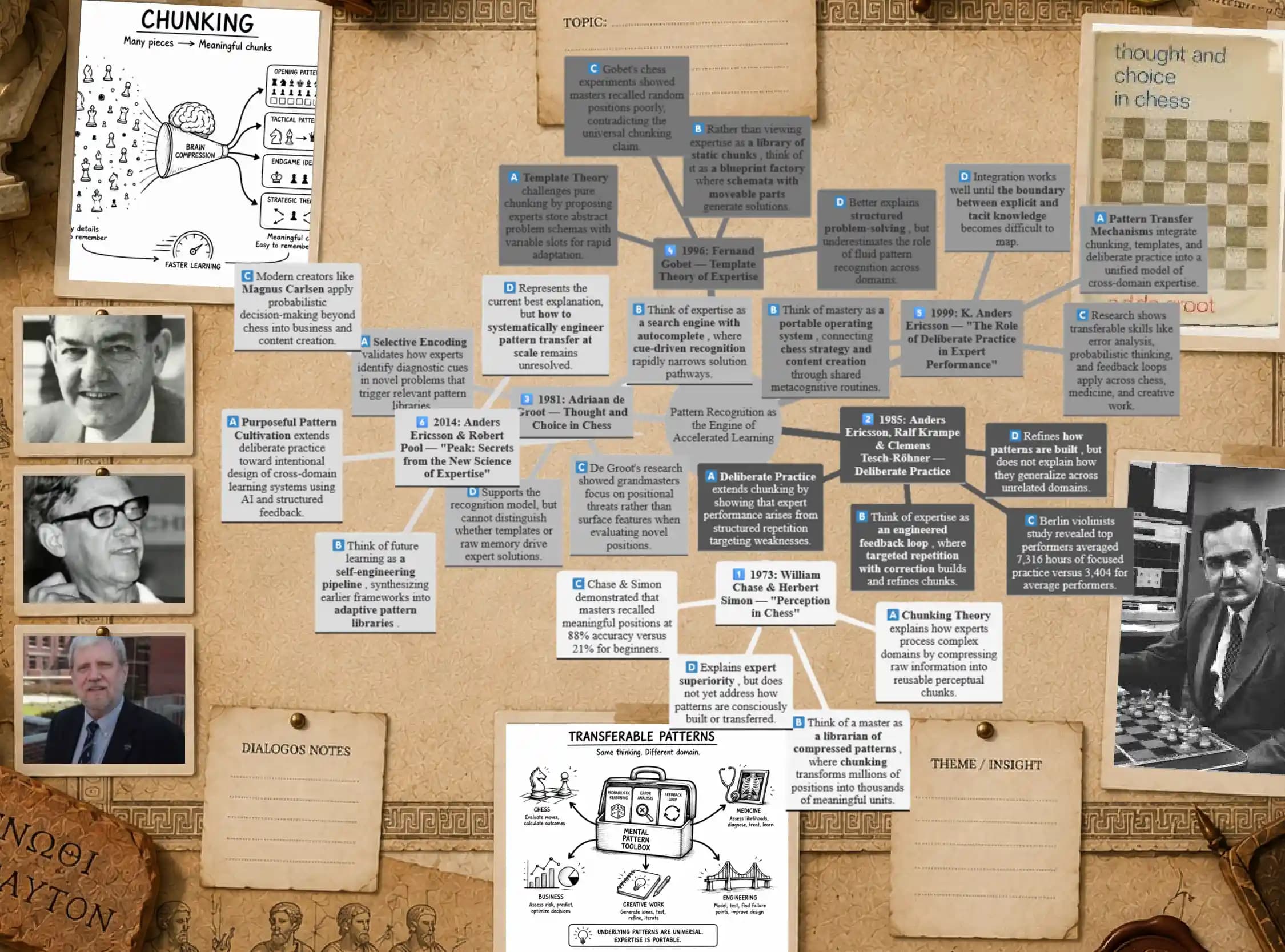
Why Is Working Memory Limited? Baddeley's Model, Chunking and Neuroscience in Simple Terms
Alan Baddeley and Graham Hitch in 1974 led a set of dual-task experiments which helped establish a model in which working memory consists of interacting components: the central executive, which coordinates attention; the phonological loop, which temporarily maintains verbal information; and the visuospatial sketchpad, which maintains visual and spatial information. Baddeley later introduced the episodic buffer in 2000 to explain how information from these systems and long-term memory could be integrated into coherent representations.
| Limitation — Feedback Loops | What Alan Baddeley Did → Your Next Rep |
|---|---|
| Limited Capacity, High Element Interactivity | Baddeley and Hitch divided memory tasks into verbal and visuospatial demands, then tested recall while participants performed a second task. This chunk → retrieval check approach helped reveal separate working-memory components and the limits of the central executive. |
| Cognitive Architecture Overload | Baddeley and Hitch asked participants to remember sequences of digits while simultaneously performing reasoning tasks, then measured how performance changed as memory demands increased. This task → recall → verification loop exposed interference between competing cognitive demands and demonstrated why unnecessary mental workload should be reduced. |
| Age and Capacity Differences | Baddeley investigated how verbal and visuospatial memory systems contribute to performance, later introducing the episodic buffer to explain how information is integrated with long-term memory. Comparing performance across different tasks and levels of support illustrates how scaffolding → independent recall → feedback can help identify a learner's changing support needs. |
Is Cognitive Load Theory Evidence-Based? Criticisms, Rival Theories and the Germane Load Controversy
When educational researcher Manu Kapur studied eleventh-grade science students in 2008, he observed that students who first tackled complex, poorly structured problems struggled to produce successful solutions. Yet they subsequently performed better on individual near- and far-transfer assessments than students who initially worked on well-structured problems. The practical distinction is to preserve productive difficulty, provide subsequent instruction and evaluate durable understanding.
| Criticism / Rival | What Manu Kapur Did → Your Next Rep |
|---|---|
| Germane Load Circularity | Kapur measured effort, checked comprehension and transfer and compared performance. He found that greater effort could accompany stronger conceptual understanding and transfer. |
| Motivation, Engagement and Familiarity | Kapur also identified improvements that persist beyond initial familiarity or enthusiasm. |
| Discovery, Inquiry and Authentic Learning | Kapur asked students to generate competing solutions and illustrated how productive difficulty can prepare learners for deeper conceptual understanding rather than merely increasing immediate task success. |
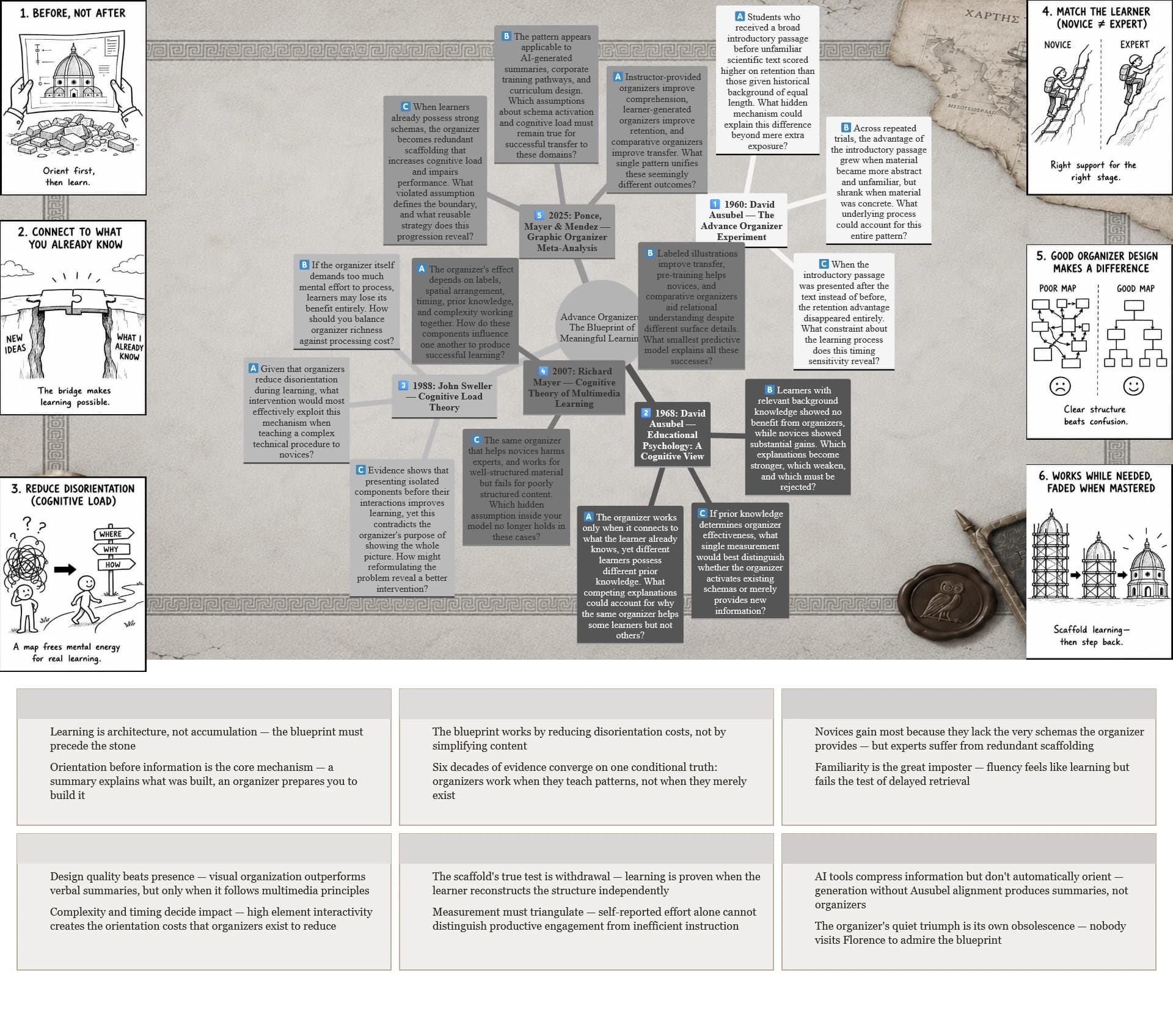
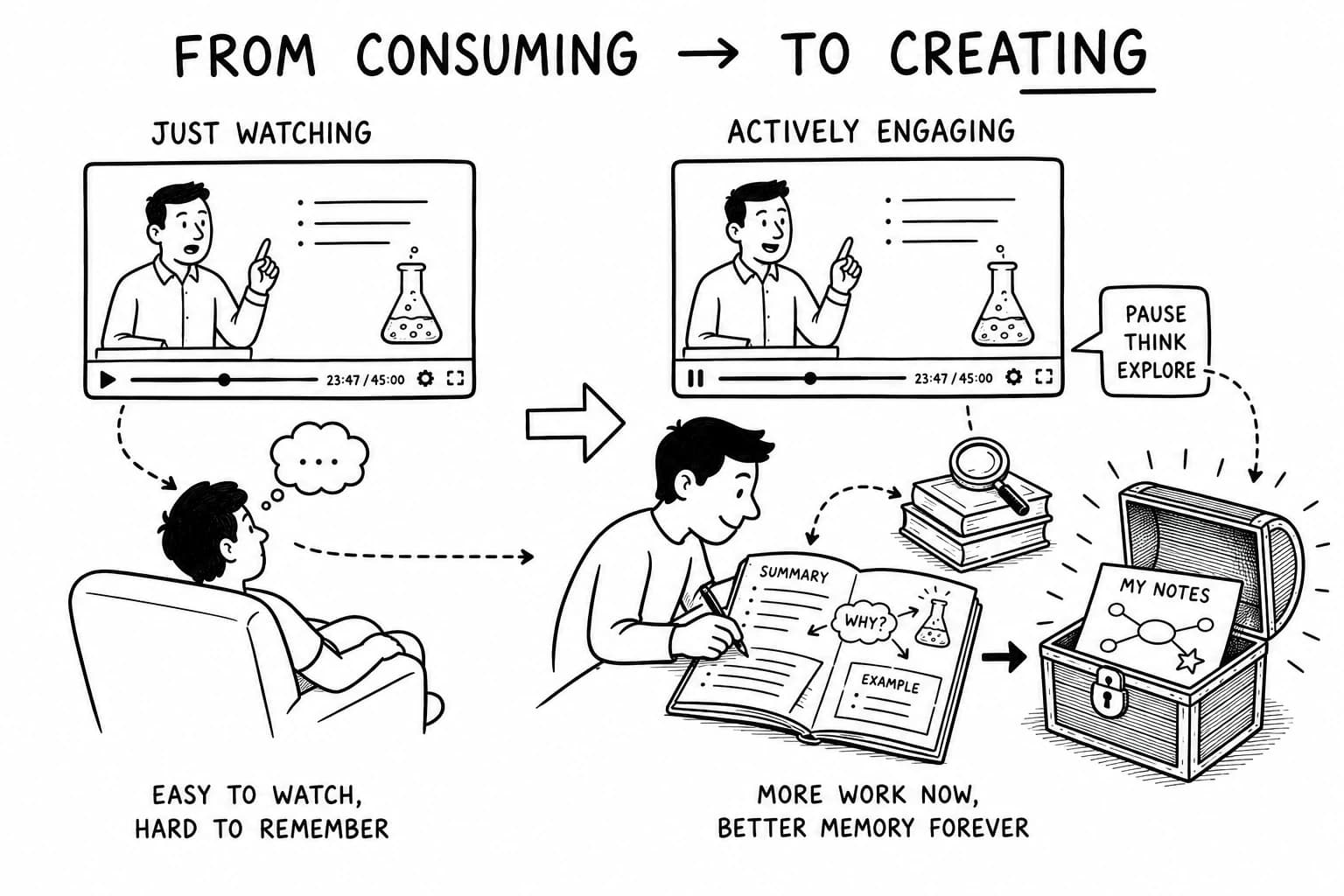
How Do Advance Organizers Reduce Cognitive Load? Summary, Mind Maps and Terminology Preview Explained
Advance organizers reduce extraneous cognitive load by giving learners a conceptual framework before instruction begins. The goal is to activate prior knowledge, reduce orientation costs, and help working memory organize new information into existing schemas.
| Effort Quality | What Richard Barron Did → Your Next Rep |
|---|---|
| Long Videos or Dense Textbooks | Barron arranged a lesson's key concepts into a structured overview - before students encountered the full material, then compared learning across instructional formats. |
| Too Many Unfamiliar Terms | Barron's method identified essential vocabulary, arranged terms by their relationships and connected unfamiliar ideas to students' prior knowledge. |
| Forgetting the Overall Structure | Barron compared graphic organizers, prose organizers and conventional instruction across seven grade levels, finding no significant differences in his study. |
Why Does Element Interactivity Matter? Complex Topics Benefit Most From Cognitive Load Theory
In The Process of Education (1960), Bruner proposed the spiral curriculum: introduce a subject's foundational concepts in an accessible form, then revisit them at progressively greater levels of complexity. Instead of confronting every interacting element simultaneously, learners could build on an increasingly organized understanding of the subject. Subjects like mathematics, physics, medicine, programming, and systems thinking contain many interacting elements, so reducing unnecessary cognitive load produces the largest improvements.
| Sustainable Performance | What Jerome Bruner Did → Your Next Rep |
|---|---|
| Large Interconnected Concepts | Bruner's method abstracted away a lot of the complexity by focusing on the foundations |
| Complex Procedures | Bruner proposed introducing difficult concepts through accessible representations before progressing toward formal and abstract explanations. |
| Overwhelmed by Relationships | Bruner emphasized allowing new information to be introduced gradually and related meaningfully to existing knowledge. |
Are Better Results Really Due to Cognitive Load? Motivation, Encoding Specificity and Depth of Processing
In 1973, cognitive psychologist Barbara Tversky investigated whether people study information differently depending on how they expect to be tested. Participants performed better on the type of test they expected. Furthermore, recognition benefited from encoding details within individual items, whereas recall benefited from establishing relationships between items.
| Alternative Explanation — Calibration | What Barbara Tversky Did → Your Next Rep |
|---|---|
| Visual vs. Verbal Encoding | In a separate 1969 study, Tversky found participants adapted their encoding to the task, showing that representation format, not just cognitive load, influences memory performance. |
| Encoding Specificity | Tversky compared anticipated recognition and free-recall tests, measuring how preparation affected subsequent retention. She found that matching encoding to retrieval demands improved performance, demonstrating why an apparent learning failure may require different retrieval cues rather than simpler instruction. |
| Depth of Processing | Tversky examined whether participants encoded details within individual items or relationships between items, then compared recognition and recall. Her findings showed that relational encoding supported recall, illustrating why elaboration and the type of processing matter alongside cognitive efficiency. |
The Shipyard as a Lesson in Instructional Sequencing
When Dutch master shipwright Henrik Hybertsson began constructing the Swedish warship Vasa at Stockholm’s Skeppsgården in 1626, he faced the challenge of coordinating hundreds of craftsmen building a vessel that would eventually carry 64 cannons and ten sails. Construction followed a sequence of dependencies: the keel established the central reference, the growing hull provided the foundation for decks and upper structures, and the nearly completed hull was launched in spring 1627 before craftsmen spent another year finishing its rigging, armament and equipment.
This sequence illustrates instructional scaffolding and progressive disclosure: an apprentice learning to position hull timbers could first master the keel's geometry, then understand how successive components established the vessel's shape, before confronting the additional complexity of masts, rigging and sails. Each mastered stage could become a reusable schema, reducing the number of unfamiliar relationships competing for limited working memory.
Modern AI learning tools can apply the same principle through advance organizers that establish the conceptual keel, mind maps that reveal structural dependencies, and adaptive learning systems that introduce increasingly complex material as prerequisite knowledge develops.
Vasa also demonstrates the limits of sequencing: despite its orderly construction, the dangerously unstable warship sank on its maiden voyage on 10 August 1628, illustrating why instructional design must combine manageable learning stages with opportunities to test whether the completed system actually works.
How to Apply Cognitive Load Theory Without Overloading Learners
How Can Teachers Reduce Cognitive Load? Classroom Examples That Improve Learning
In 1912, Frederic Burk, president of San Francisco State Normal School, challenged the prevailing practice of teaching every pupil the same material at the same pace. He introduced self-instructional arithmetic materials that divided learning into manageable, sequential assignments, allowing students to progress according to their existing knowledge and demonstrated understanding. Burk reported that, during an early trial, the slowest pupil completed a year's arithmetic while the fastest completed two years.
| Problem | Next rep — Repeatable cognitive-load reduction |
|---|---|
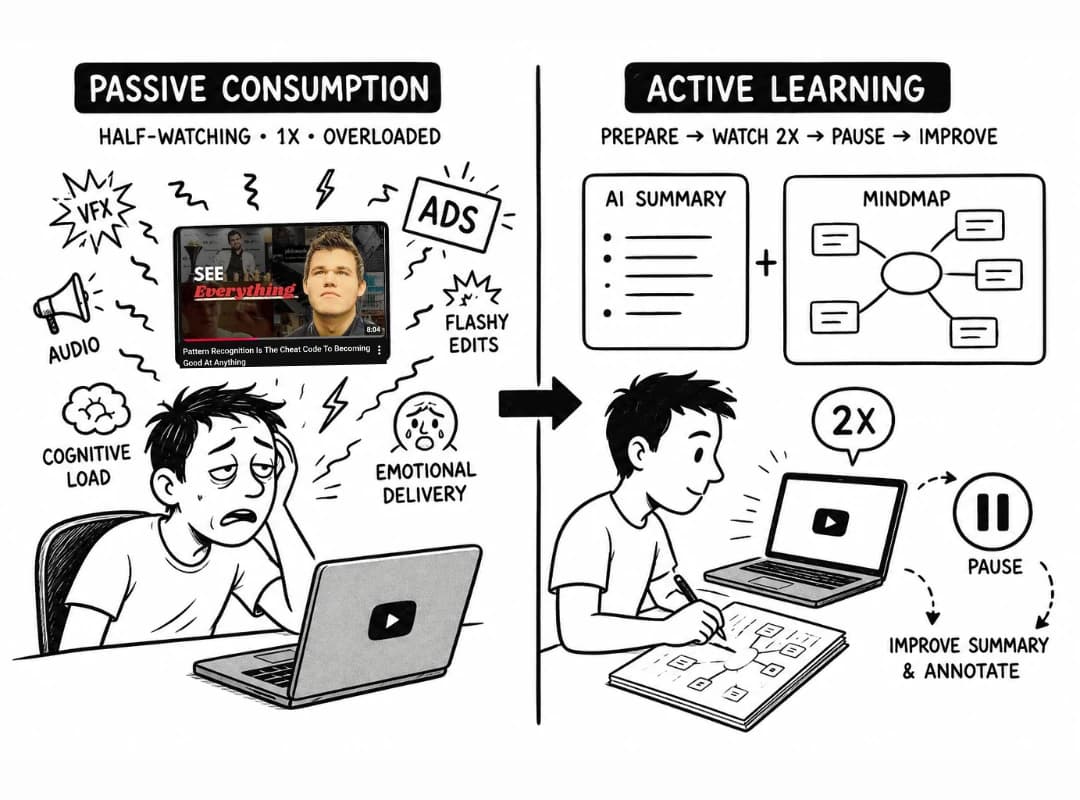
| LMS video / MOOC overload | Before every video, generate a one-minute AI overview, concept map and structured notes. Segment unfamiliar concepts into manageable chapters, preserving the same visual hierarchy across lessons to reduce working-memory demands. |
| Textbook / ebook entry cost | Before every chapter, generate a prerequisite glossary, chapter summary and concept hierarchy. Introduce foundational concepts before complex relationships, then gradually remove scaffolding as learners develop expertise. |
| LMS navigation overload | Before every module, generate a learning roadmap showing prerequisites, conceptual dependencies and progress. Preserve consistent navigation and reveal increasingly complex material as learners demonstrate understanding. |
How Does Cognitive Load Theory Apply to Corporate Training, SOPs and Compliance?
In 2007–2008, surgeon Atul Gawande and researcher Alex Haynes investigated human error in essential safety checks, communication and coordination. Instead of expecting clinicians to remember every precaution while simultaneously managing a demanding operation, they provided a 19-item surgical safety checklist, organized around three critical moments: before anesthesia, before incision and before the patient left the operating room.
| Workplace problem | Next rep — Transfer the study's findings |
|---|---|
| Corporate training / slide overload | Reconstruct every training module around three critical checkpoints: preparation, execution and completion. At each checkpoint, introduce the necessary concepts, demonstrate one decision and rehearse the corresponding action before advancing, following the WHO checklist's staged approach. |
| SOPs / compliance documentation | Convert dense procedures into short, actionable checklists positioned at critical decision points. Require employees to verify prerequisites, confirm responsibilities and record completion, transferring the WHO study's approach to externalizing essential checks and coordinating teams. |
| Long reports / professional certification | Divide complex material into preparation, application and verification stages. Provide a concise overview before each stage, highlight decisions requiring attention and use completion checkpoints to confirm understanding before introducing additional complexity. |
Cognitive Load in UX and Software Design: From Progressive Disclosure to Decision Fatigue
When David Canfield Smith was working with the Xerox Star development team in California, he helped translate familiar office objects into graphical icons representing documents, folders, printers and filing cabinets. This single GUI implement improved accessibility and made everyday tasks less intimidating for office workers.
| Software / UX problem | Next rep — Transfer the Xerox Star's design principles |
|---|---|
| Feature overload and complex menus | Replace sprawling feature menus with familiar, task-oriented objects and consistent actions. Reveal advanced options only when users open the relevant feature, following Xerox Star's progressive disclosure approach. |
| Fragmented technical documentation and knowledge bases | Organize documentation around a consistent hierarchy of concepts, APIs and dependencies. Provide a visual overview before implementation details, reuse terminology across pages and expose deeper explanations through contextual navigation. |
| Steep learning curves in Photoshop, CAD and coding tools | Introduce beginners to familiar visual metaphors and a small vocabulary of reusable commands. Provide guided walkthroughs using concrete examples, progressively reveal advanced functionality and allow experienced users to bypass introductory guidance. |
Can AI Reduce Cognitive Load? Summaries, Mind Maps and Advance Organizers for Researchers
In 1993–1994, Kenneth Koedinger, John Anderson and colleagues at Carnegie Mellon University created Pittsburgh Advanced Tutor (PAT) which was essentially a GUI spreadsheet-like worksheet used by students. The software monitored their actions as they worked toward a solution and supplied contextual/personalized feedback when they encountered difficulties.
| Research problem | Next rep — Transfer the study's findings |
|---|---|
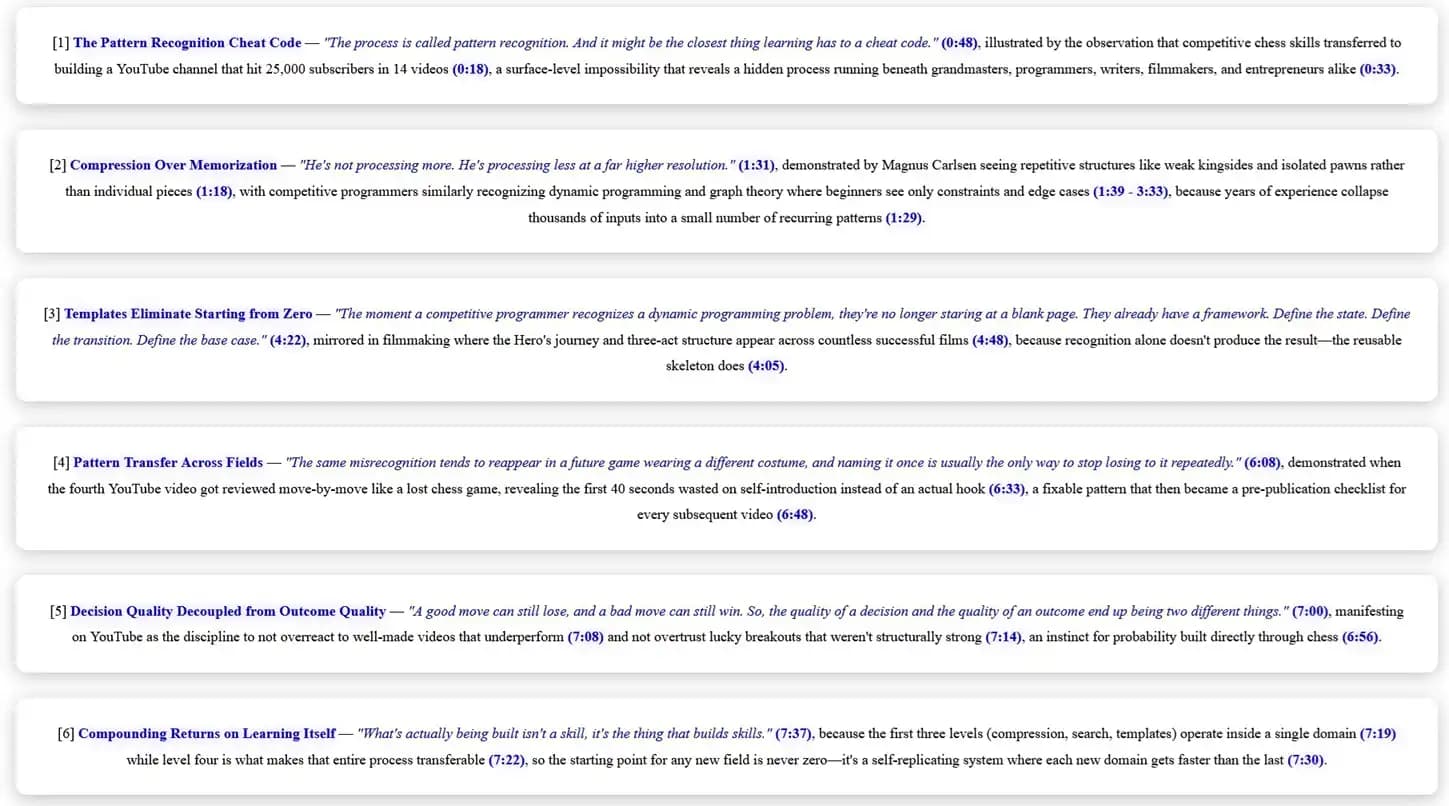
| Research paper / journal article overload | Before reading, use AI to reconstruct the research question, methods, findings and limitations into a one-minute overview and concept map. Following PAT's stepwise tutoring approach, study one relationship at a time, then close the summary and reconstruct the argument from memory before checking the original paper. |
| Dense PDFs / whitepapers / technical blogs | Generate a source-grounded glossary and knowledge graph connecting prerequisites, mechanisms and conclusions. Adapt PAT's contextual feedback by asking AI to explain only the concepts you cannot independently reconstruct, then verify every important claim against the source. |
| Unfamiliar educational content / personalized learning | Ask AI to diagnose prerequisite knowledge through retrieval questions, generate a personalized learning roadmap and introduce progressively harder problems. Reveal hints only after an independent attempt, provide immediate feedback and gradually withdraw assistance as proficiency improves. |
What Makes an AI Learning Artifact High Quality? Instructional Sequencing Matters More Than Summarization
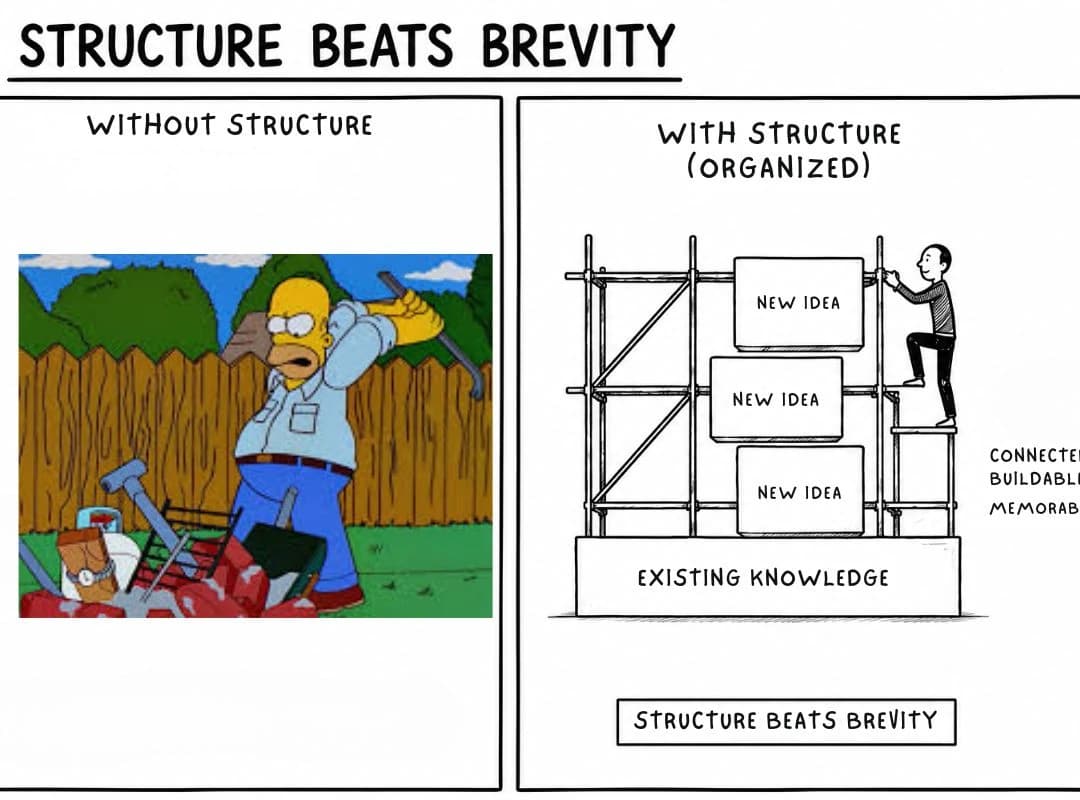
Denis Diderot and Jean le Rond d'Alembert's Encyclopédie was the 1770s equivalent of Wikipedia for the industrial manufacturing processes. The Encyclopédie's descriptions and engravings made knowledge accessible through a structured representation of the craft, connecting individual tools and operations to the production of a finished product.
| Learning problem | Next rep — Transfer the historical approach |
|---|---|
| Research papers, scientific literature and technical documentation | Generate a one-minute overview establishing the information surface, conceptual hierarchy and essential terminology. Map prerequisites, causal relationships, architecture and dependencies before examining details. Trace conclusions to supporting evidence, then reconstruct the argument or implement a comparable workflow independently. |
| Educational videos, textbooks and LMS curricula | Generate an advance organizer combining chapter summaries, concept maps, prerequisite glossaries and learning roadmaps. Sequence foundational concepts before complex applications, preserve instructional progression and progressively withdraw worked examples. Use retrieval checkpoints to verify understanding before advancing. |
| Corporate training, SOPs and general educational content | Reconstruct dense material into a process overview, dependency graph, decision tree and actionable checklist. Reveal complexity progressively, explain the reasoning behind each operation and preserve source references. Adapt scaffolding to learner expertise, then rehearse increasingly difficult scenarios to test independent application. |
Launching the Ship
Only when each part could support the next did the ship finally meet the sea. History offers a memorable reminder of what happened when that order was ignored. In 1628, the Swedish warship Vasa sailed proudly out of Stockholm harbor before her design had been fully reconciled with the realities of weight, balance, and stability. She carried magnificent ornamentation, towering masts, and enough firepower to intimidate an empire—but less than two kilometers into her maiden voyage, a gust of wind exposed flaws hidden beneath the surface, and she capsized in front of thousands of spectators.
That is the lesson Cognitive Load Theory has spent nearly four decades refining. Learning fails when working memory is asked to coordinate more interacting elements than it can manage before schemas exist to carry part of the burden. Good instructional design focuses less on removing complexity than on revealing it in the right sequence through worked examples, instructional scaffolding, progressive disclosure, advance organizers, and guidance that gradually fades as expertise develops.
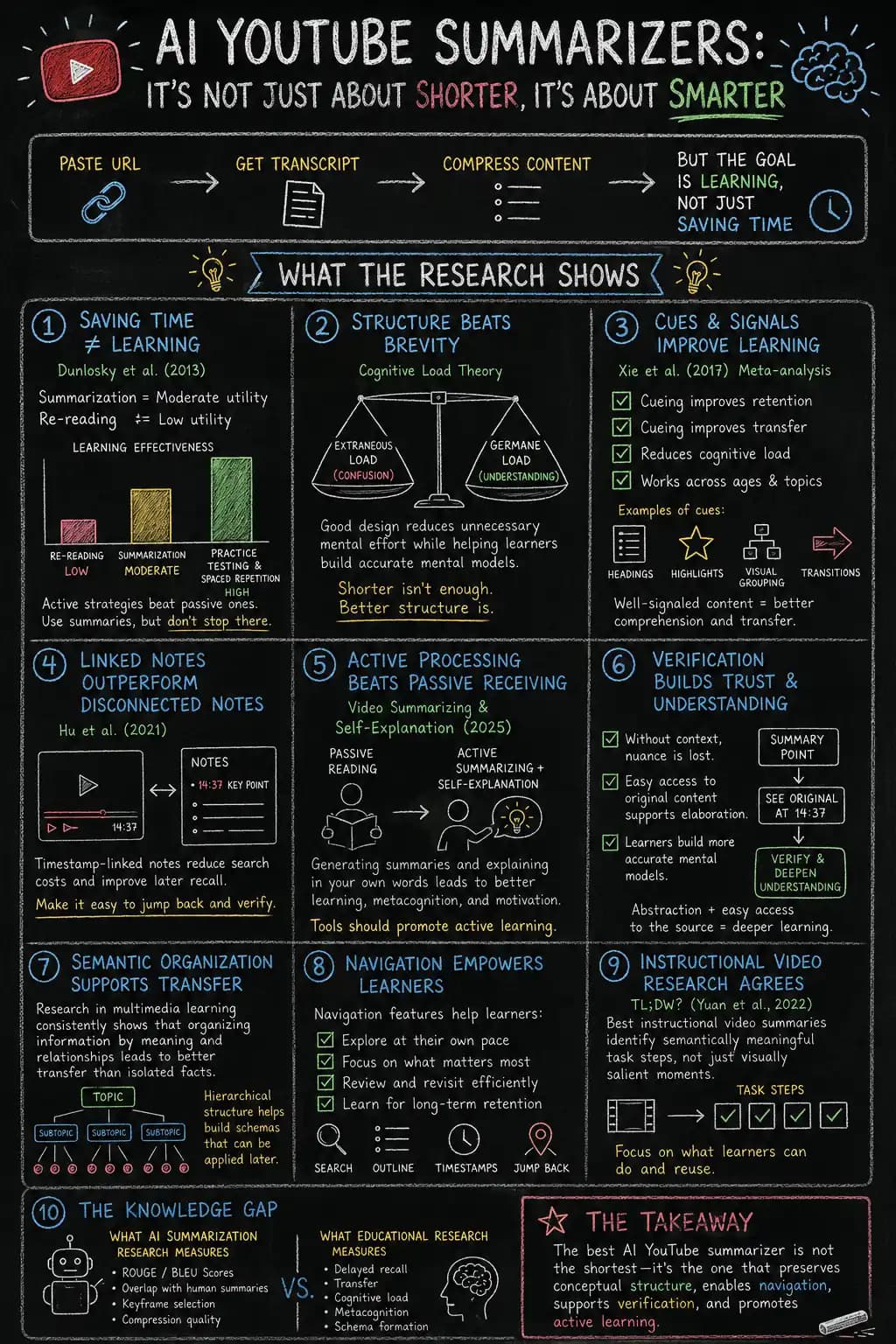
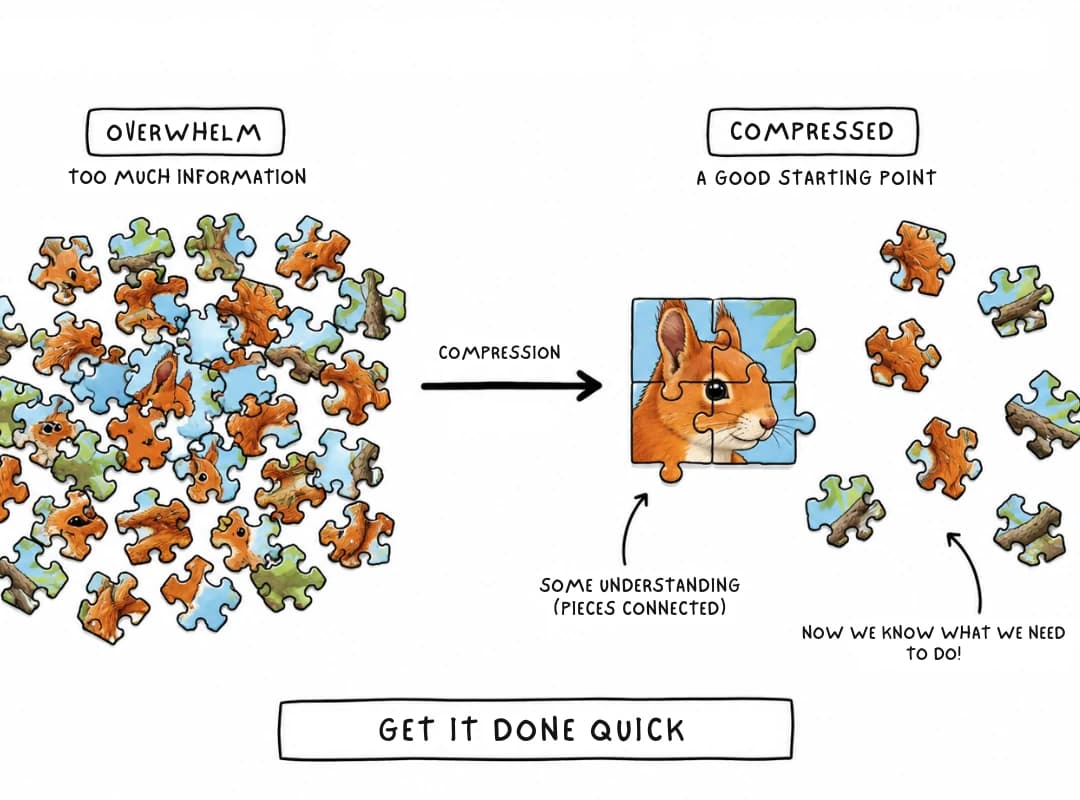
Today, compressing information is easy; sequencing understanding is much harder. The best AI systems will not simply make content shorter—they will preserve prerequisite relationships, expose conceptual dependencies, adapt guidance to learner expertise, and know when to step aside before helpful support becomes the expertise reversal effect.
The old shipwrights never spoke of intrinsic load, element interactivity, or schema acquisition, yet they built entire fleets around those principles. They knew that if the slipway did its job properly, nobody admired the timber ramp once the ship reached open water.
And perhaps that is the highest compliment Cognitive Load Theory can receive. When instruction is designed well, learners rarely notice the scaffolding at all. They simply sail away convinced they built the ship themselves.