What Are Desirable Difficulties? Why Roman Recruits Trained With Double-Weight Shields
When the Roman army dominated the Mediterranean, victory depended on relentless logistics and disciplined training. According to Vegetius, recruits did not begin with standard equipment. They drilled with wooden swords nearly twice the weight of the real gladius and carried oversized shields before ever entering battle. Roman engineers built roads, bridges, forts, and supply depots for thousands of repetitions under controlled difficulty. The battlefield was never meant to be the first hard day. Robert Bjork gave that ancient instinct a scientific vocabulary two thousand years later. His theory of desirable difficulties argues that the most durable learning often comes from practice that feels slower, harder, and slightly uncomfortable, because the right kind of challenge prepares the mind long before real performance matters.
-
Desirable difficulties are productive training, not pointless suffering. Robert Bjork (1994) defined desirable difficulties as learning strategies that temporarily reduce performance while improving long-term retention, transfer of learning, and metacognitive accuracy. Like Roman recruits training with overweight shields before carrying standard equipment, the goal is to make real performance feel lighter.
-
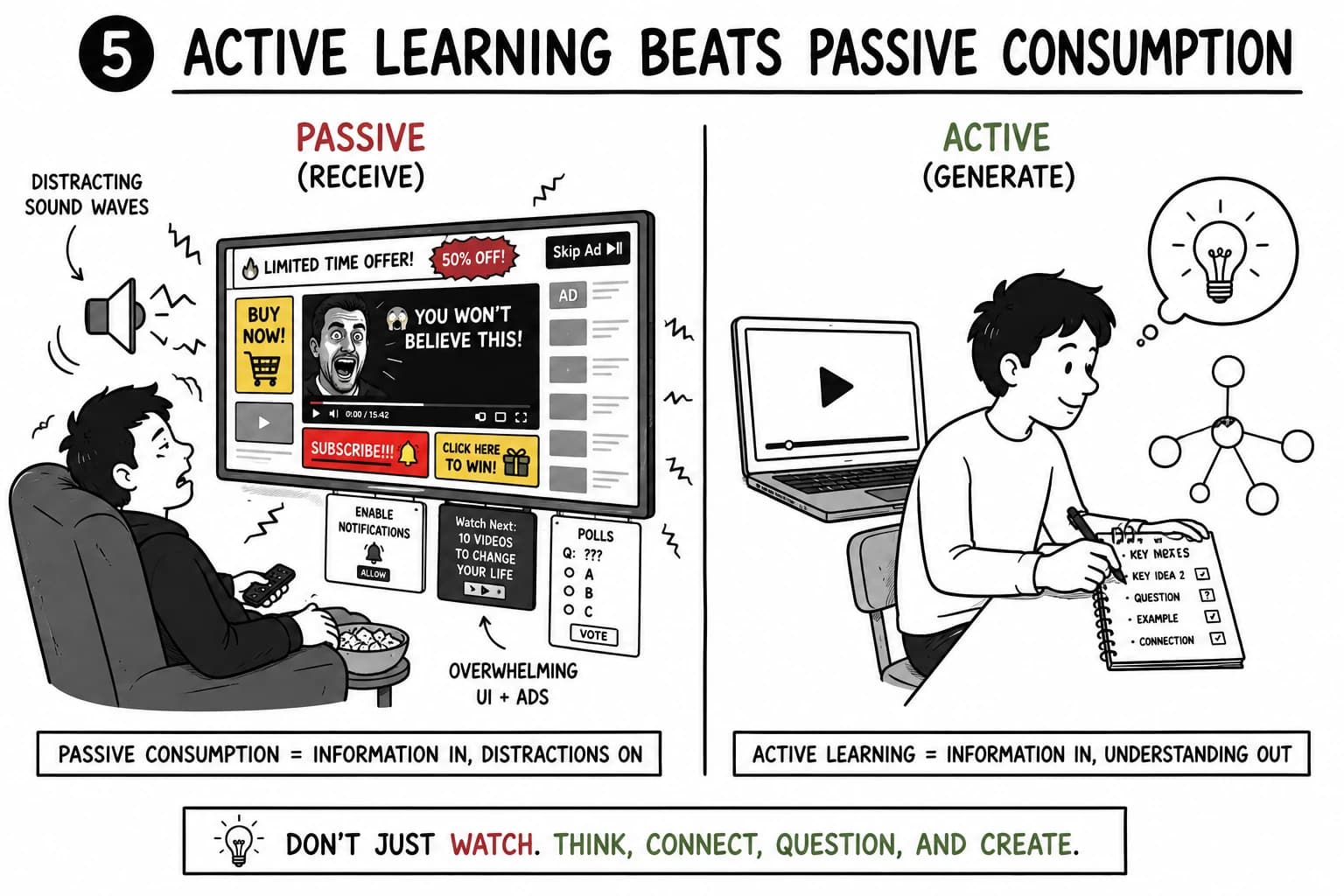
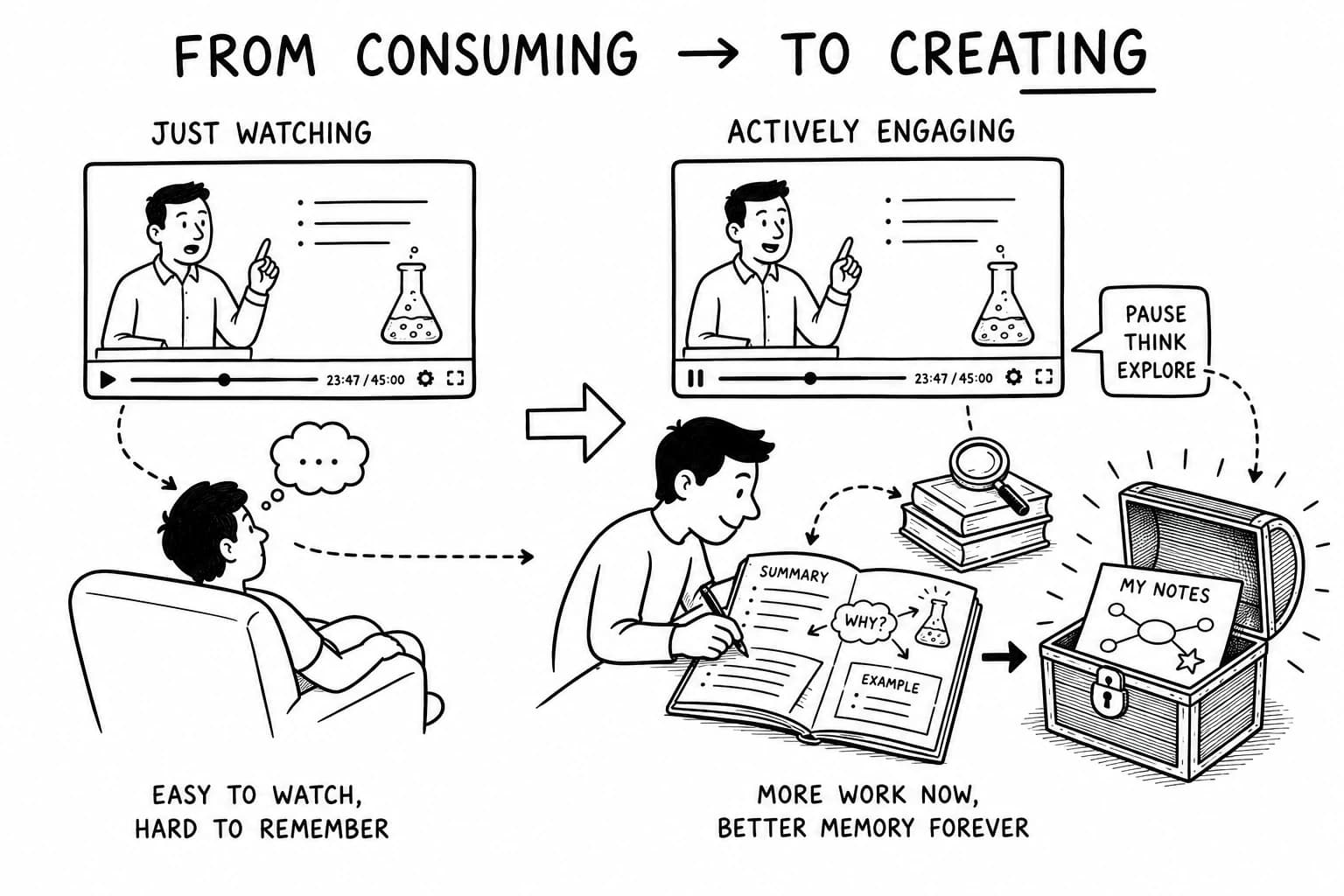
Retrieval practice, spaced repetition, interleaving, the generation effect, self-testing, and active learning all force learners to reconstruct knowledge instead of recognizing it. Medical students, software engineers, musicians, and athletes all rely on the same principle: effort during practice builds stronger long-term memory than comfortable repetition.
-
The theory explains why fluency is a poor coach. Bjork's distinction between retrieval strength and storage strength explains why rereading often creates confidence without durable memory. Effortful learning, productive struggle, and carefully managed retrieval effort strengthen knowledge that survives delayed testing, while effortless review often creates the illusion of mastery. Roman instructors understood the same trap: soldiers who only trained under perfect conditions rarely stayed calm when conditions stopped cooperating.
-
Difficulty must remain achievable, not overwhelming. Evidence-based learning depends on matching challenge to the learner. Learners benefit when desirable difficulties remain within reach. Too little challenge produces familiarity without retention. Too much creates frustration without learning. The Roman quartermaster who handed every recruit the same oversized shield still adjusted training as recruits became stronger; Bjork makes the same argument through experiments.
-
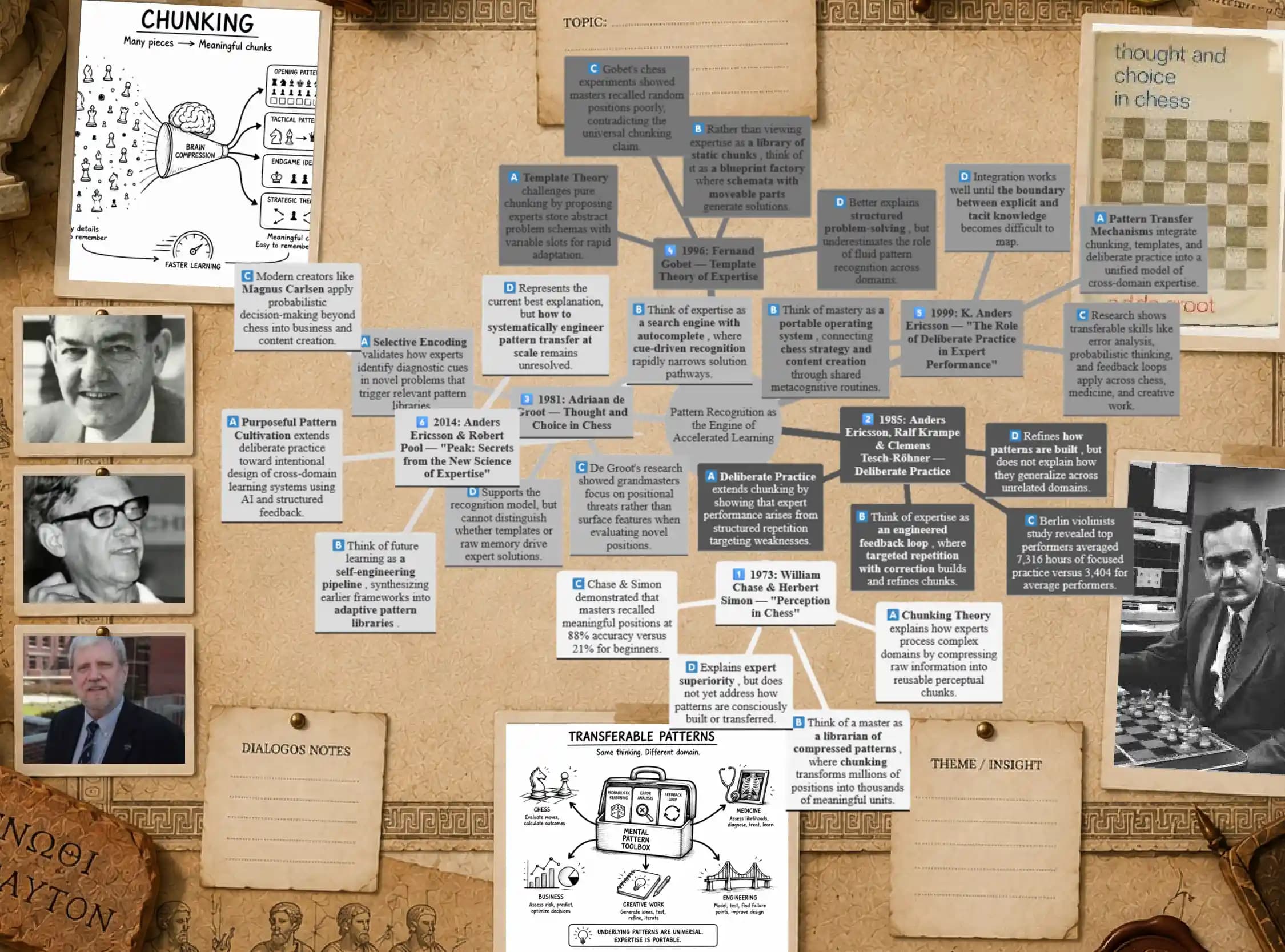
Modern research continues to reinforce the Roman training philosophy. Bjork and Bjork's New Theory of Disuse, Karpicke and Roediger's work on testing effects and retrieval practice, and Dunlosky's reviews of high-utility learning techniques all converge on the same conclusion: learning should optimize delayed performance. Roman training sought soldiers who could endure the campaign after months on the road. Modern education seeks learners who can retrieve, transfer, and apply knowledge long after the textbook has been closed.
History and Development of Desirable Difficulties
The theory did not appear fully formed in 1994. It emerged through decades of memory research, experimental psychology, classroom experiments, meta-analyses, and replications. The early work explained the mechanism through storage strength and retrieval strength. The middle years identified four reliable training methods—retrieval practice, spacing, interleaving, and the generation effect. The final wave of systematic reviews, meta-analyses, and classroom replications asked a more practical question: do these Roman drills still work once the laboratory walls disappear?
| Year | Research & Researchers | Key Concept | How It Works | Evolution of the Four Major Desirable Difficulties |
|---|---|---|---|---|
| 1992 | Bjork & Bjork – New Theory of Disuse | Storage strength, retrieval strength, memory research, experimental psychology | Distinguished durable learning (storage strength) from temporary accessibility (retrieval strength). Hard retrieval lowers immediate fluency while strengthening long-term memory. | Built the foundation explaining why productive difficulty works before identifying which difficulties matter. |
| 1994 | Robert Bjork – Desirable Difficulties | Desirable difficulties, testing effect, spacing effect, generation effect, interleaving | Unified four seemingly unrelated learning strategies under one principle: productive challenges reduce short-term performance while improving long-term retention, transfer of learning, and metacognition. | The four major desirable difficulties become one coherent learning framework. |
| 2006 | Cepeda et al. – Spacing Meta-analysis | Spacing effect, distributed practice, encoding variability, memory consolidation, meta-analysis | Across 271 comparisons, spaced learning consistently outperformed massed practice by allowing partial forgetting and stronger reconsolidation. | Spacing graduates from laboratory curiosity to one of psychology's strongest replicated learning effects. |
| 2006 | Roediger & Karpicke – Testing Effect | Retrieval practice, testing effect, retrieval effort, active recall, memory consolidation | Repeated testing produced better delayed retention than repeated studying because recalling rebuilds memory. | Retrieval practice becomes the flagship desirable difficulty and reshapes exam preparation, medical education, and professional training. |
| 2007 | Rohrer & Taylor – Interleaved Mathematics | Interleaving, mixed practice, discrimination learning, transfer of learning | Alternating problem types forces learners to identify which strategy applies. | Interleaving evolves from a scheduling trick into a method for improving classification and problem selection. |
| 2008 | Karpicke & Roediger – Spaced Retrieval | Spaced retrieval, forgetting curve, retrieval strength, storage strength | Combining retrieval with spacing produced greater durability than either technique alone by exploiting productive forgetting. | Demonstrated that the four desirable difficulties reinforce each other. |
| 2008 | Kornell & Bjork – Induction and Spacing | Generation effect, inductive learning, concept formation, deep processing | Separating examples over time improved category learning because learners compared underlying principles. | Expanded spacing beyond memorization into abstraction, reasoning, and concept learning. |
| 2011 | Bjork & Bjork – Framework Synthesis | Fluency illusion, metacognitive monitoring, desirable effort, effective learning | Distinguished productive difficulty from pointless frustration, arguing that effort must improve durable storage. | Defined the operating rules for all four desirable difficulties and clarified when each succeeds or fails. |
| 2011 | Rawson & Dunlosky – Retrieval Scheduling | Retrieval schedules, spacing intervals, long-term retention, educational psychology | Optimized when learners should retrieve information, showing that retrieval timing matters as much as retrieval itself. | Refined retrieval practice and spacing into practical classroom schedules. |
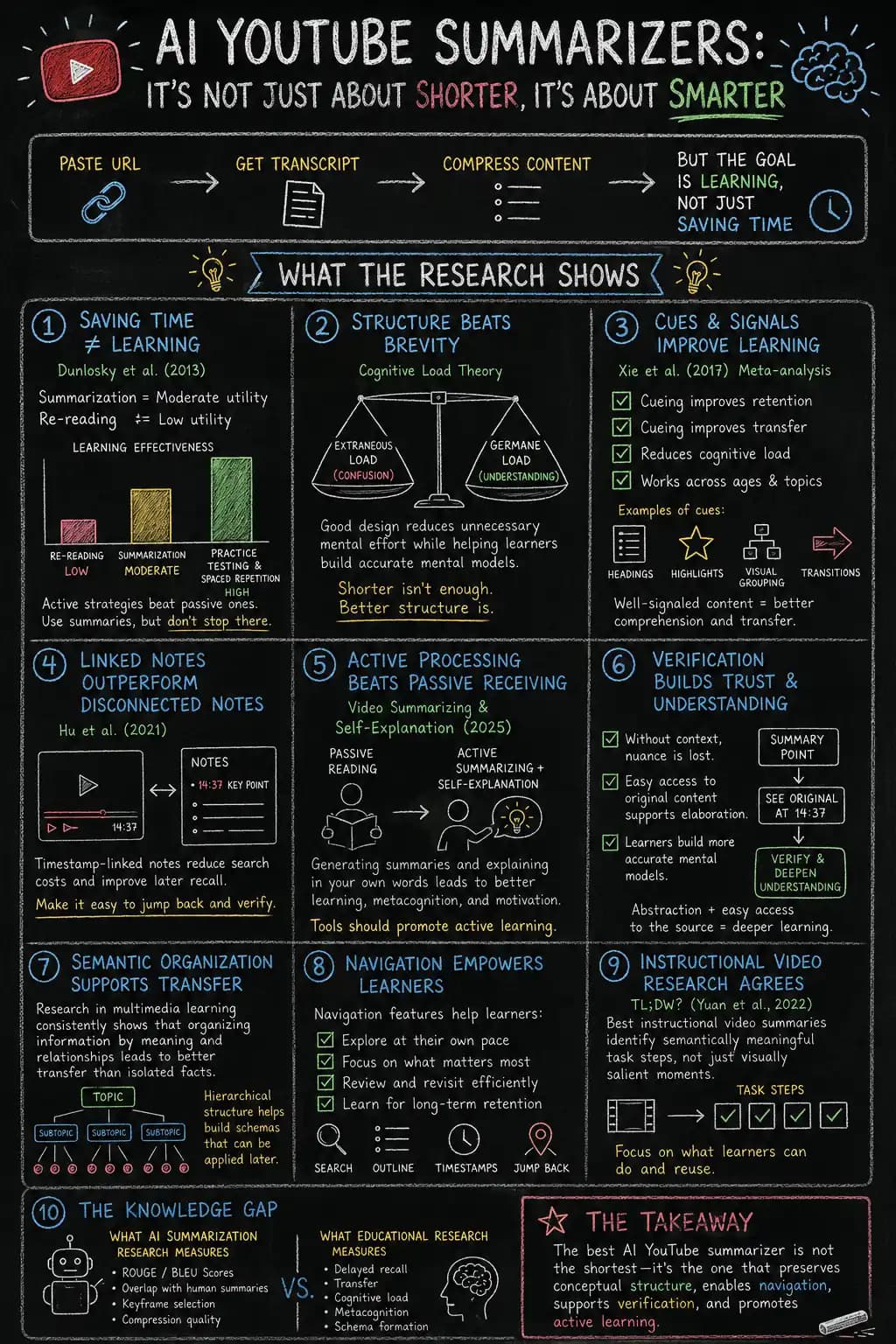
| 2013 | Dunlosky et al. – Effective Learning Techniques Review | Systematic review, effective learning techniques, evidence-based learning, educational psychology | Ranked practice testing and distributed practice as high-utility strategies supported across learners, materials, and educational settings. | Confirmed retrieval practice and spacing as the strongest evidence-backed desirable difficulties while rating interleaving as promising with more contextual limits. |
| 2015 | Rohrer et al. – Classroom Replication | Interleaving, classroom research, replication, K-12 education | Demonstrated that interleaving improved mathematics performance under authentic classroom conditions. | Completed the journey from laboratory mechanism to scalable educational practice, strengthening confidence in the overall desirable difficulties framework. |
Desirable Difficulties vs Easy Learning
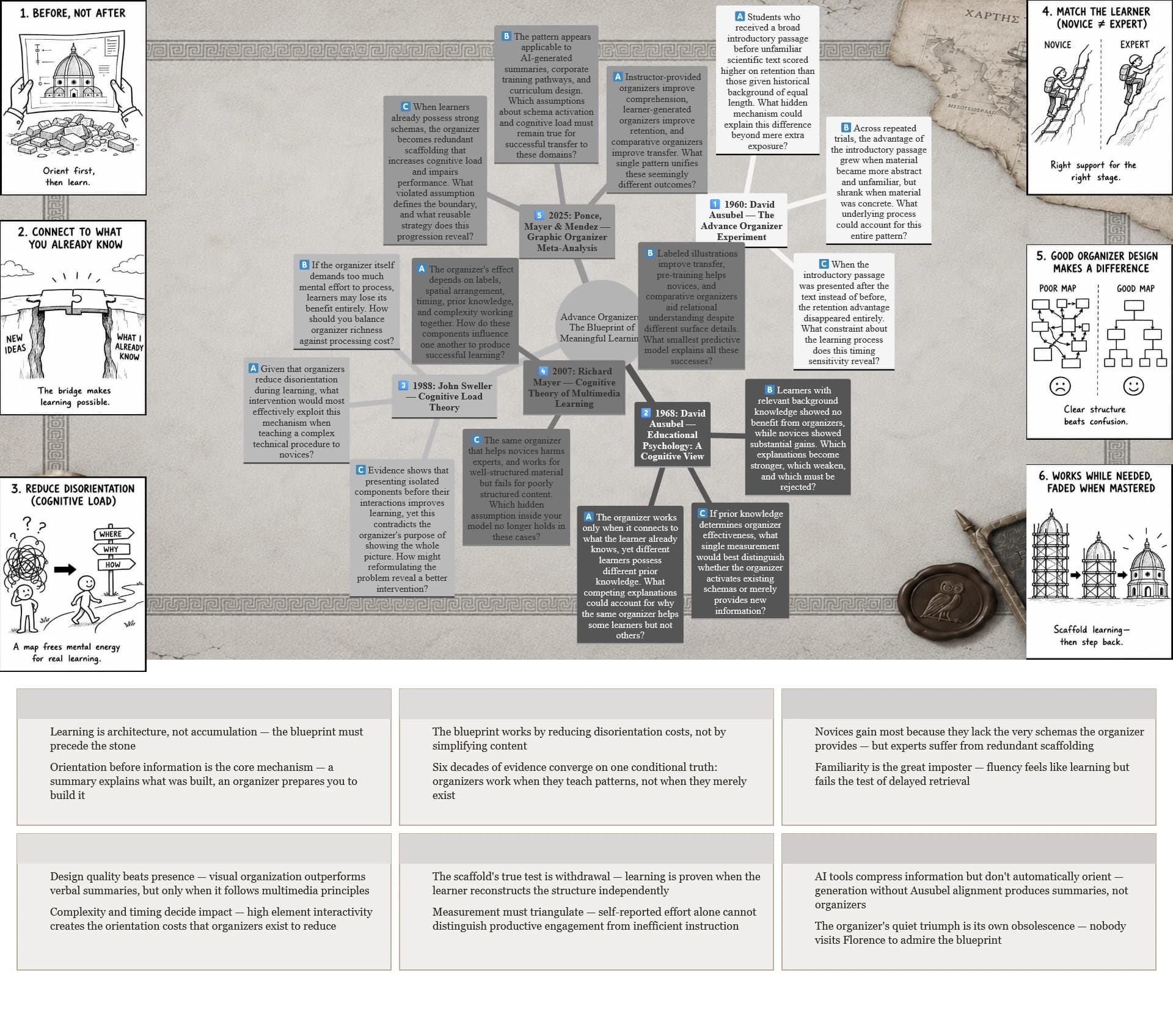
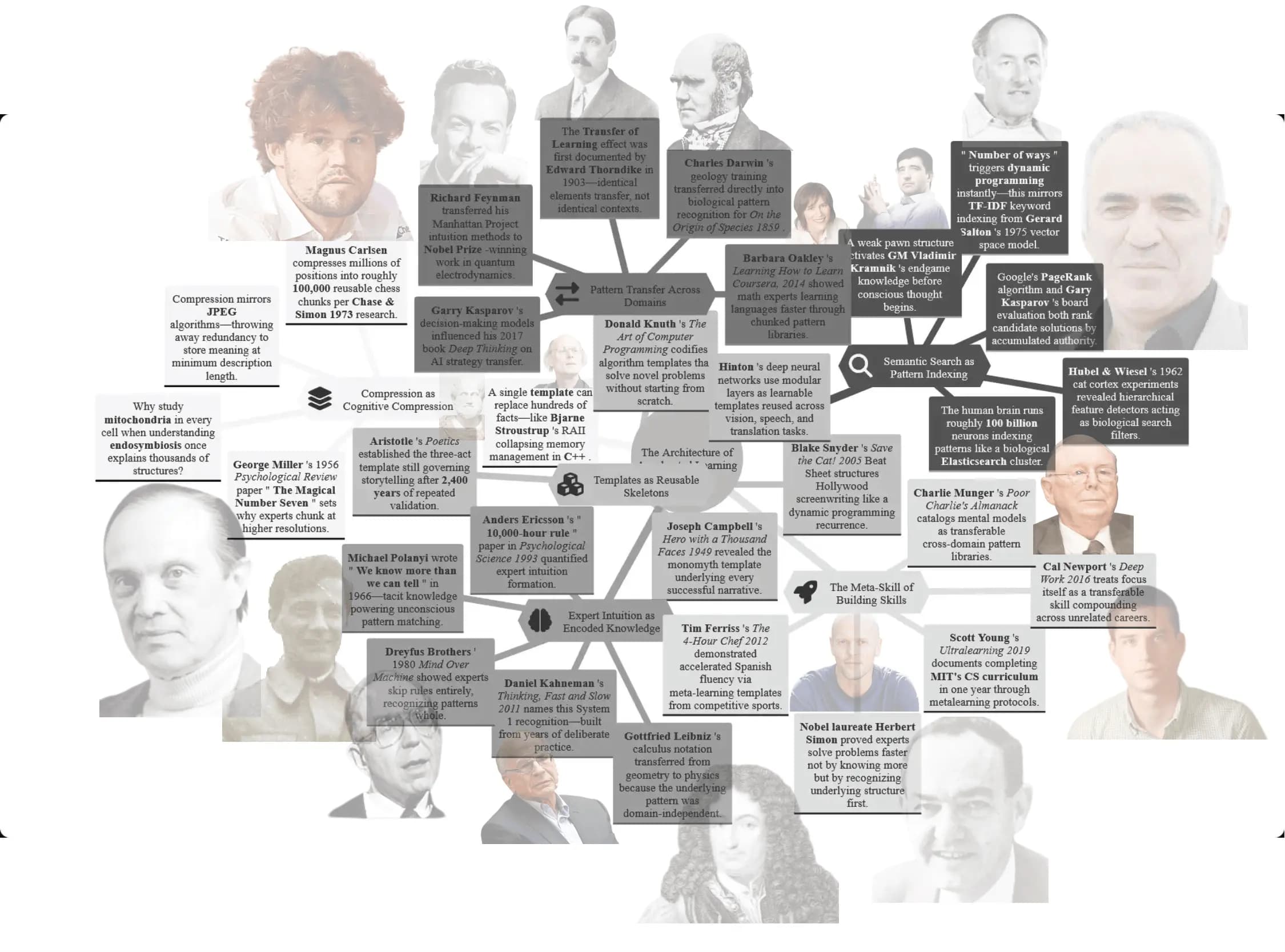
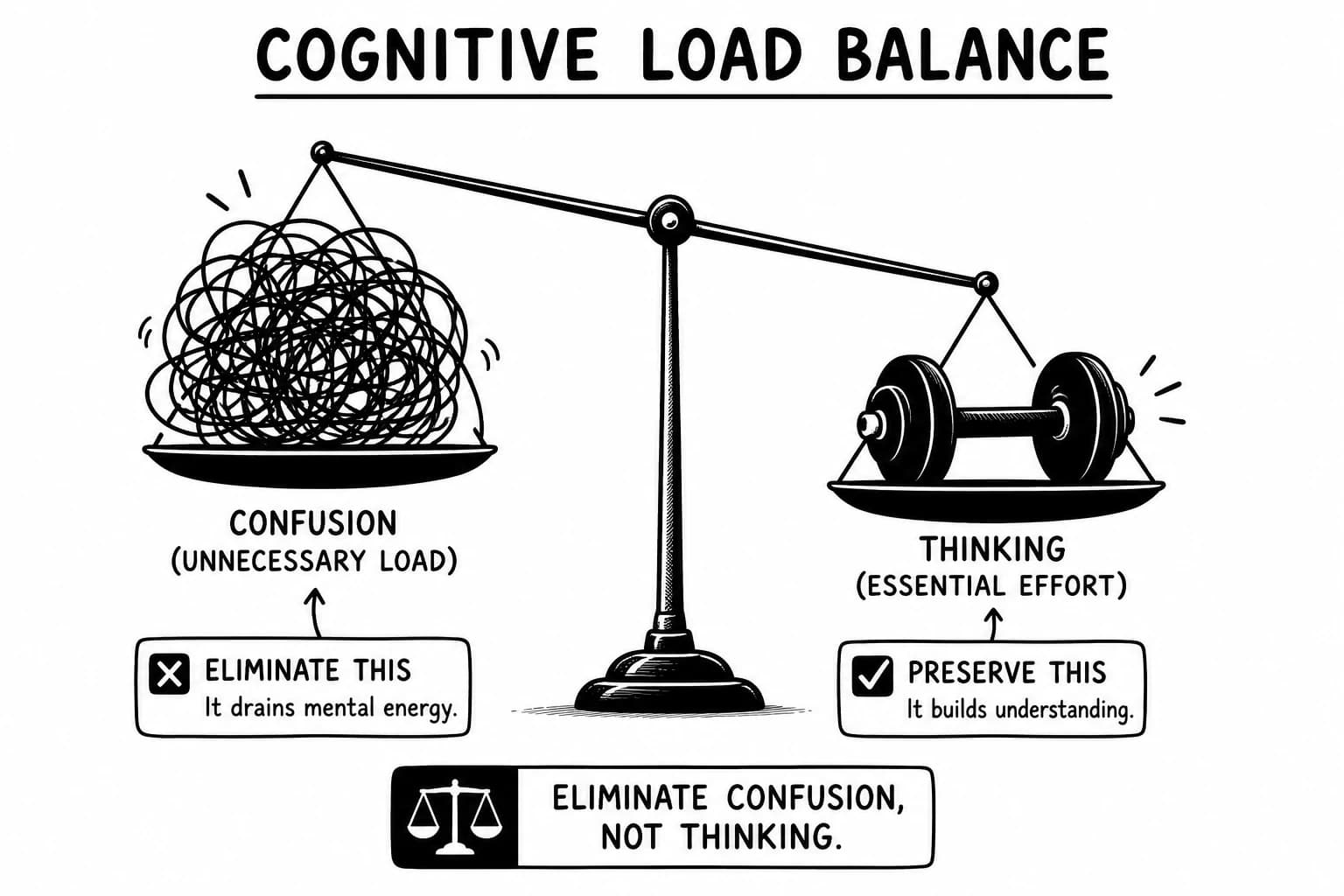
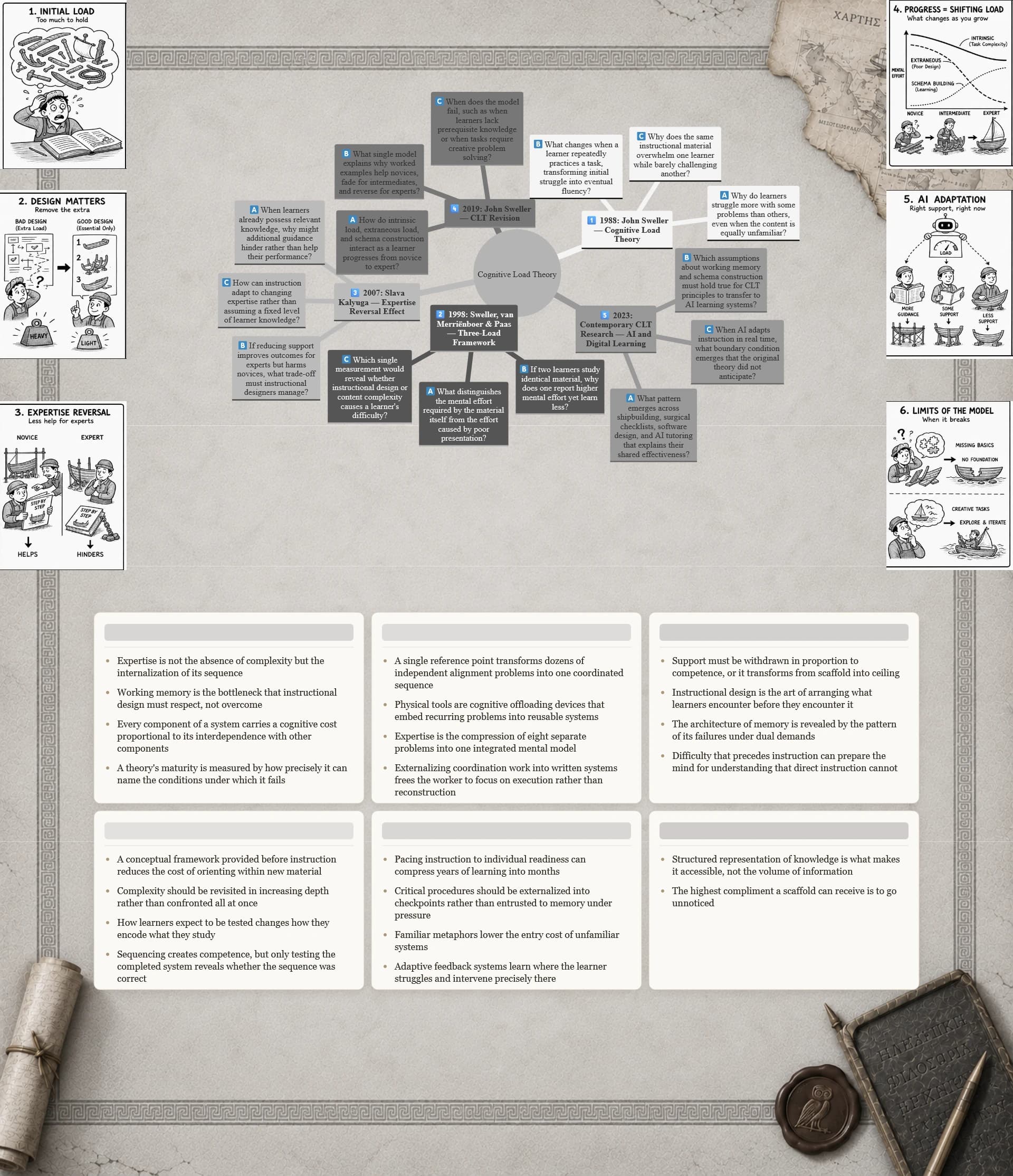
Marches were longer than campaigns, practice weapons were heavier than real ones, and exercises were deliberately exhausting because Roman commanders understood that training transfers. The battlefield felt lighter than rehearsal. Modern cognitive psychology reaches the same conclusion through desirable difficulties, retrieval practice, active recall, generation, spacing, interleaving, and productive struggle. Easy learning—rereading, highlighting, passive review, processing fluency, recognition, and cramming—creates the reassuring illusion that knowledge is secure, yet familiarity rarely survives delay. Effortful retrieval strengthens long-term retention, schema construction, knowledge transfer, and calibrated self-assessment because learners repeatedly reconstruct ideas. This principle also explains why Cognitive Load Theory and desirable difficulties complement each other. Roman instructors did not burden recruits with broken equipment, confusing commands, or impossible manoeuvres; they removed unnecessary obstacles while preserving purposeful challenge. Effective instructional design minimizes extraneous cognitive load through clear explanations, worked examples, and coherent organization, respects the limits of working memory imposed by intrinsic cognitive load, then deliberately increases germane cognitive load through retrieval, spacing, generation, and interleaving. The goal was to ensure that when the real battle arrived, the sword felt lighter, the decisions felt faster, and the mind remained steady under pressure because yesterday's practice had already been harder than today's reality.
When Do Desirable Difficulties Fail? Boundary Conditions and Criticisms
In 2019, ETH Zurich researchers Tanmay Sinha and Manu Kapur examined 95 experimental comparisons from 57 studies across 44 articles. They found that insufficient prerequisite knowledge, poorly supported exploration and instruction disconnected from learners' unsuccessful attempts can undermine conceptual understanding and transfer.
| Audience / Industry / Use Case | Research Finding → Your Next Rep |
|---|---|
| Secondary-school mathematics teachers | Among 60 comparisons with instruction-first approaches, seven favored instruction first; none of these seven used group work or built subsequent instruction on learners' failed solutions. Productive failure, instructional scaffolding, corrective feedback and knowledge consolidation work together when students explore alternative mathematical solutions and subsequently compare their attempts with correct procedures. Use learners' errors during follow-up instruction and measure conceptual understanding against instruction-first teaching. |
| Medical educators | Across the reviewed studies, insufficient relevant prior knowledge emerged as a boundary condition: unsupported exploration could leave learners unable to identify the critical relationships needed for subsequent learning. Prior knowledge, cognitive load, learner readiness and guided discovery suggest that productive struggle requires accessible prerequisites and guidance that directs attention toward relevant concepts. Introduce principle-based prompts before complex diagnostic problems and compare subsequent transfer with unsupported exploration. |
| Professional training designers | The review identified motivational difficulties and poorly structured preparatory tasks among explanations for unsuccessful productive-failure interventions; repeated unsuccessful attempts could undermine confidence and willingness to engage. Desirable difficulties, self-efficacy, meaningful progress and timely instruction help distinguish productive exploration from unproductive persistence. Provide attainable intermediate goals, feedback on unsuccessful attempts and subsequent expert instruction, then evaluate engagement and performance on unfamiliar tasks. |
Does Retrieval Practice Really Work for Exams?
In 2010, Washington University psychologist Andrew Butler conducted four experiments comparing repeated retrieval tests with repeated study of prose passages, assessing retention and transfer one week later. Repeated testing improved performance on previously studied questions, new inferences within the same domain, and questions requiring knowledge transfer across domains.
| Audience / Industry / Use Case | Research Finding → Your Next Rep |
|---|---|
| Secondary-school science teachers | In Experiment 1a, repeated testing produced better retention of previously tested material than repeated studying after one week. Retrieval practice, active recall and the testing effect reinforce access to studied knowledge through repeated reconstruction; replace some textbook rereading with closed-book questions and compare delayed examination accuracy with a restudy group. |
| University mathematics instructors | Experiments 1b and 2 found superior performance on new inferential questions within the studied knowledge domain. Transfer of learning, retrieval success and conceptual understanding require students to reconstruct relationships beyond memorized answers; follow factual practice with unfamiliar reasoning questions and compare performance with restudy-based revision. |
| Medical educators | Experiment 3 found that repeated testing improved transfer to questions requiring previously studied information in different knowledge domains. Cross-domain transfer, knowledge integration and cumulative assessment support using retrieval questions that connect previously learned physiological concepts across topics; evaluate success using new integrative questions after a one-week delay. |
Is Spaced Repetition a Desirable Difficulty?
In 2006, cognitive psychologist Nicholas Cepeda and colleagues synthesized 839 assessments from 317 experiments across 184 articles examining distributed practice and verbal recall. They found that spacing generally benefited retention and that the interval producing the greatest recall increased with the delay before the final test, making revision timing dependent on the retention goal.
| Audience / Industry / Use Case | Research Finding → Your Next Rep |
|---|---|
| Language-learning institutions | Across the experiments, spaced presentations generally improved subsequent verbal recall compared with massed presentations. Spacing effects, distributed practice and retention intervals explain the value of separating vocabulary encounters over time; distribute equivalent study time across sessions and measure delayed vocabulary recall against a single-session condition. |
| Professional certification providers | The interstudy interval associated with maximum retention increased as the final retention interval increased. Retrieval scheduling, spacing intervals and exam preparation require matching revision intervals to the examination horizon; compare schedules designed for short- and long-term retention using equal study time and assessments at the intended certification date. |
| Medical educators | The synthesis distinguished the effects of distributing study episodes from the effects of changing the delay before assessment. Forgetting curves, delayed assessment and knowledge durability make the timing of anatomy examinations consequential; compare immediate and delayed recall under different revision schedules to establish which preserves anatomical terminology over the required period. |
When Does Interleaving Help — and When Does It Hurt Novices?
In 2007, University of South Florida psychologists Doug Rohrer and Kelli Taylor conducted two experiments comparing spaced versus massed mathematics practice and mixed versus blocked problems among college students. Spacing increased one-week test accuracy to 74% versus 49% for massed practice, while interleaving improved delayed performance after initial instruction, without establishing an overload threshold for complete beginners.
| Audience / Industry / Use Case | Research Finding → Your Next Rep |
|---|---|
| Secondary-school mathematics teachers | In the second experiment, mixing previously taught mathematics problem types produced substantially better one-week test performance than blocked practice. Interleaving, discrimination learning and concept integration may strengthen procedure selection; assign unlabeled, mixed problems after initial instruction and measure delayed method-selection accuracy against blocked exercises. |
| Introductory mathematics instructors | Participants learned the relevant procedures before receiving mixed or blocked exercises, making prior knowledge, instructional scaffolding and learner readiness important conditions when interpreting the interleaving advantage. Begin with worked demonstrations, introduce mixed practice once procedures are understood and compare delayed accuracy across students with different initial proficiency; a novice cognitive-overload threshold remains untested. |
| University mathematics departments | The first experiment found 74% one-week test accuracy after spaced practice, compared with 49% and 46% in the two massed-practice conditions. Distributed practice, delayed retention and revision planning justify spreading equivalent exercises across tutorials; assess the same mathematical procedure one week later to separate the benefit of spacing from interleaving. |
Should You Generate Answers Before Instruction?
In 2014, University College London researchers Rosalind Potts and David Shanks published four experiments comparing error generation followed by feedback with direct study and answer selection during unfamiliar vocabulary learning. Generating incorrect definitions or translations before receiving the correct answers produced significantly better final memory than either comparison, even when guesses were largely unrelated to the correct responses.
| Audience / Industry / Use Case | Research Finding → Your Next Rep |
|---|---|
| University language instructors | Learners who attempted definitions of unfamiliar English words before receiving corrective feedback subsequently remembered more correct meanings than learners who simply read the definitions. Prediction, the generation effect and corrective feedback combine an initial retrieval-like attempt with correction; require written predictions before revealing definitions and compare final recall against direct study. |
| Foreign-language teachers | Incorrect guesses improved memory for foreign-language translations even when the generated responses were unlikely to share meaningful associations with the targets. Errorful learning, semantic associations and associative memory suggest that successful guessing is unnecessary for the observed benefit; collect translation attempts before providing answers and assess later cued recall against an answer-first condition. |
| Technical training instructors | Generating erroneous answers followed by feedback produced better final memory than selecting incorrect alternatives followed by feedback. Active generation, multiple-choice recognition and delayed recall distinguish constructing an answer from choosing among supplied responses; introduce unfamiliar terminology through short-answer predictions and compare later definition recall with multiple-choice practice. |
Why Does Fluency Fool You? Storage Strength vs Retrieval Strength
In 1991, University of Washington psychologists Thomas Nelson and John Dunlosky investigated whether immediate or delayed judgments of learning predicted subsequent recall of studied word pairs. Delayed judgments made from the stimulus cue were substantially more accurate than immediate judgments, demonstrating how postponing self-assessment can reveal knowledge gaps that recent exposure may conceal.
| Audience / Industry / Use Case | Research Finding → Your Next Rep |
|---|---|
| University students | Delaying confidence judgments after studying word pairs substantially improved their accuracy in predicting later recall. Judgments of learning, confidence calibration and metacognition become more informative when recent exposure no longer dominates assessment; rate confidence after a delay using the cue alone and compare predictions with subsequent closed-book recall. |
| Professional examination candidates | The delayed-judgment advantage depended on assessing knowledge after a short interval using the stimulus cue. Processing fluency, delayed judgments and self-assessment bias help explain why recently visible answers can inflate confidence; postpone confidence ratings until a later revision session, attempt recall without notes and measure how closely confidence predicts examination accuracy. |
| Educational assessment teams | Delayed cue-based judgments were much more predictive of eventual recall, supporting metacognitive monitoring, retrieval accuracy and self-regulated learning as complementary assessment processes. Compare immediate confidence surveys with delayed cue-only assessments and calculate prediction accuracy; the study did not directly measure storage strength or prove that delayed judgments improve long-term knowledge durability. |
Desirable Difficulties vs Deliberate Practice vs Cognitive Load vs Generative Learning?
In 2022, educational psychologist Julian Roelle and colleagues tested retrieval–generation sequences with 158 university students; complementary experiments by Ines Zeitlhofer and Joerg Zumbach (2026) examined task complexity and interleaving, while Brooke Macnamara and Megha Maitra (2019) investigated deliberate practice among violinists. Their findings show that learning depends on instructional sequence, manageable cognitive demands and sustained practice.
| Audience / Industry / Use Case | Research Finding → Your Next Rep |
|---|---|
| University science instructors | Roelle and colleagues (2022) found that retrieval before generation improved retention and reduced cognitive load compared with the reverse sequence. Desirable difficulties, retrieval practice, generative learning and knowledge integration can complement one another: retrieving foundational concepts first may free working-memory resources for constructing meaningful relationships. Follow initial study with closed-book retrieval and explanatory activities, then compare retention and cognitive-load ratings against generation-first instruction. |
| Secondary-school mathematics teachers | Zeitlhofer and Zumbach (2026) compared interleaved versus blocked practice and constantly high versus gradually increasing complexity among 132 learners; complex desirable-difficulty tasks supported performance on a two-day posttest, while cognitive load was associated with metacognitive engagement. Desirable difficulties, cognitive load, working memory and metacognitive regulation interact because demanding tasks can encourage strategic processing when learners invest sufficient cognitive resources. Compare mixed and blocked mathematical problems at different complexity levels, measuring delayed accuracy and strategy use. |
| Professional training designers | Macnamara and Maitra (2019) partially replicated a violin-practice study and found that accumulated practice explained less performance variation than originally reported; teacher-designed practice did not explain additional variation beyond independent practice. Deliberate practice, corrective feedback, targeted repetition and skill acquisition require distinguishing practice quantity from practice quality. Use targeted exercises informed by expert feedback, then measure performance improvements across successive sessions. |
Desirable Difficulties in AI Learning: Why Roman Legions Trained Harder Than They Fought
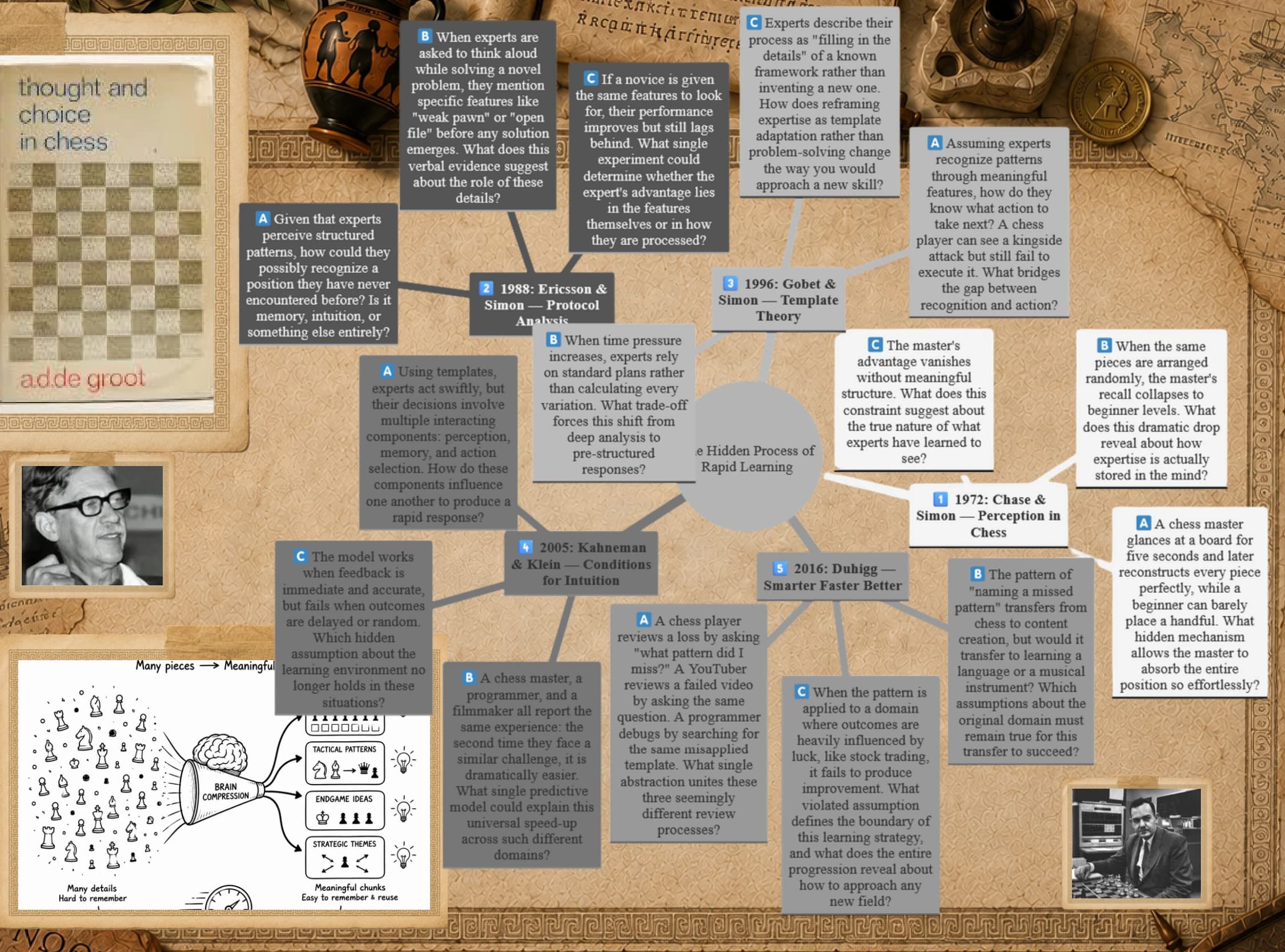
The Roman legion's reputation for near-superhuman resilience was forged long before the battlefield. Ancient writers including Polybius and Vegetius describe a training system engineered to make combat feel easier than preparation. Recruits marched more than twenty Roman miles carrying heavy packs that later inspired the nickname "Marius' Mules," dug fortified marching camps every evening regardless of exhaustion, repeatedly built bridges, roads, and siege works, and practiced formations until coordinated movement became automatic under extreme stress. Every drill deliberately increased productive effort while removing unnecessary uncertainty through standardized commands, experienced instructors, familiar equipment, permanent drill grounds (campus), military workshops (fabricae), supply depots (horrea), and carefully staged progression from novice to veteran. Rome never confused hardship with chaos. It eliminated extraneous load while preserving the desirable difficulty that built judgment, endurance, and automatic execution. Modern AI learning systems, AI advance organizers, and LLM tutors should adopt the same philosophy. AI should reduce confusion by providing knowledge organization, concept hierarchies, definitions, and advance organizers, while deliberately preserving retrieval practice, prediction, generation, spacing, interleaving, and active recall that strengthen storage strength, knowledge transfer, metacognition, and long-term retention. Roman instructors never marched beside every soldier in battle. AI should never think on behalf of every learner.
How Should Teachers Design Lessons With Desirable Difficulties?
In 2022, educational researchers Faria Sana and Veronica X. Yan studied 155 secondary-school science students who completed blocked or interleaved weekly quizzes over four weeks. On a test one month later, interleaved concepts achieved 63% accuracy, blocked concepts 54% and unquizzed concepts 47%, demonstrating how mixing previously taught material can improve delayed learning.
| Audience / Industry / Use Case | Research Finding → Your Next Rep |
|---|---|
| Secondary-school science teachers | Interleaved weekly quizzes produced 63% accuracy one month later, compared with 54% for blocked quizzes. Interleaving, retrieval practice and instructional sequencing require students to recover previously taught concepts while switching between topics. Mix questions from different science concepts in weekly quizzes and compare delayed accuracy with topic-blocked quizzes. |
| University science lecturers | Blocked retrieval also improved retention relative to unquizzed material, producing 54% versus 47% accuracy. Active recall and delayed retention benefited from testing itself, while interleaving provided an additional advantage. Compare interleaved, blocked and untested concepts on a cumulative examination to distinguish the benefits of retrieval from those of practice arrangement. |
| Curriculum designers | Students completed weekly quizzes across four weeks, with the final assessment administered one month after the last quiz. Interleaving and cumulative assessment improved knowledge durability under ordinary classroom conditions. Integrate mixed-topic questions into existing weekly assessments and track concept-level accuracy after a month without increasing the amount of tested content. |
What Is a Practical Weekly Study Workflow for Students?
In 2011, Kent State University psychologists Katherine A. Rawson and John Dunlosky conducted three experiments involving 533 students who learned conceptual material through retrieval and restudy, varying initial mastery requirements and the number of subsequent relearning sessions. Their results supported successive relearning as a practical strategy for durable retention, combining initial mastery with repeated retrieval across later sessions.
| Audience / Industry / Use Case | Research Finding → Your Next Rep |
|---|---|
| University students | Students initially practiced conceptual material until achieving between one and four correct recalls. This establishes an explicit mastery criterion for active recall and self-regulated learning. On Monday, study new material, retrieve each definition without looking and correct errors until reaching a chosen recall criterion; measure initial mastery through unaided accuracy. |
| Professional certification candidates | The experiments combined initial retrieval practice with one to five subsequent relearning sessions, demonstrating the importance of repeated successful retrieval for durable learning. Distributed practice and spaced repetition can be organized into a weekly revision schedule: revisit previously mastered concepts on Wednesday and Friday, retrieving them before restudying any forgotten material. Compare delayed recall and total practice time across schedules. |
| Independent learners | The researchers collected and scored more than 100,000 short-answer responses while varying initial learning and subsequent relearning requirements. This permits learning efficiency to be evaluated through retained knowledge relative to practice effort. Finish the week with a closed-book cumulative quiz, record which concepts remain retrievable and prioritize forgotten concepts during the next week's revision. The Monday–Wednesday–Friday timetable is a proposed application, not an experimentally established optimum. |
How Do Professionals Use Desirable Difficulties for Durable Expertise?
In 1998, educational psychologists Alexander Renkl, Robin Stark, Hans Gruber and Heinz Mandl studied 56 banking apprentices learning compound-interest and real-interest calculations through worked examples with varying opportunities for self-explanation. Prompted self-explanation improved transferable knowledge, particularly near-transfer performance among apprentices with limited prior knowledge.
| Audience / Industry / Use Case | Research Finding → Your Next Rep |
|---|---|
| Software engineering teams | Banking apprentices prompted to explain the reasoning behind worked calculations acquired more transferable knowledge than those relying on spontaneous explanation. Self-explanation, knowledge reconstruction and mental-model development provide a corresponding approach to debugging: reconstruct the causal path from observed failure to responsible code before consulting an existing solution, then assess success on structurally similar defects. This debugging application was not tested in the study. |
| Financial-services training departments | Apprentices with limited prior knowledge benefited particularly from prompted self-explanations on near-transfer problems. Reconstructing the reasoning behind compound-interest calculations may help connect individual operations to their underlying financial principles. Require trainees to justify calculation steps before solving related interest problems and compare independent near-transfer accuracy with ordinary example study. |
| Technical onboarding teams | Increasing example variability did not produce the anticipated additional transfer benefit when sophisticated self-explanations were elicited. Deliberate practice and expertise development require attention to how learners process examples, alongside the number or variety they encounter. Have trainees explain the principles underlying representative procedures and evaluate performance on unfamiliar applications rather than counting completed examples. |
Can AI Tutors Preserve Productive Struggle Instead of Removing It?
In 2013, University of Pittsburgh researchers J. Elizabeth Richey and Timothy J. Nokes-Malach published three experiments comparing worked examples and physics problems that either supplied or withheld stepwise instructional explanations. Students whose explanations were withheld demonstrated greater conceptual accuracy across all three experiments, with motivational differences becoming more influential under reduced instructional assistance.
| Audience / Industry / Use Case | Research Finding → Your Next Rep |
|---|---|
| AI physics-tutor developers | Across three experiments, withholding stepwise instructional explanations produced greater conceptual accuracy than providing them. Productive struggle and self-explanation may encourage learners to reconstruct the principles underlying worked solutions. Present worked physics problems with selected explanations concealed, require learners to justify the steps and measure conceptual accuracy against a fully explained condition. |
| Adaptive tutoring platforms | The conceptual-learning advantage persisted when researchers controlled the number of practice problems, indicating that additional practice volume did not explain the result. Instructional scaffolding, cognitive engagement and adaptive assistance can be evaluated by varying explanatory support while keeping practice opportunities equivalent. Compare independent conceptual reasoning after identical problems presented with complete or withheld explanations. |
| Educational AI researchers | Achievement-goal orientations predicted learning more strongly when explanations were withheld, indicating that learner motivation influenced outcomes under reduced assistance. Metacognitive regulation, productive persistence and personalized learning may affect how learners respond to deliberately incomplete explanations. Measure prior knowledge, motivation and conceptual gains before testing adaptive hint policies; the original experiments did not evaluate AI-generated hints. |
Do Desirable Difficulties Work for ADHD, Children, Adults? How Hard Should Learning Be?
In 2023, Bar-Ilan University education researchers Pnina Stern and Vered Halamish compared whole-text and section-by-section free recall among students with and without ADHD, administering a delayed assessment two days later. Whole-text recall produced better delayed proportional recall despite lower practice recall, although neither retrieval condition outperformed restudying and participants with ADHD showed less organized recall.
| Audience / Industry / Use Case | Research Finding → Your Next Rep |
|---|---|
| University ADHD support services | Section-by-section recall produced more remembered idea units during practice, whereas whole-text recall produced a higher proportion of remembered ideas two days later in both ADHD and comparison groups. Desirable difficulties, retrieval practice and delayed retention reveal why immediate success can misrepresent learning. Compare whole-text and section-based recall using equivalent reading material and a delayed free-recall assessment. |
| Special education teachers | Exploratory analyses indicated that whole-text recall also benefited the order in which ideas were remembered, while participants with ADHD showed less organized recall overall. Knowledge organization, conceptual integration and retrieval structure may be important when designing recall activities. Have students reconstruct an entire passage and subsequently organize its principal ideas into a coherent sequence; measure idea coverage and recall order separately. |
| Educational psychologists and ADHD researchers | Neither whole-text nor section-based retrieval practice outperformed restudying, despite the delayed advantage of whole-text over section recall. Cognitive load, individual differences and desirable difficulty must be evaluated against meaningful alternatives. Compare delayed recall, organizational accuracy and task completion across retrieval formats and restudying before determining an appropriate difficulty level. |
Conclusion: Train With the Heavy Shield, Fight With the Light One
Nobody has ever finished a retrieval practice session and said, "Well, that was delightfully effortless." Spaced repetition has the remarkable ability to make you forget things just long enough to feel mildly insulted by your own brain. Interleaving seems determined to ask the one question you weren't expecting. Generation forces you to be confidently wrong before you're finally right. They are, in educational terms, the equivalent of marching uphill with a backpack full of rocks.
And when the real exam, presentation, diagnosis, or interview arrives, you'll discover what every Roman veteran eventually learned:
The shield didn't get lighter.
You got stronger.