What Is Dual Coding Theory? Paivio's Two-Channel Model of Memory and Learning
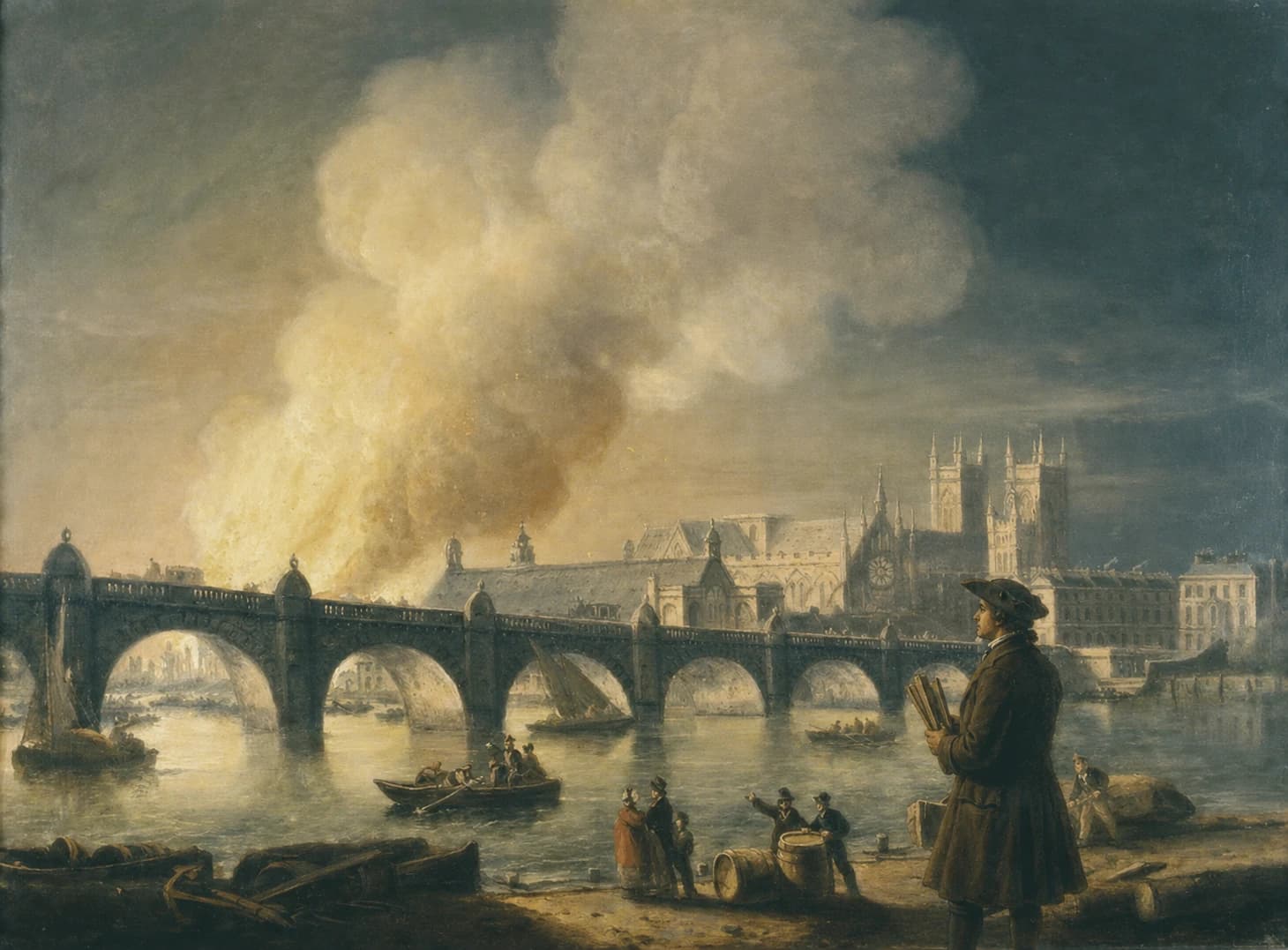
The oldest surviving lesson in memory begins with a collapsed roof. According to Cicero's De Oratore, Simonides of Ceos escaped a banquet moments before disaster struck, leaving the guests beyond recognition. He identified every victim by mentally rebuilding the dining hall, walking from seat to seat through an imagined landscape where every place still held a face. From that moment grew the method of loci, the memory palace, and centuries of ancient mnemonics that quietly demonstrated a recurring truth about the history of memory techniques: people rarely remember isolated facts, but they remember places filled with images. Long before the cognitive revolution, civilization had discovered that ideas become sturdier when given both a location and a picture.
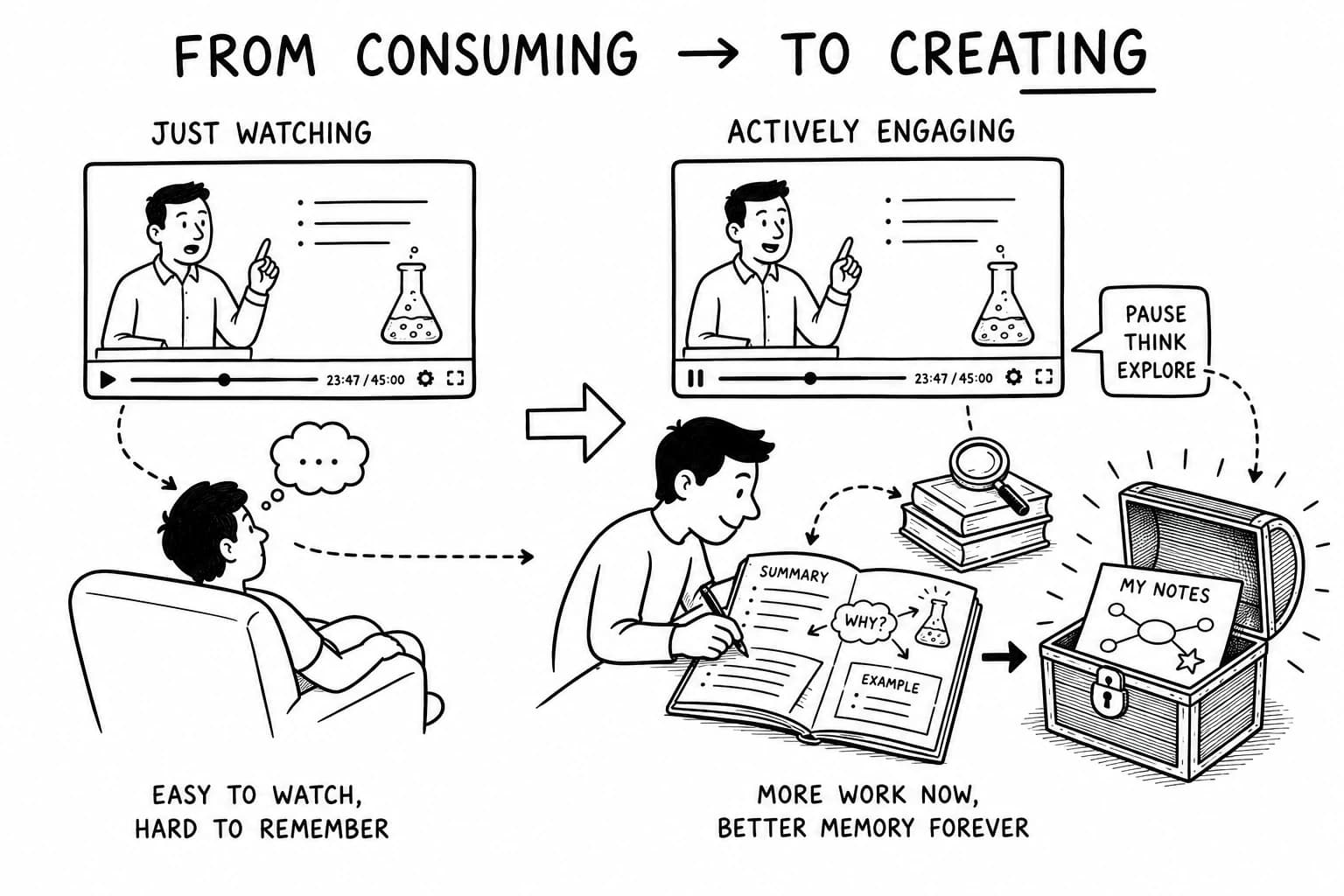
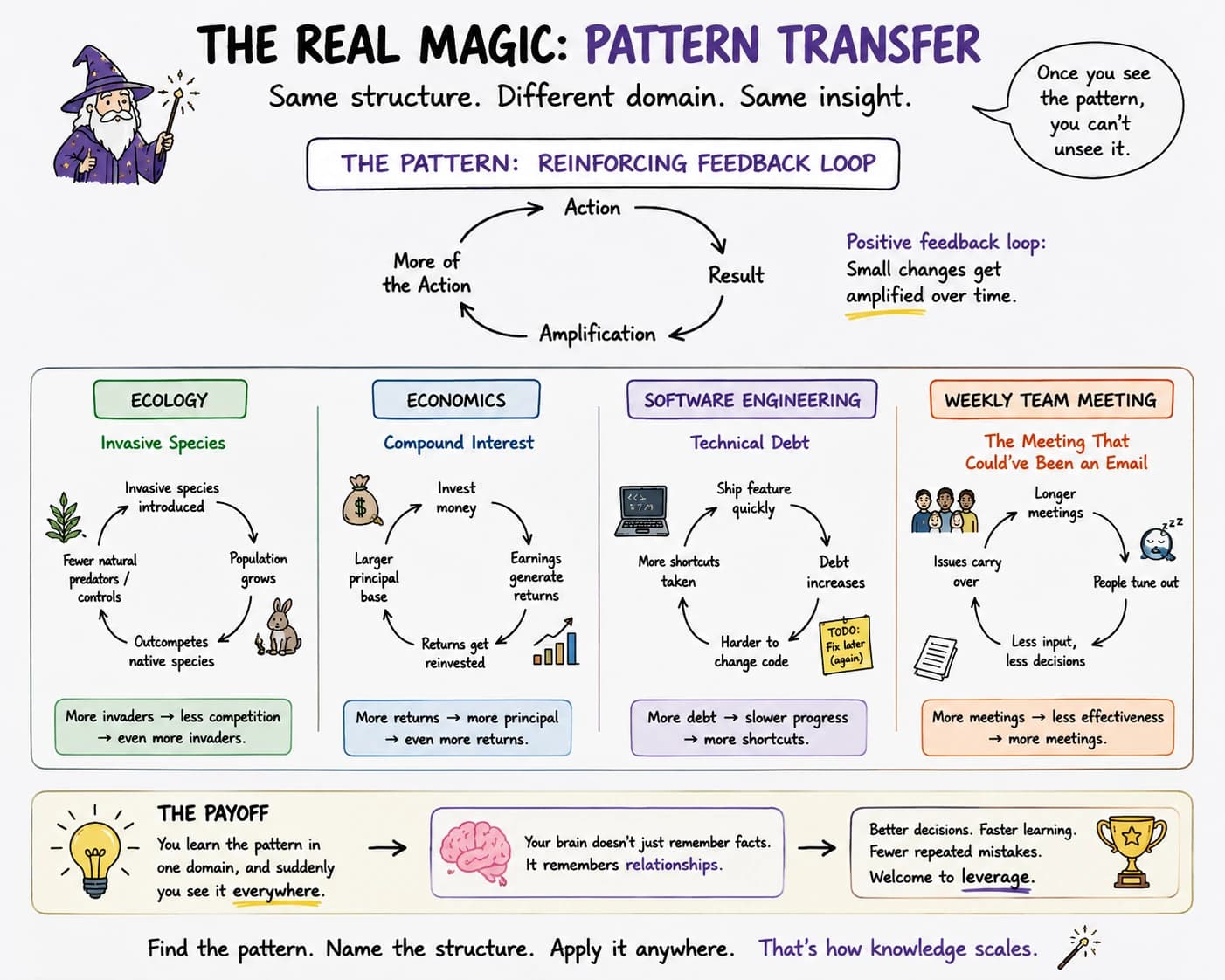
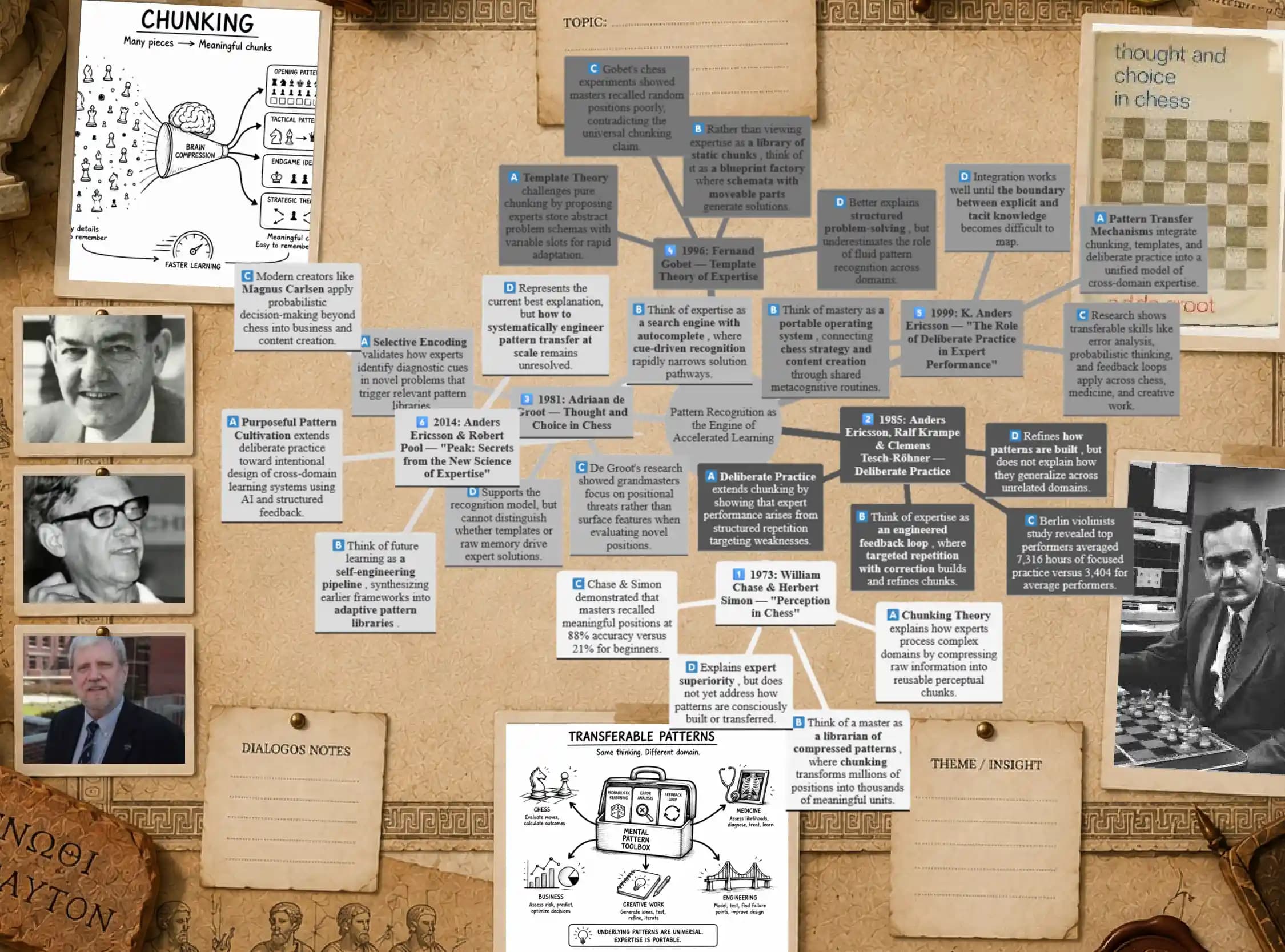
In 1971, Allan Paivio finally supplied the blueprint hidden inside that ancient palace. In Imagery and Verbal Processes, later expanded in Mental Representations (1986), he proposed Dual Coding Theory—a two-channel model built on dual representational systems. A verbal system stores verbal processing and verbal codes; a nonverbal system stores mental imagery, visual-spatial processing, and image codes. Through representational processing, referential processing, and associative processing, these interacting mental representations create dual memory traces during memory encoding. The result explains why dual coding improves memory: every idea gains two routes back instead of one. That insight transformed dual coding in cognitive psychology, dual coding in education, and modern multimodal learning, while later theories—from Richard Mayer's Cognitive Theory of Multimedia Learning (CTML) to Cognitive Load Theory—extended the architecture. Dual coding vs multimedia learning becomes a distinction between representation and instruction: Paivio explained how the mind stores knowledge; Mayer explained how teachers should present it.
What This Guide Covers
-
Definition and Core Principles of Dual Coding Theory — Return to Simonides' banquet hall, where every guest occupies two places at once: one in language, the other in imagery. This section introduces Dual Coding Theory, the dual coding meaning, and Allan Paivio's two-channel model, explaining how verbal and nonverbal systems interact through mental representations, memory encoding, and dual memory traces. By following the banquet from spoken names to remembered faces, we uncover why dual coding improves memory, how it shapes multimodal learning, and why it remains central to dual coding in education and cognitive psychology.
-
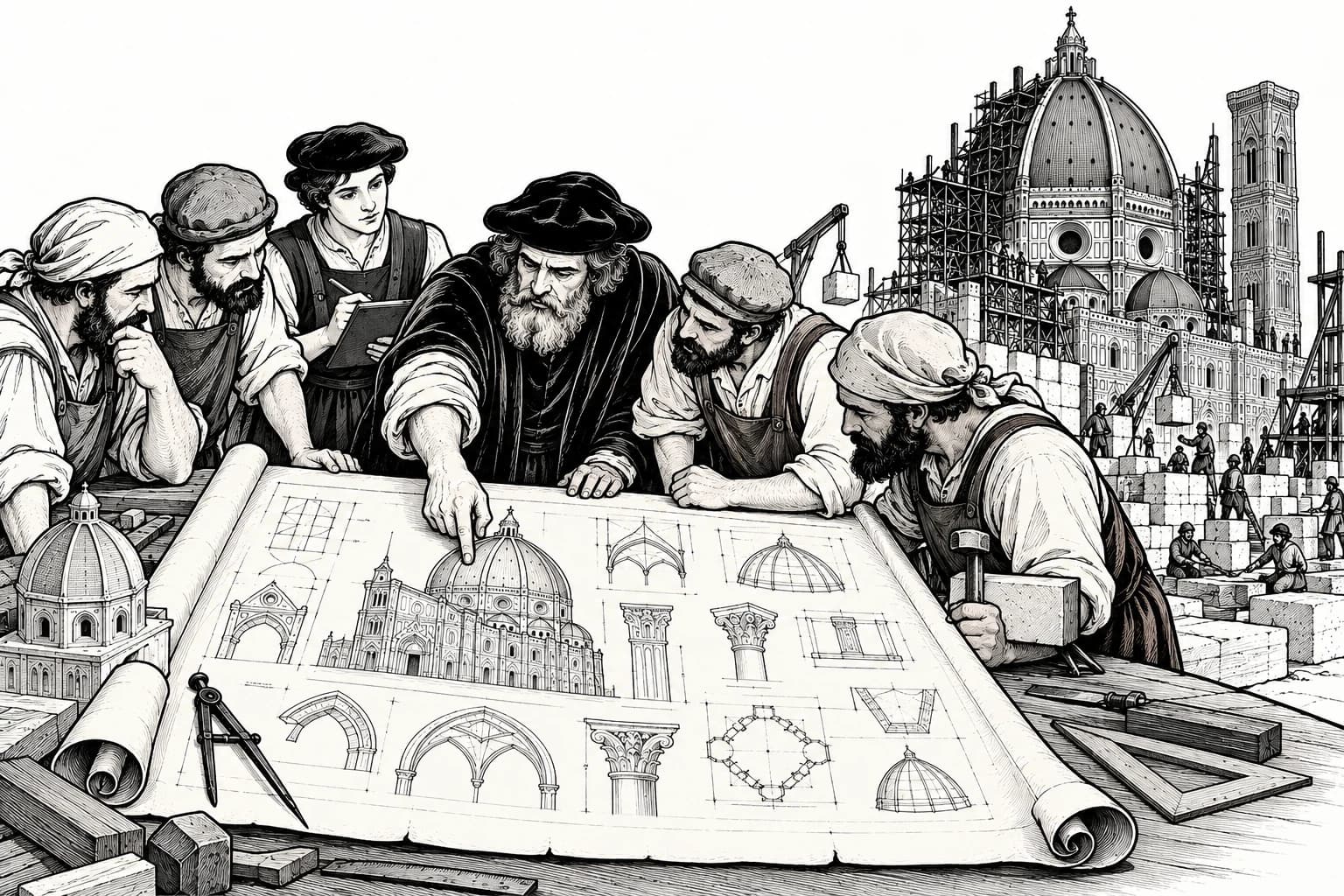
Dual Coding Theory, Working Memory and Cognitive Load — Medieval cathedrals survived because each generation added flying buttresses instead of rebuilding the foundations. Modern learning science followed the same habit. Beginning with Paivio's original framework, this section traces how Richard Mayer's Cognitive Theory of Multimedia Learning (CTML), Baddeley's Working Memory Model, and John Sweller's Cognitive Load Theory expanded it. Along the way, we examine the phonological loop, visuospatial sketchpad, working memory, and the design principles of split-attention, modality, coherence, contiguity, and redundancy, showing where these theories overlap, where they differ, and why they work best together.
-
Paivio's Two Systems and the Architecture of Dual Coding — Imagine a Renaissance workshop where scribes and painters share the same commission. One captures ideas through words, the other through images, yet neither finishes the manuscript alone. Here we explore Paivio's two interacting representational systems, the relationship between verbal and visual representations, mental imagery, referential and associative connections, parallel processing, cross-modal activation, semantic processing, and the network of memory pathways that allows a single idea to exist in more than one form at once.
-
The Mechanism of Dual Coding: From Encoding to Retrieval — Every Roman road was designed with the expectation that one bridge might fail, so the empire built another route home. Memory follows the same quiet engineering. This section follows information from encoding through memory consolidation to retrieval, explaining how retrieval cues, encoding specificity, cue-dependent retrieval, recognition versus recall, associative memory, elaborative encoding, and retrieval practice create multiple pathways back to the same idea, making knowledge easier to recover long after the original lesson has faded.
-
Research, Picture Superiority, Criticisms and Modern Learning Design — Scientific theories resemble old cities that never stop rebuilding themselves. Some streets widen, others disappear, while the oldest foundations remain beneath every renovation. We follow the evidence from the Picture Superiority Effect and landmark experiments by Shepard, Paivio, and Standing, through the famous imagery debate led by Zenon Pylyshyn and competing theories of representation, before arriving at modern instructional design. The journey concludes by examining Complementarity vs Redundancy, visual-verbal integration, educational graphics, and Cognitive Load Theory, separating the findings that have endured from the questions that researchers continue to debate.
Year Research Key Concepts Ancient Greece Simonides of Ceos develops the Method of Loci, later preserved by Cicero in De Oratore. Memory palace, ancient mnemonics, history of memory techniques, dual coding historical origins, spatial memory, mental imagery, visual association, retrieval through location. 1967 Roger Shepard demonstrates the remarkable durability of pictorial memory. Picture Superiority Effect, picture superiority research, picture superiority experiments, recognition memory, recognition tasks, image superiority, visual recognition memory, long-term memory, visual encoding, memory accuracy. 1968 Brooks uses interference experiments to distinguish verbal and visual processing. Verbal processing, visual-spatial processing, parallel processing, imagery system, language processing, working memory, interference evidence for separate cognitive channels. 1968 Paivio, Rogers & Smythe compare pictures with words in free recall. Concrete words, imageability, free recall, episodic memory, concreteness effect, verbal codes, image codes, verbal versus pictorial memory. 1969 Allan Paivio presents the first evidence for separate representational systems. Mental representations, dual representational systems, verbal system, nonverbal system, representational processing, foundations of Dual Coding Theory. 1971 Imagery and Verbal Processes formally introduces Dual Coding Theory. Dual Coding Theory definition, dual coding meaning, what is dual coding theory, two-channel model, verbal processing, imagery system, memory encoding, dual memory traces, referential processing, associative processing, multimodal learning, dual coding in cognitive psychology. 1973 Paivio & Csapo experimentally confirm pictorial superiority. Picture Superiority Effect, visual learning, recognition vs recall, distinctiveness effect, memory reinforcement, learning mechanism, dual coding examples. 1973 Standing demonstrates recognition of 10,000 images. Massive visual memory, recognition memory, long-term memory, image superiority, visual encoding, limits of human memory reconsidered. 1973 Zenon Pylyshyn launches the imagery debate. Criticisms of Dual Coding, mental imagery controversy, propositional theory, representation debate, single-code theories, philosophical versus empirical objections. 1973 Anderson & Bower propose an alternative representational model. Semantic coding, common coding theory, single-code theories, propositional representations, alternative explanations for picture superiority. 1976 Nelson, Reed & Walling control for depth of processing. Picture superiority beyond attention, semantic processing, recognition memory, episodic encoding, evidence against novelty explanations. 1982 te Linde questions whether pictures possess privileged semantic access. Sensory semantics, representation debate, limitations of imagery theory, alternative explanations for picture superiority. 1986 Mental Representations expands Paivio's theory. Conceptual encoding, representation integration, cross-modal activation, referential connections, associative connections, memory pathways, bidirectional retrieval cues, interaction between verbal and imagery systems. 1991 Clark & Paivio extend Dual Coding Theory into instructional design. Dual coding in education, development of multimedia learning, visual-verbal integration, instructional design, educational psychology, learning sciences. 1991–1992 Mayer & Anderson investigate integrated multimedia instruction. Contiguity principle, visual explanations, structural information, meaningful redundancy, integrated words and graphics. 1994 Mayer & Sims study coordinated verbal and visual instruction. Multimedia learning, verbal-visual interaction, cross-modal retrieval, evidence supporting coordinated dual-channel learning. 1997 Richard Mayer begins developing the Cognitive Theory of Multimedia Learning (CTML). Dual Coding vs CTML, development of multimedia learning, constructivism, integrating Dual Coding Theory with Cognitive Load Theory. 1998 Mayer & Moreno investigate multimedia design principles. Split-attention effect, modality principle, instructional efficiency, extraneous cognitive load, coordinated multimedia presentation. 2001–2009 Multimedia Learning matures into a comprehensive instructional framework. Cognitive Theory of Multimedia Learning (CTML), coherence principle, redundancy principle, segmenting principle, signaling principle, contiguity principle, Complementarity vs Redundancy, educational graphics, non-redundant visuals, instructional design. 2002 Amrhein, McDaniel & Waddill revisit semantic access through pictures. Semantic coding, common coding theory, empirical challenges to privileged pictorial representations. 2003–2016 Clark & Mayer – E-Learning and the Science of Instruction translates theory into practice. Instructional design, instructional efficiency, visual reinforcement, content duplication, evidence-based multimedia design. 2004 Sadoski & Paivio apply the theory to literacy and education. Reading comprehension, dual coding in education, conceptual encoding, elaborative encoding, educational psychology applications. 1988–Present John Sweller develops Cognitive Load Theory alongside multimedia research. Intrinsic cognitive load, extraneous cognitive load, germane cognitive load, working memory limitations, schema acquisition, schema automation, element interactivity, mental effort, Paas Cognitive Load Scale, NASA-TLX, learning efficiency, dual coding vs Cognitive Load Theory. Current Neuroimaging, meta-analyses, systematic reviews, and AI-assisted learning research. Neuroscience evidence, brain imaging studies, replication studies, systematic reviews, effect sizes, educational psychology evidence, visual memory, multisensory learning, dual coding vs embodied cognition, dual coding vs distributed cognition, AI-generated mind maps, modern multimedia learning.
How Dual Coding Works: From Encoding to Retrieval
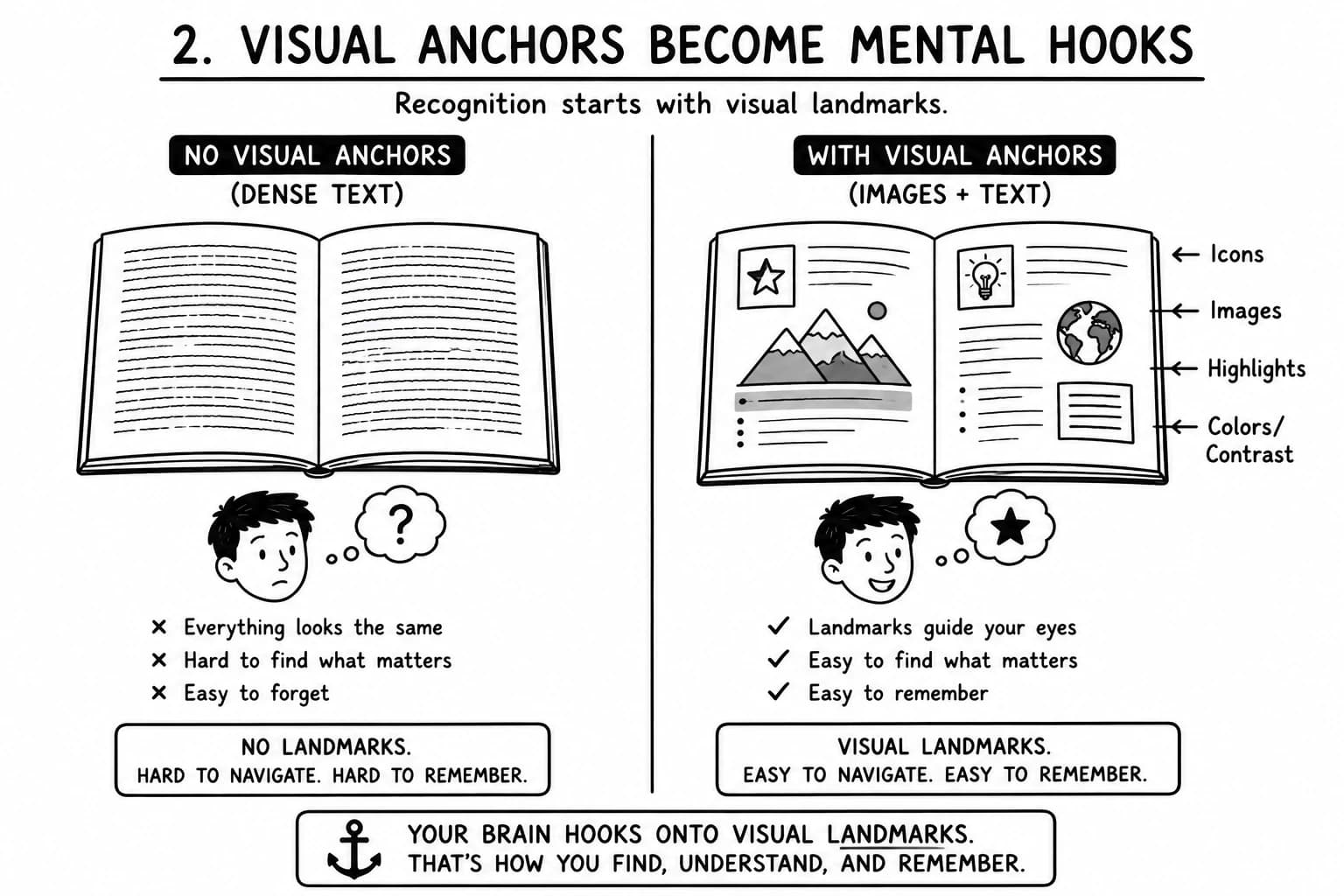
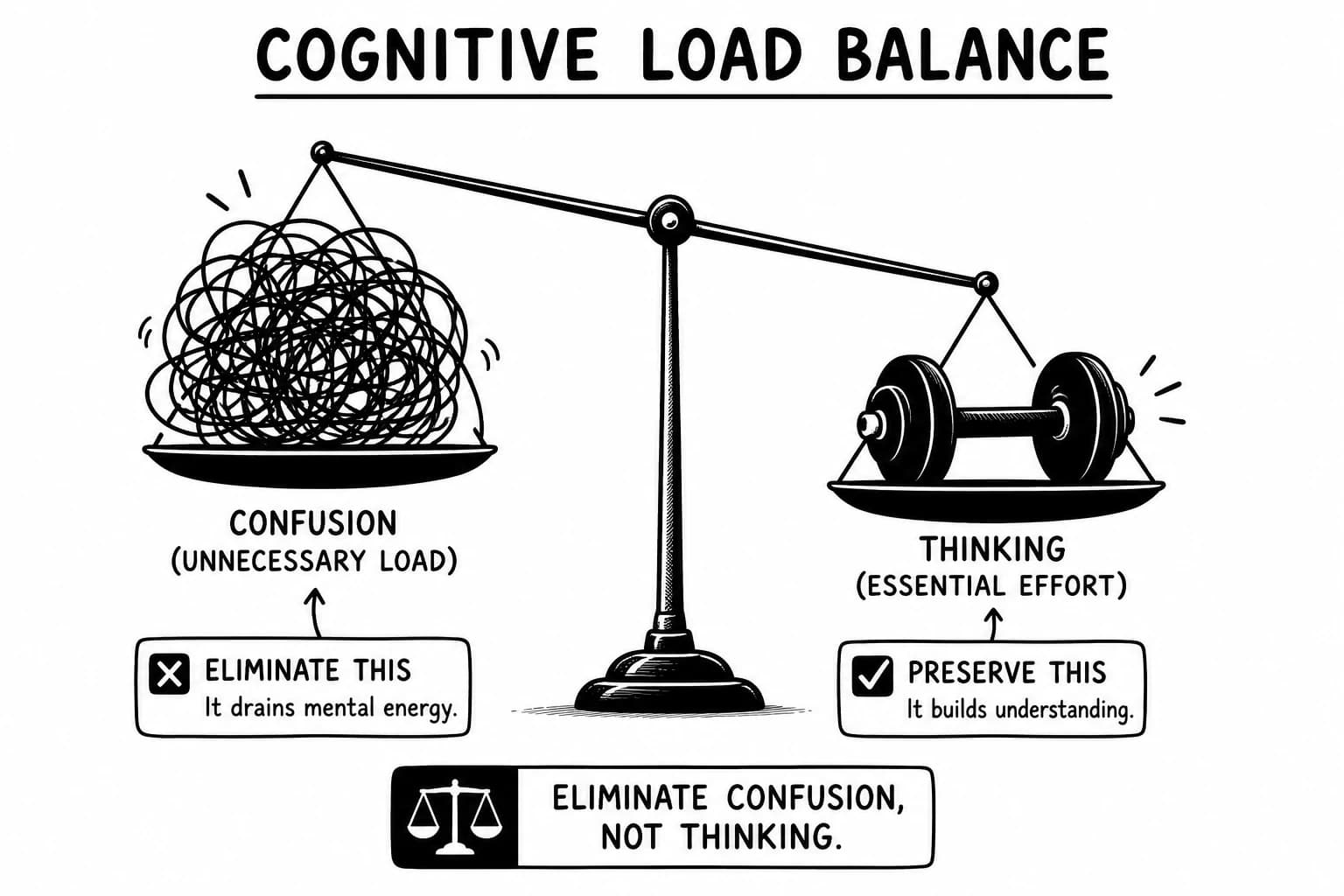
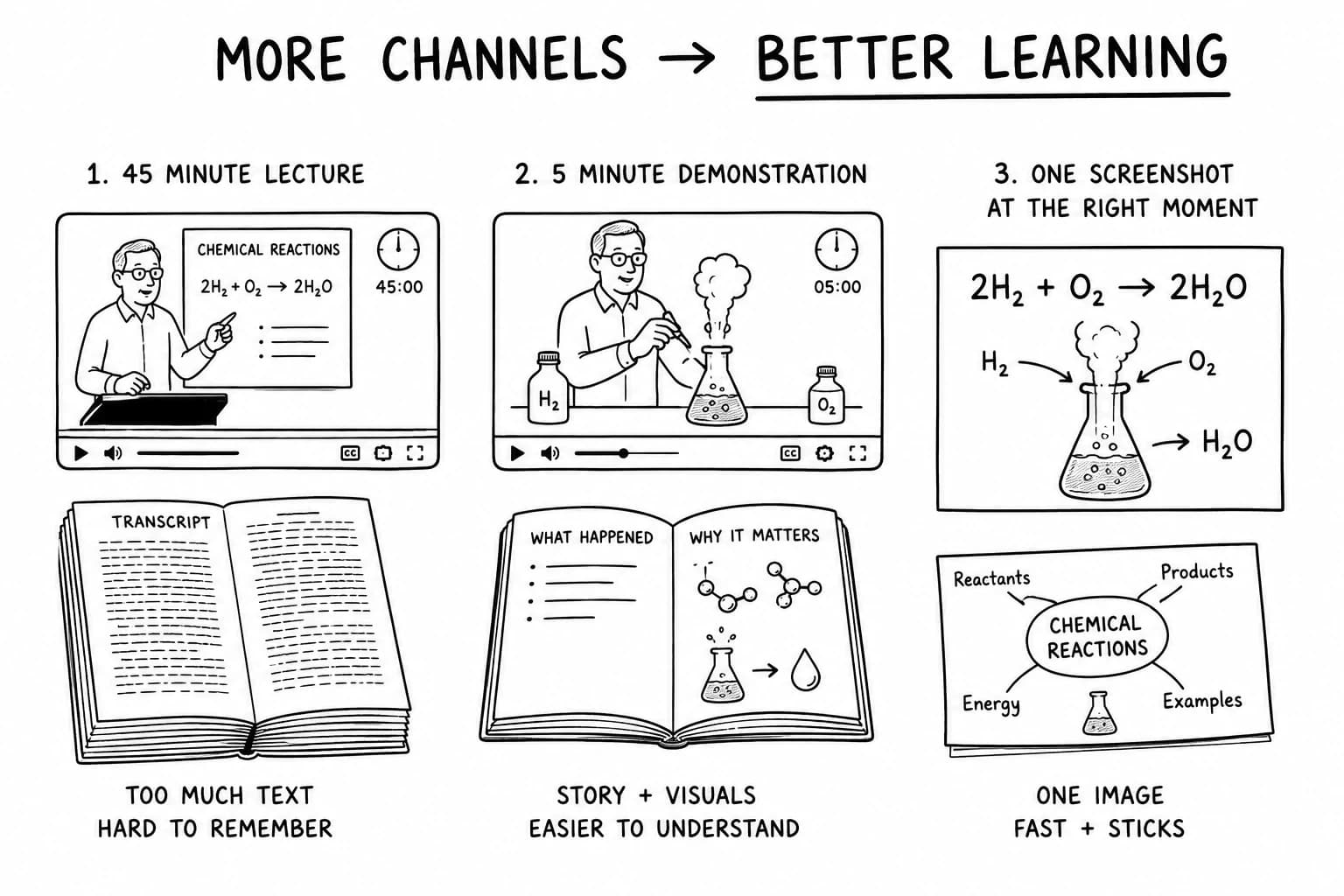
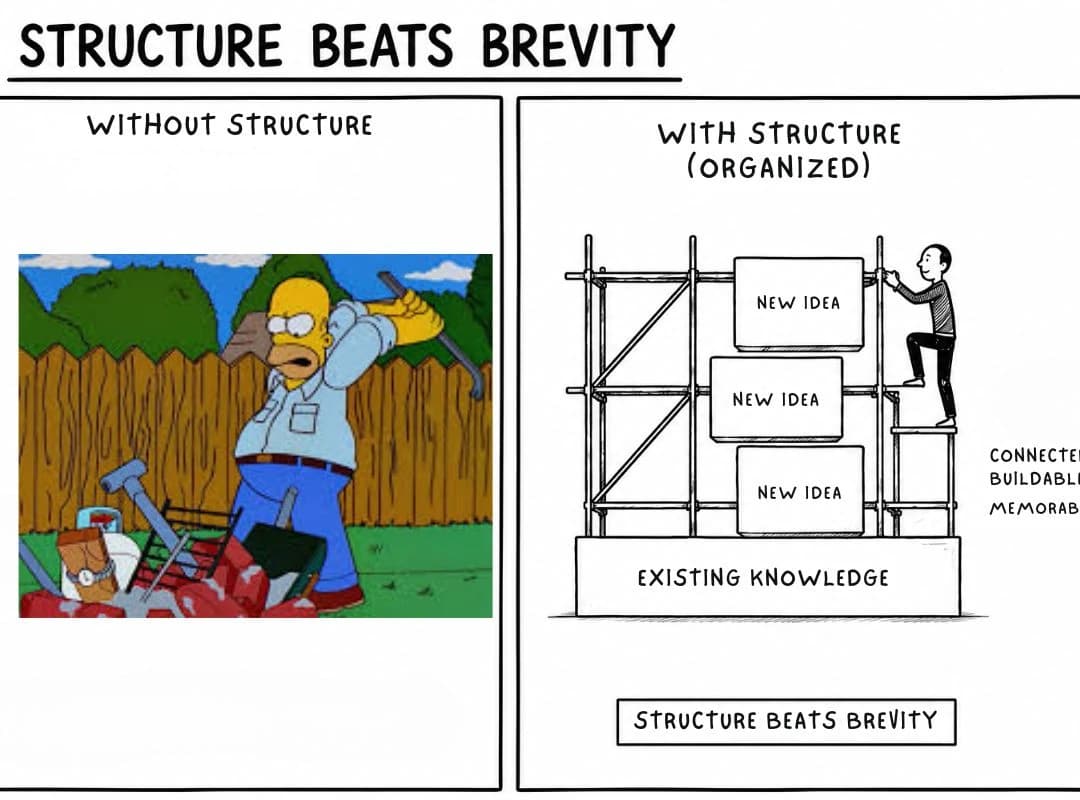
A medieval city rarely trusted a single gate, and memory shows the same architectural caution. Dual Coding Theory begins with separate encoding as the verbal system captures summaries, terminology, and explanations while the nonverbal system maps mental imagery, spatial relationships, hierarchy, and visual structure. Referential connections then weave bridges between the two, so a phrase in the text and its matching node in a mind map become reciprocal retrieval cues. Through memory encoding, every concept acquires dual memory traces, allowing recognition, recall, and memory consolidation to travel along more than one path when forgetting blocks the first. The greatest advantage comes from complementarity rather than duplication: visuals excel at knowledge organization, conceptual understanding, relational learning, and structural relationships, while words preserve definitions, causality, and sequence, together producing meaningful learning, deep learning, stronger learning transfer, higher recall, improved recognition, better retention, long-term retention, and instructional effectiveness that neither representation achieves alone. The balance remains delicate. Mayer's redundancy principle shows that unnecessary repetition can increase extraneous cognitive load, while split-attention forces learners to stitch separated information together, the modality principle preserves visual capacity by shifting language into narration, and the coherence principle quietly removes decorative distractions. Like every successful city, an effective lesson grows by adding well-placed roads instead of building the same road twice, turning multimedia education, visual literacy, and evidence-based learning into an exercise in thoughtful expansion.
Historical Evidence: Dual Coding, Visual Learning and AI-Generated Diagrams
Does Dual Coding Actually Work? Effect Sizes, Meta-Analyses and Classroom Evidence
In 2006, University of Sydney educational psychologist Paul Ginns published a meta-analysis of 50 experimental effects involving 2,375 learners, comparing instructional materials that integrated related information with materials that separated it spatially or temporally. Integrated presentations produced a large average learning advantage (d = 0.85, 95% CI 0.68–1.02), particularly for complex materials, although substantial variation indicated that instructional conditions matter.
| Audience / Industry / Use Case | Research Finding → Your Next Rep |
|---|---|
| University instructional designers | Across 50 effects, integrated presentations produced an average advantage of d = 0.85. Multimedia learning, spatial contiguity and verbal-visual integration reduce the need to mentally connect separated information; compare integrated diagrams with distant labels using comprehension and transfer questions. |
| Secondary-school science teachers | The meta-analysis supported both spatial and temporal contiguity, demonstrating the value of coordinating related instructional elements. Apply dual coding, temporal contiguity and signaling when explaining scientific processes; assess whether students can explain the relationships depicted. |
| Educational technology researchers | Significant heterogeneity (Q = 117.77, df = 49, p < .001) indicated that the average benefit varied across experimental conditions. Examine effect sizes, element interactivity and cognitive load separately across lesson types, and report whether benefits persist on delayed tests. |
Why Do My Visual Notes Fail? Common Dual Coding Mistakes That Cause Overload
In 2015, educational researchers Robert W. Danielson, Neil H. Schwartz and Marie Lippmann conducted two experiments involving 266 participants, comparing expository text accompanied by strongly corresponding, weakly corresponding or no metaphorical graphics. Strong conceptual correspondence helped preserve learning over a one-week delay and improved learning in the online experiment, demonstrating that a visual's explanatory relationship matters more than simply illustrating the words in a sentence.
| Audience / Industry / Use Case | Research Finding → Your Next Rep |
|---|---|
| Educational content creators and visual storytellers | Strongly corresponding graphics helped preserve learning after one week, demonstrating the value of visual metaphors, semantic correspondence and retrieval cues. Instead of merely illustrating the word adaptation, show a chameleon before and after its surroundings change, making the transformation itself the memorable relationship; compare delayed explanations against a literal illustration. |
| Instructional designers and AI diagram creators | In the online experiment, metaphorical correspondence mediated the learning benefit of accompanying graphics. Use conceptual mapping, dual coding and visual-verbal integration: a bridge made of labeled planks can represent sequential prerequisites when every plank has a clear role in reaching the other side. Assess whether learners can explain the dependency without the picture. |
| Students creating visual notes and mind maps | In the laboratory experiment, graphics could appear unhelpful immediately yet preserve learning when their metaphorical correspondence was strong. Distinguish decorative illustrations from meaningful analogical representations by explaining what each visual element stands for, then test delayed recall without viewing the image. |
The chameleon and bridge are proposed design applications, not illustrations tested in the experiment. A useful visual metaphor communicates a process, dependency, contrast or causal relationship; a weak visual merely depicts objects mentioned in the accompanying text.
Source: Danielson, Schwartz and Lippmann (2015), Metaphorical graphics aid learning and memory.
What Are Dual Coding Best Practices for Diagrams, Slides and Mind Maps?
In 2006, educational psychologist Kirsten R. Butcher conducted two experiments comparing text-only explanations of the human circulatory system with text accompanied by simplified or detailed diagrams. Both diagram types supported mental-model development, while simplified diagrams produced stronger factual learning and more effective information integration.
| Audience / Industry / Use Case | Research Finding → Your Next Rep |
|---|---|
| Medical educators designing anatomy lessons | Both simplified and detailed heart diagrams supported mental-model development, while simplified diagrams produced stronger factual learning. Use labeled representations that foreground important structures and relationships; assess both anatomical recall and explanations of circulatory function. |
| University presentation designers | Protocol analyses indicated that diagrams supported inference generation and reduced comprehension errors during circulatory-system learning. Combine visual-verbal integration, signaling and conceptual clarity in instructional slides, then assess whether students can explain relationships that the text leaves implicit. |
| AI mind-map and diagram designers | Simplified diagrams most strongly supported information integration, demonstrating the value of selecting task-relevant details. Apply information hierarchy, coherence and moderate visual complexity to generated diagrams; compare conceptual understanding against more detailed versions. |
A useful design rule is to preserve the relationships needed for reasoning while removing detail that does not help explain them.
Is Dual Coding Better Than Retrieval Practice, Spaced Repetition or Mind Mapping?
Dual coding, retrieval practice, spaced repetition and mind mapping address different learning bottlenecks. Dual coding enriches how information is represented, retrieval practice strengthens independent recall, spaced repetition supports retention over time, and mind mapping organizes relationships; their advantages are complementary.
| Method | Advantages | Disadvantages | How to Combine |
|---|---|---|---|
| Dual coding | Complementary words and visuals help learners understand structures, processes and concrete examples. Integrated representations can reduce the effort required to connect related information. | Decorative, redundant or poorly aligned visuals can increase cognitive load; recognizing an image does not guarantee unaided recall. | Study an annotated diagram, explain its relationships aloud, then hide and reconstruct it. |
| Retrieval practice | Recalling information without looking strengthens long-term retention and reveals gaps in understanding. Testing-effect experiments have demonstrated stronger delayed recall than repeated studying. | Initially feels harder than rereading; incorrect retrieval needs corrective feedback, and factual questions alone may not establish transfer. | Redraw diagrams or rebuild concept maps from memory, check the original and correct errors. |
| Spaced repetition | Revisiting material across distributed sessions supports retention over longer intervals. Research syntheses demonstrate benefits across learning materials and retention periods. | Poorly designed flashcards can reinforce isolated facts; a review schedule does not guarantee conceptual understanding. | Space out diagram reconstruction, self-explanation and problem-solving instead of repeatedly viewing the same image. |
| Mind mapping | Makes hierarchies, conceptual relationships and knowledge gaps visible; can support meaningful organization and review. | Incorrect links can reinforce misconceptions, elaborate maps can become difficult to navigate, and viewing a map is not necessarily retrieval practice. | Construct a small map after studying, reconstruct its relationships without assistance and revisit it at increasing intervals. |
Combined workflow: Encode → Organize → Retrieve → Space.
Use dual coding to understand the material, mind mapping to organize its relationships, retrieval practice to reconstruct it without assistance and spaced repetition to revisit it over time. This is an evidence-informed combination, not a claim that all four methods have been directly compared in a single experiment.
Who Benefits Most From Dual Coding? How Prior Knowledge, Working Memory, Motivation and Study Time Affect Learning
Dual-coding benefits depend on the learner and the instructional conditions. Research on expertise reversal, distracting illustrations and picture memory demonstrates why a diagram can help one learner while burdening another; motivation and available study time also affect whether learners engage with and successfully process the material.
| Factor | Effect on Dual-Coding Gains | Practical Adjustment and Success Measure |
|---|---|---|
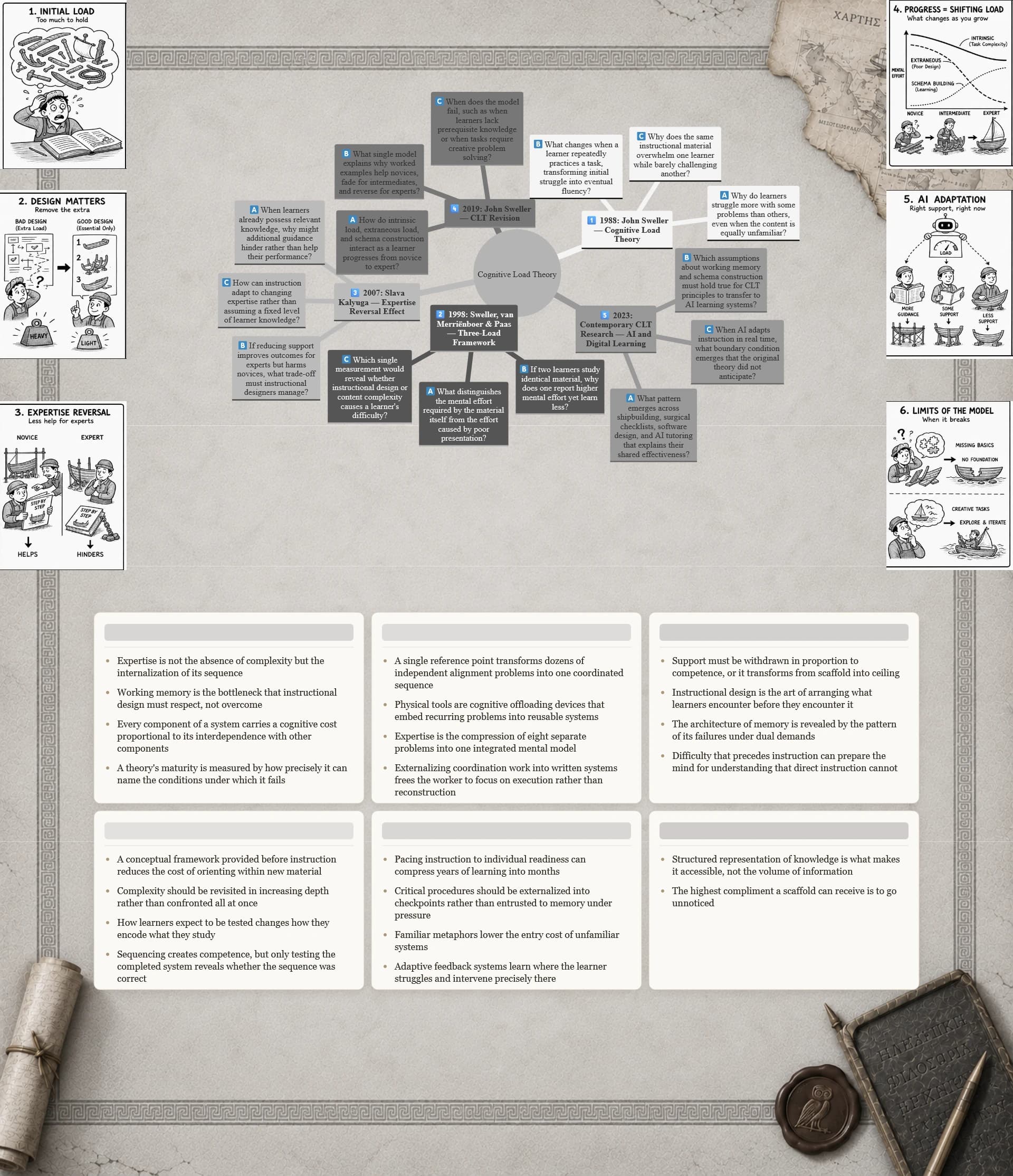
| Prior knowledge | Novices may benefit from explicit labels, worked examples and prerequisite explanations, while advanced learners can find the same guidance redundant. This is the expertise reversal effect: support that helps beginners can become unnecessary as schemas develop. | Pretest prerequisite knowledge; provide labeled diagrams for beginners and progressively fade explanations as expertise develops. Compare comprehension and independent problem-solving at each level. |
| Working memory capacity | Complex diagrams require learners to coordinate visual elements with verbal explanations. Learners with lower working-memory capacity can be especially vulnerable to irrelevant illustrations, split attention and extraneous cognitive load. | Segment complicated diagrams, remove decorative elements and position essential labels near the structures they describe. Measure comprehension, inference accuracy and perceived cognitive load. |
| Motivation | Motivation may increase willingness to inspect diagrams, explain relationships and persist through difficult material, but engagement alone does not establish a dual-coding benefit. Attractive visuals can also capture attention without improving understanding. | Use relevant problems and meaningful visual metaphors; evaluate whether engagement produces better explanations and delayed recall. |
| Study time and processing limits | Learners need sufficient time to interpret and integrate verbal and visual information. Picture-memory experiments have shown that high visual similarity can eliminate picture superiority at slower presentation rates and reverse it at faster rates. | Allow self-paced inspection of complex diagrams, then introduce timed retrieval once concepts are understood. Compare accuracy under self-paced and time-constrained conditions. |
The strongest directly demonstrated effects here concern expertise, working-memory demands and presentation conditions. Motivation should be treated as a factor to measure rather than an established explanation for every difference in dual-coding gains.
What Is the Picture Superiority Effect and Why Does It Improve Memory?
In 1976, psychologist Douglas L. Nelson and colleagues Valerie S. Reed and John R. Walling conducted experiments manipulating picture similarity, conceptual category and presentation speed during paired-associate learning. Pictures generally supported stronger memory than verbal labels, but visually similar pictures lost that advantage at slower presentation rates and performed worse at faster rates.
| Audience / Industry / Use Case | Research Finding → Your Next Rep |
|---|---|
| Language-learning and vocabulary educators | Pictures generally supported stronger recognition than verbal labels, demonstrating picture superiority and the usefulness of visual encoding for concrete concepts. Pair vocabulary with distinguishable illustrations, then assess both picture recognition and unaided word retrieval. |
| Medical educators teaching visual identification | Conceptual similarity produced comparable interference for pictures and words, indicating that semantic encoding, category interference and recognition memory remain important even with visual material. Include discrimination exercises that distinguish closely related anatomical structures. |
| Professional certification and visual-training designers | Highly similar pictures lost their memory advantage at slower presentation rates and performed worse than words at faster rates. This establishes a boundary involving imageability, visual distinctiveness and presentation time; compare recognition accuracy across visually similar and distinct instructional materials. |
Picture superiority is not a guarantee that any image will improve memory. The image must be distinguishable, meaningful and appropriate to the concept and presentation conditions.
Does Dual Coding Improve Understanding or Just Memory?
In 2006, educational psychologist Kirsten R. Butcher investigated learning about the heart and circulatory system through two experiments comparing text-only instruction with simplified and detailed diagrams. Both diagram types improved mental-model development, supported inference generation and reduced comprehension errors, while simplified diagrams were particularly effective for factual learning and information integration.
| Audience / Industry / Use Case | Research Finding → Your Next Rep |
|---|---|
| Medical students learning physiological systems | Both simplified and detailed diagrams supported more accurate mental models of the circulatory system. This connects dual coding, relational memory and conceptual understanding; assess whether students can explain how the heart's structures work together after studying integrated diagrams. |
| Secondary-school biology teachers | Diagram-supported learners generated more inferences and made fewer comprehension errors than text-only learners. This demonstrates how verbal-visual integration, inference generation and schema construction can support understanding; assess explanations of previously unstated relationships rather than relying exclusively on factual recall. |
| Educational technology researchers | Simplified diagrams most strongly supported information integration, revealing a relationship between representation quality, information selection and deep comprehension. Compare simplified and detailed diagrams using factual questions, causal explanations and unfamiliar application problems. |
The relevant outcome is whether the learner can explain how parts relate, infer what follows from those relationships and apply the model to a new problem.
Why Are Some Diagrams Easier to Learn From Than Others?
In 2003, educational psychologists Wolfgang Schnotz and Maria Bannert investigated how different combinations of text and pictures influence learners' construction of mental representations. Their experiments showed that visual representations can support mental-model construction but can also interfere with learning when their structure is poorly matched to the task.
| Audience / Industry / Use Case | Research Finding → Your Next Rep |
|---|---|
| University instructors teaching complex systems | Different external representations influenced how learners constructed internal mental models. This connects referential connections, visual-verbal integration and mental-model construction; select diagrams that represent the relationships students must subsequently explain. |
| Technical documentation designers | The research identified representational interference as a possible consequence of combining text and pictures. This highlights integration quality, cross-modality translation and semantic consistency; compare comprehension when diagram structure corresponds closely or poorly to written explanations. |
| AI diagram-generation teams | Adding visual representations changed how learners organized information, sometimes introducing interference. Apply representation quality, conceptual alignment and information architecture when generating diagrams, then assess whether users can reconstruct the intended relationships independently. |
A diagram should be judged by the mental model it helps the learner construct, not by its visual complexity or aesthetic appeal.
Do AI-Generated Diagrams and Mind Maps Improve Learning? What Makes a High-Quality Diagram?
In 2025, Renata Szydlak, Yavuz Selim Kiyak, Inga Hege, Dario Torre, Andrzej A. Kononowicz and colleagues compared GPT-generated clinical concept maps with clinician-generated maps across 20 virtual-patient scenarios. GPT identified more medical concepts, but concept precision ranged from 16% to 50% and connection precision from approximately 0% to 26%, demonstrating why diagram quality requires more than generating numerous nodes and links.
| Diagram-Quality Criterion | What a High-Quality AI Artifact Should Do | Learning Benefit and Evaluation |
|---|---|---|
| Abductive reasoning and hypothesis generation | Reveal observations, possible explanations, competing hypotheses and missing evidence. Distinguish confirmed relationships from speculative ones, and connect each proposed explanation to the observations it could account for. | Build an evidence-to-hypothesis map that helps learners identify plausible explanations and the evidence needed to distinguish them. Evaluate hypothesis quality, justification and performance on unfamiliar problems; these learning benefits remain proposed applications rather than established outcomes of the clinical-map comparison. |
| Meaningful visual metaphors | Represent a process, dependency, contrast or mechanism instead of illustrating individual words. A chameleon changing appearance across two environments communicates adaptation; a bridge whose labeled planks are necessary to cross communicates sequential prerequisites. | Ask learners to explain what each visual element represents, where the analogy works and where it breaks down. Compare conceptual explanations and delayed recall against literal illustrations. |
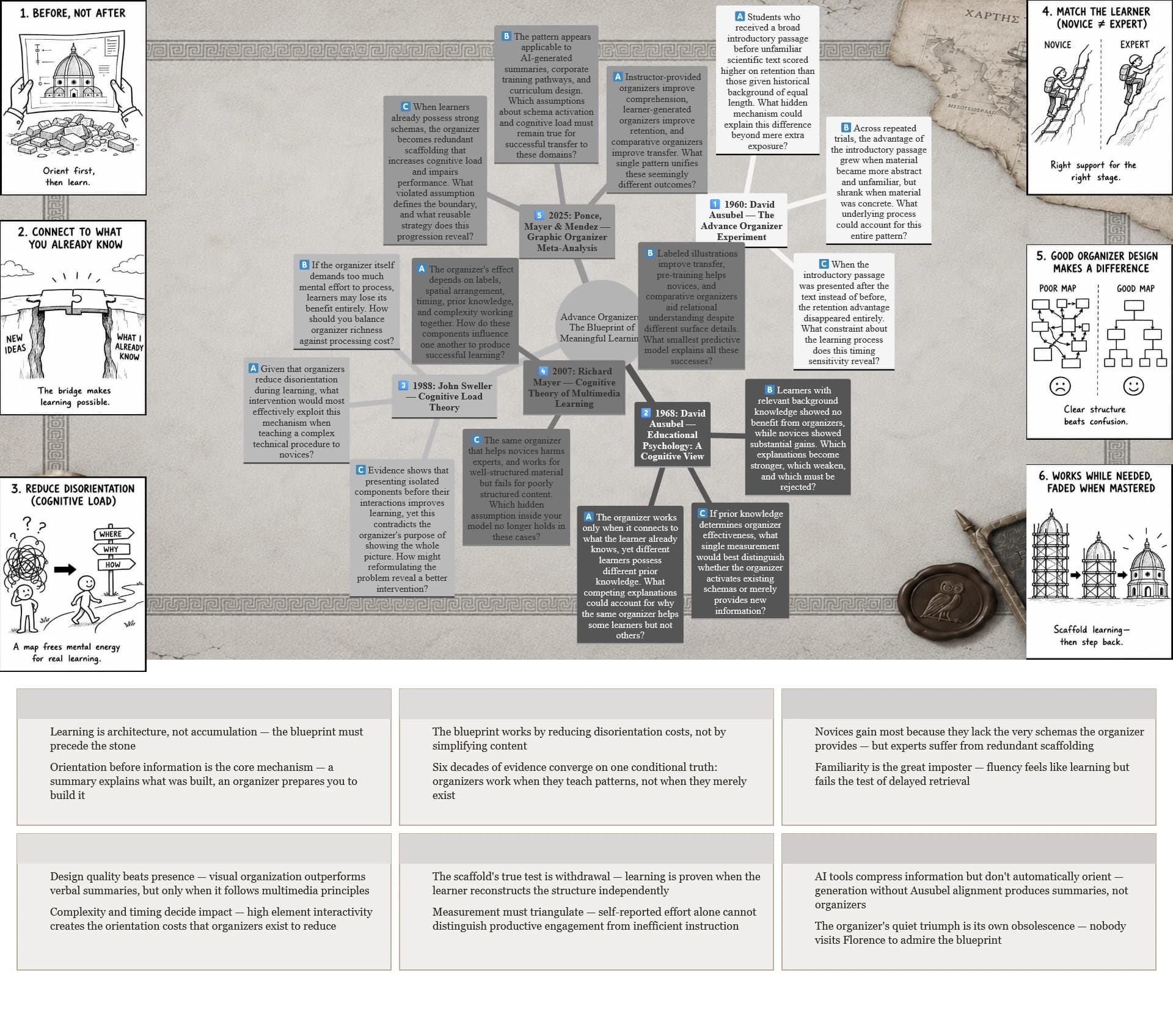
| Advance organizers and prerequisite structure | Present the central question, major concepts and prerequisite relationships before fine detail. Make the instructional sequence visible through a concise overview that can expand into a more detailed concept map or module graph. | Present the overview first, progressively reveal supporting details and assess whether learners can reconstruct the hierarchy and apply it to an unfamiliar problem without the organizer. |
| Accurate causal and semantic relationships | Distinguish causes from correlations, prerequisites from examples, and evidence from hypotheses; make important connections traceable to the original source. In the clinical-map comparison, connection precision was substantially lower than would be acceptable for unsupervised instructional use. | Audit nodes and edges against the source material. Measure factual accuracy, unsupported connections, conceptual errors and learners' ability to justify relationships. |
| Appropriate visual complexity | Include enough detail to support reasoning without overwhelming the central structure. The clinical-map study found that GPT generated more concepts than clinicians, but additional content did not establish agreement with expert representations. | Compare concise and detailed versions using comprehension, inference, cognitive-load and artifact-free transfer assessments. Every additional node should contribute to an important explanation or decision. |
A useful quality test is whether a learner can use the diagram to answer three questions:
- What is happening? Can the learner identify the important concepts and relationships?
- Why might it be happening? Can the learner generate and compare explanations?
- What would I need to know or test next? Can the learner identify missing evidence, competing hypotheses and the next reasoning step?
An AI-generated diagram that supports all three is doing more cognitive work than one that simply turns a paragraph into labeled pictures. Its accuracy, however, must still be checked against the source.
Applying Dual Coding Theory: From Classrooms to AI Learning Tools
Every generation inherits the same workshop and quietly replaces the tools. The slate became the blackboard, the blackboard became the projector, and today AI learning assistants, LLMs, and generative AI arrange ideas into AI summaries, AI mind maps, AI-generated diagrams, knowledge graphs, and semantic visualizations. The principle remains Paivio's. Dual coding in education succeeds when instructional design, lesson planning, curriculum design, and teacher strategies pair complementary representations instead of decorative duplicates. Effective visual note taking, graphic organizers, concept maps, mind maps, advance organizers, worked examples, and interactive diagrams allow structure to carry what prose cannot, while retrieval practice strengthens the links between both forms. The pattern scales naturally from science education, medical education, STEM learning, higher education, online learning, and corporate learning into modern AI-powered education, where multimodal AI, adaptive learning, interactive workspaces, AI instructional design, and AI educational content generation become useful only when the visual explains relationships that text alone leaves invisible. An AI concept map earns its place by revealing hierarchy, proximity, and dependency—not by illustrating sentences the reader has already understood.
History also teaches that every bridge carries a weight limit. Visual hierarchy, information architecture, diagram design, mind map design, concept map design, information visualization, instructional graphics, color coding, chunking, signaling, semantic grouping, node hierarchy, layout optimization, label placement, and the proximity principle help learners navigate complexity because they reduce unnecessary decisions. The same design rules explain the boundaries of Dual Coding Theory. Abstract concepts, poor visual design, decorative graphics, the seductive details effect, split attention, working memory overload, visual ambiguity, diagram overload, modality mismatch, and the expertise reversal effect can transform a helpful map into cognitive overload, particularly for novices or learners with different levels of visual literacy and spatial ability. Domains built upon structural relationships—including engineering, anatomy, chemistry, physics, biology, mathematics, language learning, history education, software documentation, technical communication, legal education, healthcare education, military training, aviation, geography, and professional certification—consistently benefit because diagrams reveal patterns that paragraphs struggle to preserve. The practical lesson is surprisingly old-fashioned: every new educational technology, whether parchment or retrieval-augmented learning, still succeeds or fails according to the quality of the representations it places before the learner.
How Do I Study With Dual Coding? A Simple Step-by-Step Workflow for Revision or Lesson Plans
In 2005, educational psychologists Roxana Moreno and Alfred Valdez experimentally compared college students learning the formation of lightning through words, pictures or combined representations, including conditions requiring students to organize the material themselves. Combined words and pictures achieved the highest instructional efficiency for retention and transfer, supporting a revision workflow that connects verbal explanations with meaningful visual structure.
| Audience / Industry / Use Case | Research Finding → Your Next Rep |
|---|---|
| GCSE and A-Level science students | Combining words and pictures was more instructionally efficient than either format alone for learning the causal sequence of lightning formation. Use dual coding, visual note-taking and working-memory management to extract one process, sketch its stages and attach concise explanatory labels; check whether the sequence can be recalled unaided. |
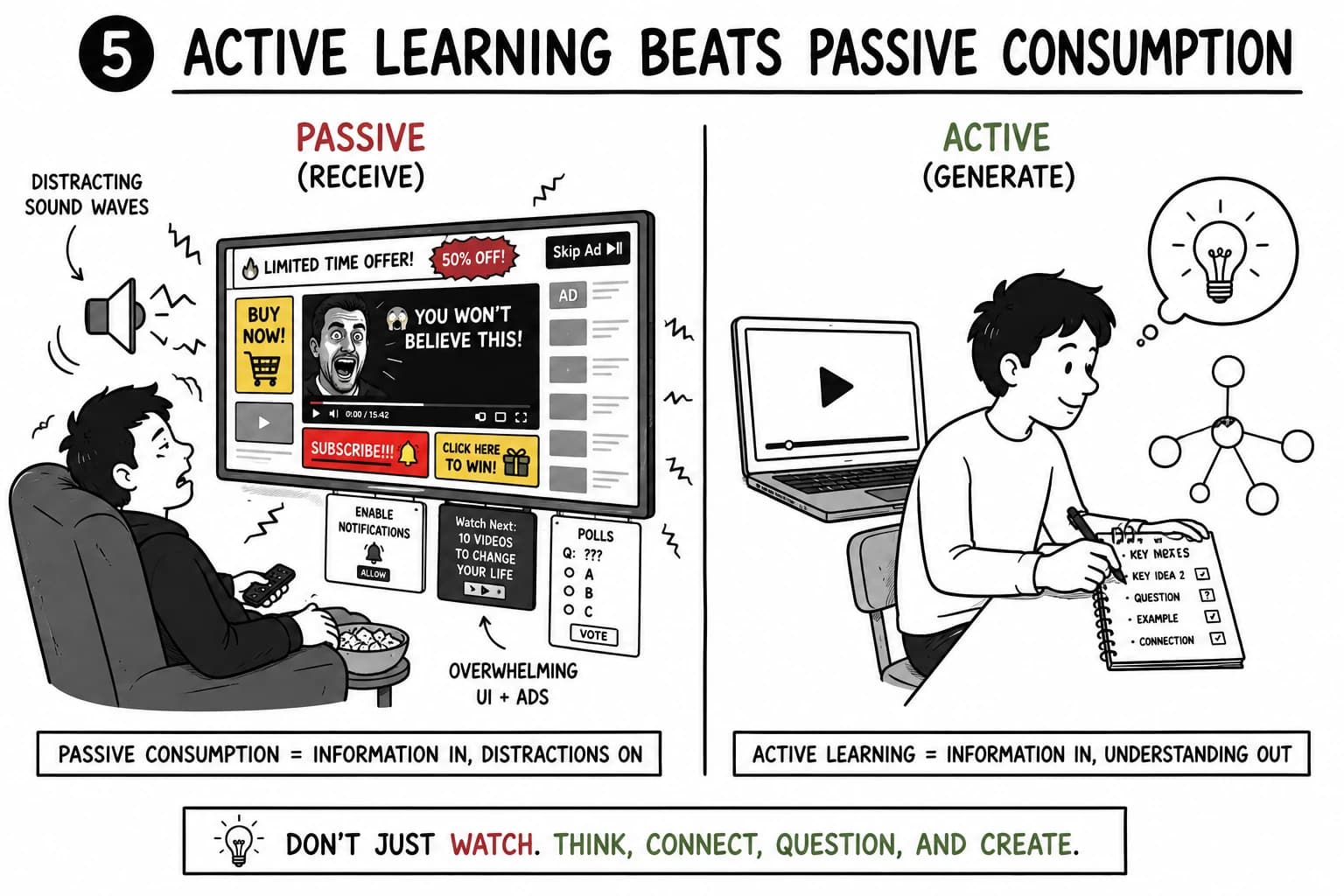
| University and engineering students | The experiments distinguished receiving an organized causal sequence from actively organizing its words and pictures, making generative learning, conceptual organization and verbal-visual integration relevant to revision. Turn a technical explanation into a labeled process diagram, then compare retention and transfer with ordinary rereading. |
| Medical students using visual flashcards | Combined representations achieved the highest instructional efficiency across retention and transfer measures, demonstrating the value of connecting complementary explanations. Convert a physiological process into labeled diagrams, retrieval cues and active recall questions; reconstruct the sequence without viewing the diagram before checking it. |
Which Subjects Benefit Most From Dual Coding? Biology to Programming Examples
In 2011, learning scientist Shaaron Ainsworth and science educators Vaughan Prain and Russell Tytler examined research and classroom examples of students constructing scientific representations, including diagrams of planetary motion and evaporation. Their work showed how drawing can support different scientific reasoning tasks, from observing and organizing information to explaining processes, but did not establish a universal ranking of school subjects by dual-coding benefit.
| Audience / Industry / Use Case | Research Finding → Your Next Rep |
|---|---|
| Biology, anatomy and medical education | The research identifies drawing as a way to translate observations into explanatory representations, such as sketches of structures observed under a microscope. Use scientific diagrams, knowledge chunking and verbal-visual translation to label structures and explain their functions; assess whether learners can redraw and explain the system without assistance. |
| Physics, chemistry and geography teachers | Classroom examples included students drawing planetary motion and constructing representations of evaporation, requiring them to express relationships that words alone can obscure. Combine spatial reasoning, causal diagrams and conceptual models; assess whether learners distinguish rotation from revolution or explain a process using their drawings. |
| Mathematics, programming and engineering instructors | The authors distinguish interpreting expert diagrams from constructing representations that express one's own understanding. Apply multiple representations, semantic processing and generative learning to worked examples, execution traces or dependency diagrams; assess whether learners can translate between symbolic explanations and visual models. |
The applications to programming and engineering extend the paper's science-education framework; they were not separate experimental conditions in this research.
Source: Ainsworth, Prain and Tytler (2011), Drawing to Learn in Science.
What Are the Best Dual Coding Apps for Notes, Flashcards and Mind Maps?
In 2025, UiT psychologist Magnus Ingebrigtsen and colleagues Åshild Odden Miland, Jarle Bastesen and Rannveig Grøm Sæle studied teacher-made digital flashcards in a nationwide quasi-experiment involving 799 first-year nursing students across 19 Norwegian campuses. Flashcard users achieved higher examination scores than non-users (d = 0.42), were nearly three times as likely to pass and more than twice as likely to receive the highest grade.
| Audience / Industry / Use Case | Research Finding → Your Next Rep |
|---|---|
| Nursing and medical students using Anki or RemNote | Flashcard users achieved higher final-exam scores than non-users (d = 0.42, p < .001), supporting digital flashcards, spaced retrieval and active recall. Convert labeled diagrams into image-based questions requiring unaided identification and explanation; measure performance on delayed examinations. |
| University instructors creating revision resources | Flashcard users were nearly three times as likely to pass (OR = 2.84) and more than twice as likely to achieve the highest grade (OR = 2.31). Provide teacher-verified retrieval cues, spaced repetition and visual revision materials; evaluate pass rates and examination performance against ordinary study resources. |
| Educational technology and learning-platform teams | Only approximately one-third of students offered the flashcards used them, highlighting an adoption barrier. Connect visual notes, mind maps and retrieval practice through a short workflow that converts important concepts into reviewable questions; track actual usage alongside delayed learning outcomes. |
For organizing and drawing, Obsidian, Notion, XMind, Miro, Excalidraw, Whimsical, Lucidchart and Canva offer different workflows. For scheduled retrieval, Anki and RemNote are relevant options. The study tested teacher-made digital flashcards, not a head-to-head comparison of these applications or a specifically visual flashcard intervention.
Can AI Do Dual Coding? ChatGPT, Claude, Gemini and NotebookLM Study Workflows
In research published online in 2025, Italian educational-technology researchers Daniele Schicchi, Carla Limongelli, Vito Monteleone and Davide Taibi compared ChatGPT-generated and teacher-created concept maps across six topics with 83 secondary-school students. The maps achieved broadly comparable question-answering performance, although results varied by topic and students identified differences in text density and organization, supporting AI-generated maps as editable starting points rather than verified replacements for expert instruction.
| Audience / Industry / Use Case | Research Finding → Your Next Rep |
|---|---|
| Secondary-school students using ChatGPT or Gemini | Students evaluated 12 maps covering six curriculum topics, with AI-generated maps receiving favorable structural evaluations. Use AI concept maps, knowledge hierarchies and semantic relationships to organize source material, but check missing concepts and misplaced nodes before studying; assess whether the resulting map supports accurate answers. |
| University students creating AI visual summaries | Teacher-created maps produced better question-answering results on three topics, while ChatGPT maps performed better on two; both approaches struggled with First World War questions. Treat AI-generated summaries, visual-verbal integration and source grounding as quality-dependent, then verify every important relationship and test comprehension without the map. |
| Teachers and AI learning-platform developers | Only 7.22% of students correctly identified all six AI-generated maps, while student comments frequently mentioned lengthy node text, completeness and layout. Evaluate AI diagram quality, cognitive load and human-in-the-loop validation by checking concise labels, meaningful relationships and factual accuracy. |
ChatGPT, Claude, Gemini and NotebookLM can be used to draft study materials, but this experiment evaluated ChatGPT 3.5-generated concept maps specifically. It did not measure delayed retention, memory consolidation or the comparative performance of those four products.
Conclusion: Two Codes, One Idea
When learners can explain an idea in words, sketch it from memory, recognize its structure, and apply it in unfamiliar situations, they have created representations that reinforce one another. Memory becomes more resilient because understanding becomes deeper.
Every additional representation fills another part of the map, creating new connections, richer retrieval routes, and a more complete understanding than any single representation could provide alone.